The Selous Game Reserve, in a remote corner of Tanzania, is known for its landscapes and its wildlife. It is one of the largest protected areas on the African continent, covering about 54,000 square kilometres, with open woodland, grassy plains and mountains supporting a wide range of species.
Selous is several times the size of the Serengeti and larger than South Africa’s Kruger National Park. It was made a UNESCO World Heritage site in 1982 for its wildlife and its wild, unbroken country.
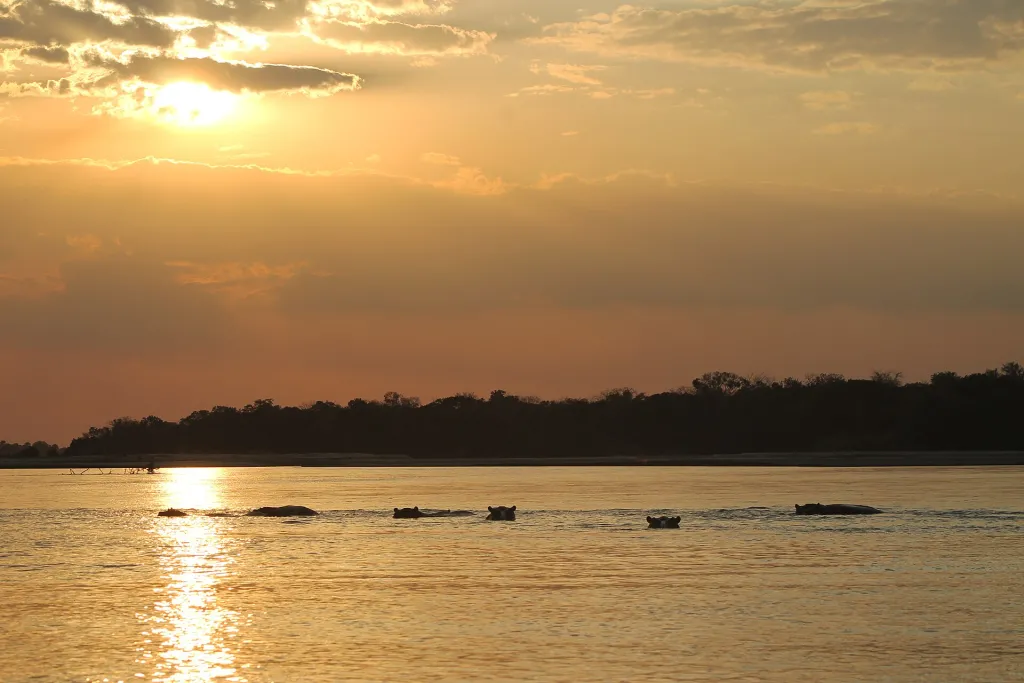
The vast Selous Game Reserve
It is one of the few large reserves that let you explore Tanzania’s landscape at length.
The Rufiji, the largest river in the country, divides the reserve into two main parts.
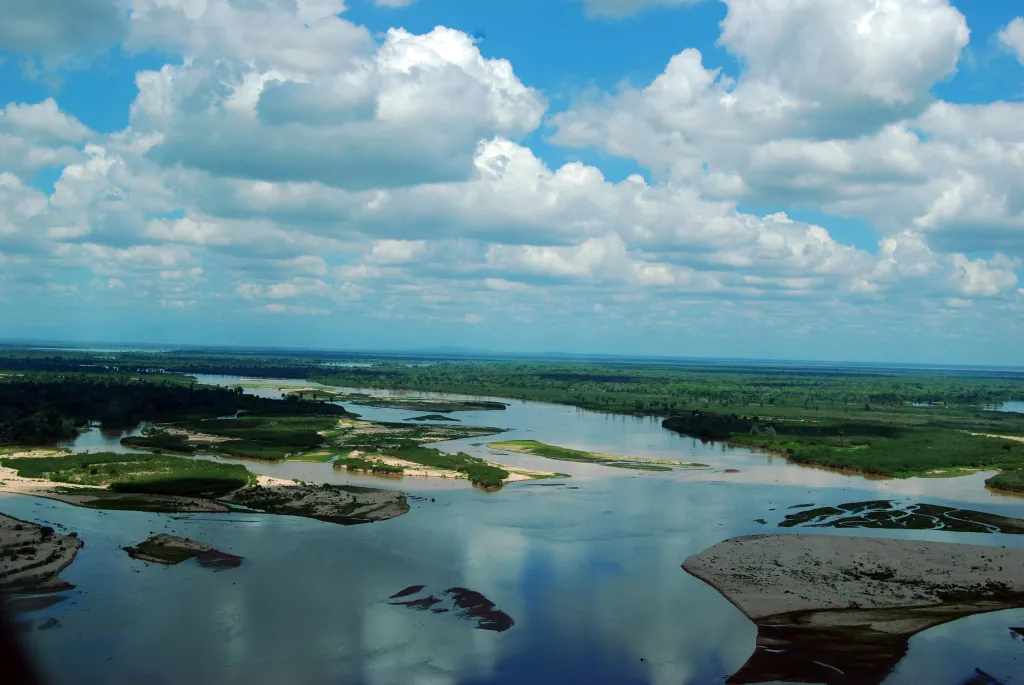
The beautiful Rufiji River
The most recommended area is the northern part of Selous, which is greener and a major water source for the reserve’s animals. The northern section is now called Nyerere National Park.
Safaris in Selous
Selous is one of the best places for a wildlife safari in Tanzania. The number and variety of animals make for excellent game drives, and its many lakes are good places to see wildlife gather at the water.
It also holds some species you do not often see elsewhere. There are around 100,000 wildebeest, 145,000 buffalo, 4,000 lions, 40,000 hippos, 35,000 zebra and 250,000 impala.
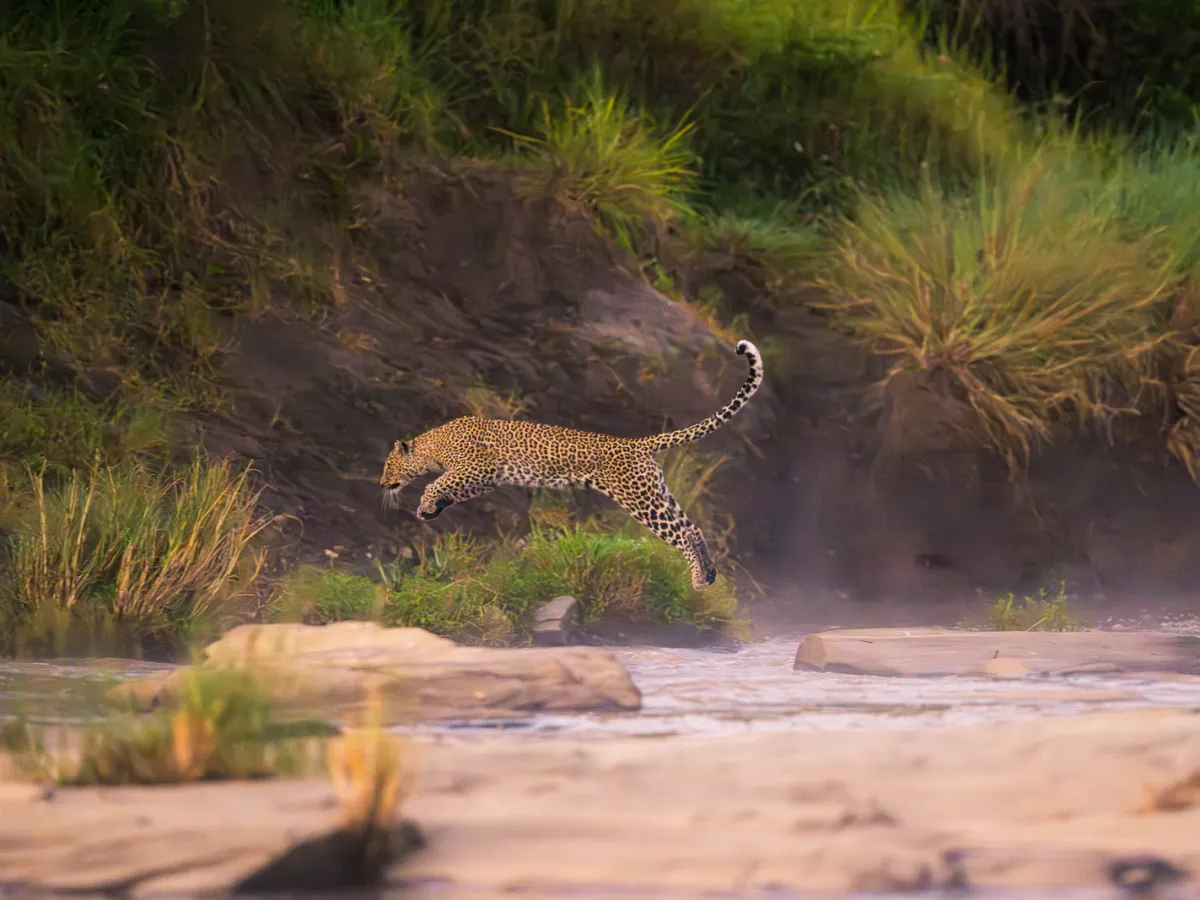
Along with leopards, hyenas, giraffes and crocodiles, you can see Lichtenstein’s hartebeest, waterbuck, bushbuck, greater kudu and eland.
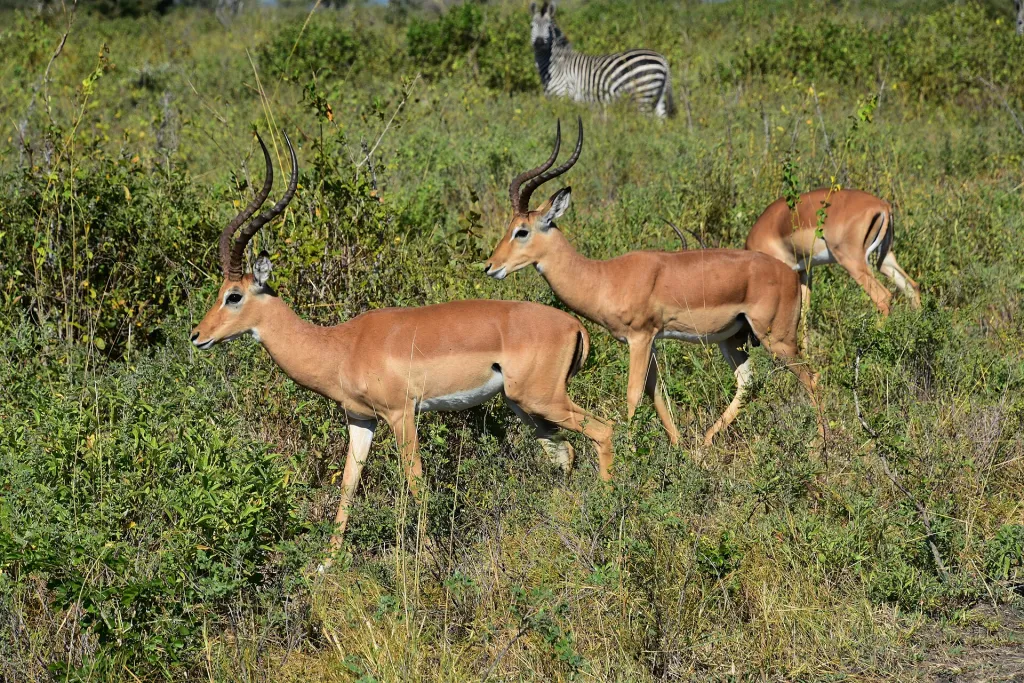
Impalas in Selous Game Reserve
In Nyerere National Park you may come across antelope such as sable and puku, the latter a localised wetland species. Black rhinos are rare, seen only in the remoter parts, and you may see the endangered wild dog when it is denning in an area open to visitors.
Selous once held a large elephant population, but poaching has cut it sharply. Even so, you may still meet them on a game drive.
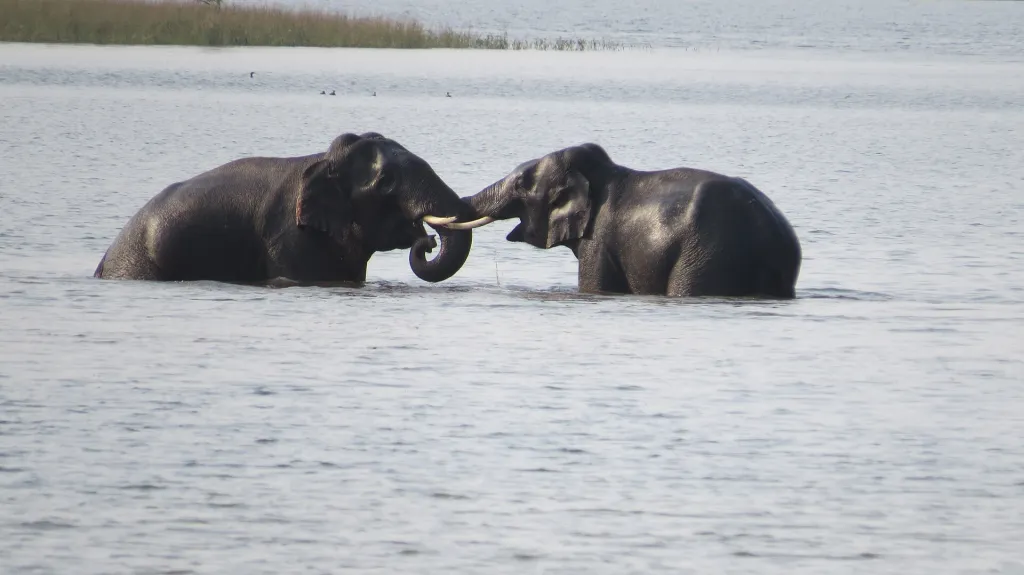
Elephants residing in the reserve
There are many birds across the reserve’s habitats, and waterbirds are common around the lakes.
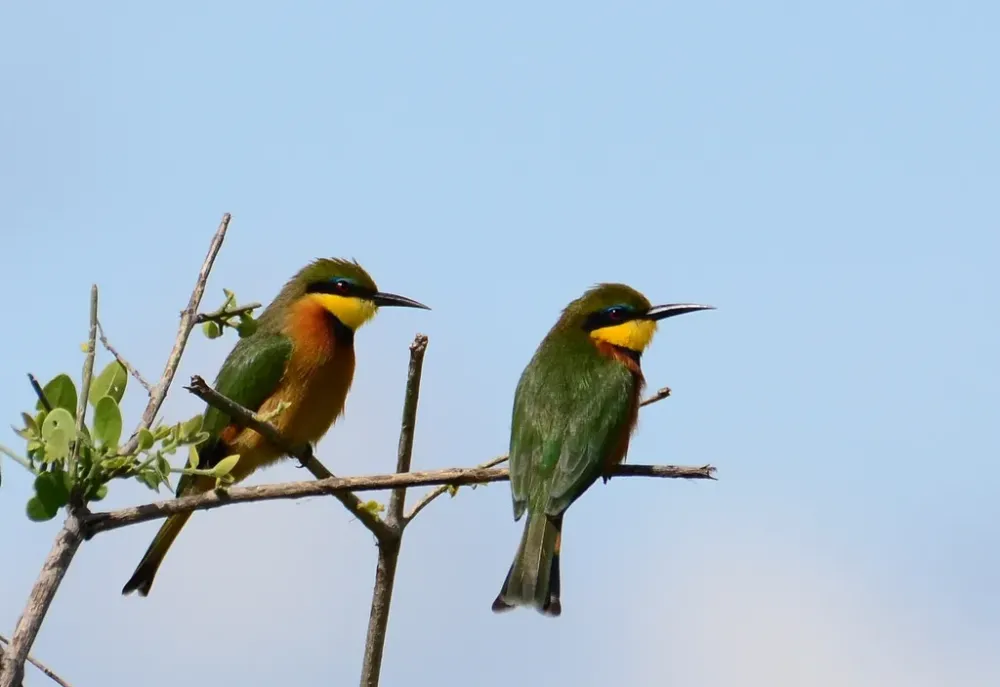
A Little Bee Eater perched upon a branch
How to enjoy a safari in Selous
Game viewing in Selous becomes more of an adventure when you try the range of activities on offer. Beyond the usual jeep safari, you can do the following.
1. Walking safaris
A walking safari is one of the best ways to explore the reserve. Selous runs them with experienced guides, bringing you closer to the Tanzanian wilderness than a vehicle can.
2. Boat safaris
The Rufiji, along with the lakes and channels, makes for excellent boat safaris. From the water you can watch hippos, giraffes coming down to drink, and crocodiles waiting for prey. At times you may even see a kill, as lions take antelope near the water.
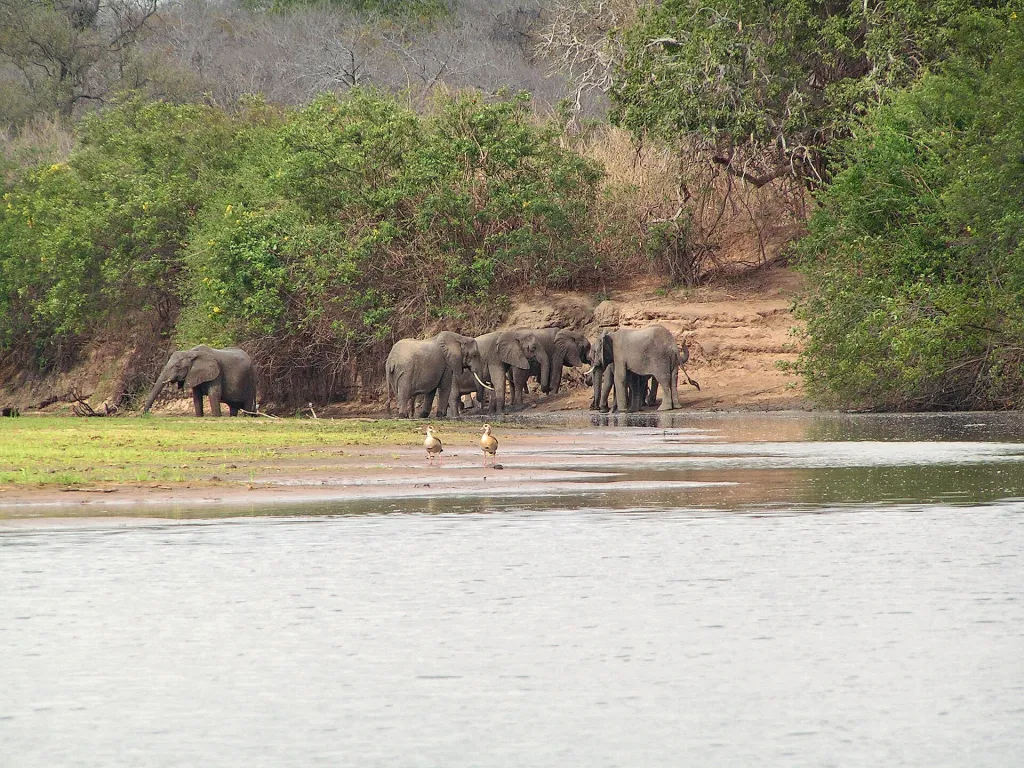
Elephants crossing the river
3. Fly-camping
On a fly-camping trip, small tents are set up in the bush, an adventurous way to look for wildlife. Sleeping out in the African wild at night is a real experience, though fly-camping is best suited to those happy to give up some comfort.
4. Hot-air balloon trips
A hot-air balloon is a fine way to see the park from above. Selous is one of the few places in Tanzania, along with the Serengeti, to offer balloon trips, and from the air you can watch the animals below.
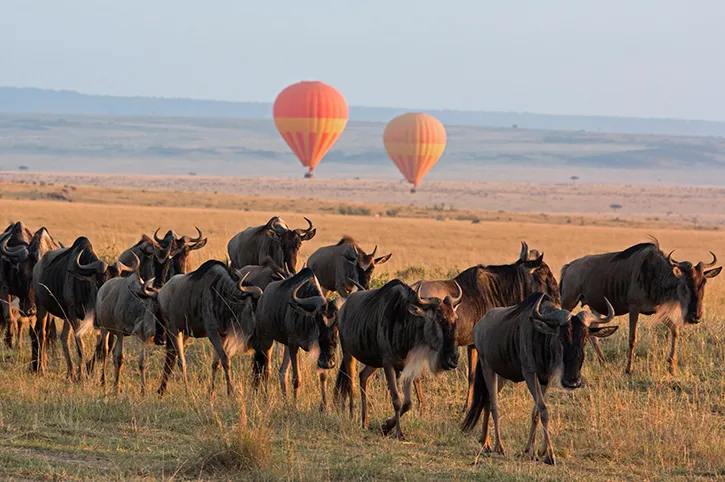
A hot air balloon flying over wildebeest
Where to stay in Selous
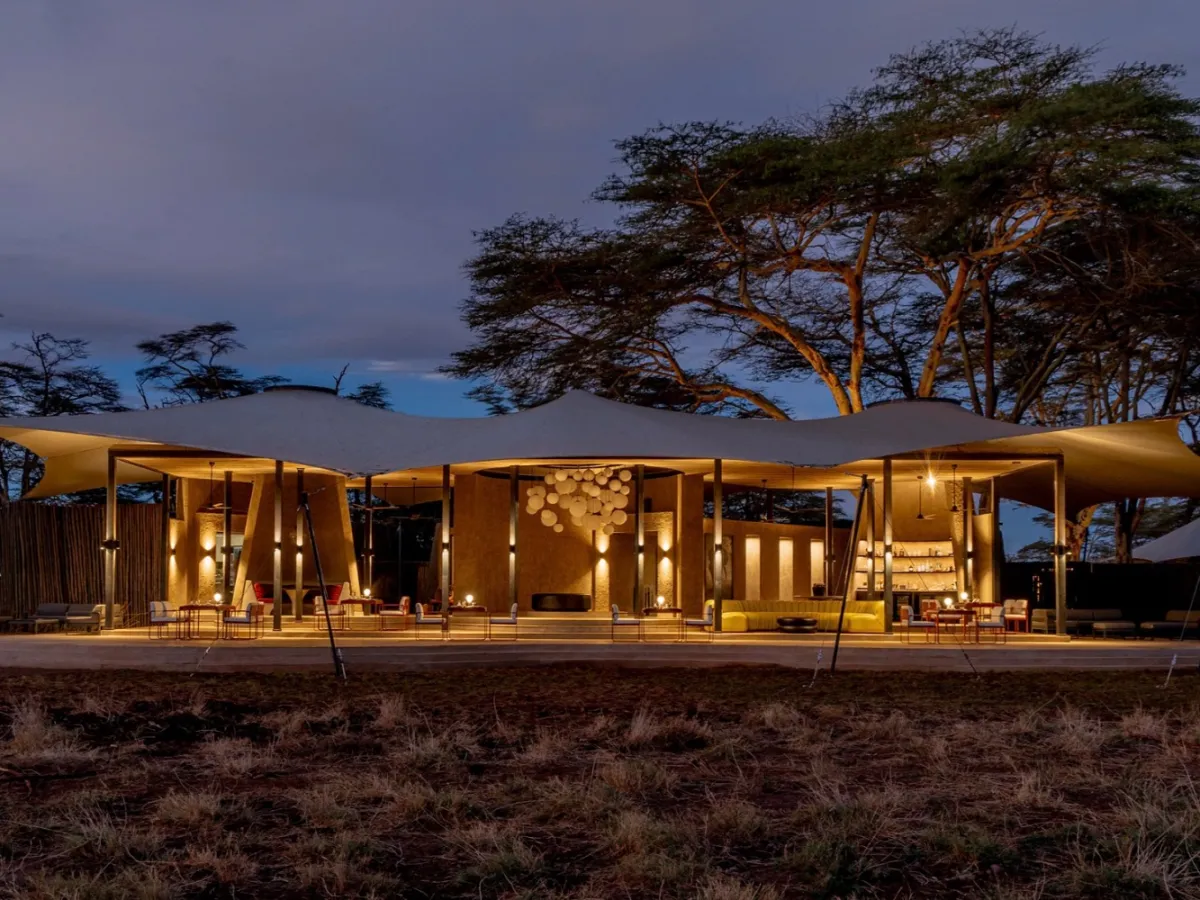
- Siwandu: one of the first safari camps in Selous, with comfortable accommodation and fine views over the reserve.
- Beho Beho: set in the cooler Selous Highlands, with eight permanent bandas, small cottages designed in an African style.
- Lake Manze Camp: 12 well-furnished tents near some of the best game-viewing areas, known for being exclusive and comfortable.
- Sable Mountain Lodge: in the north of Selous, with cottages and bandas raised on platforms for wide views over the surrounding country.
- Selous Impala Camp: known for its tents on a wooded stretch of the Rufiji River, with fine views of the reserve.
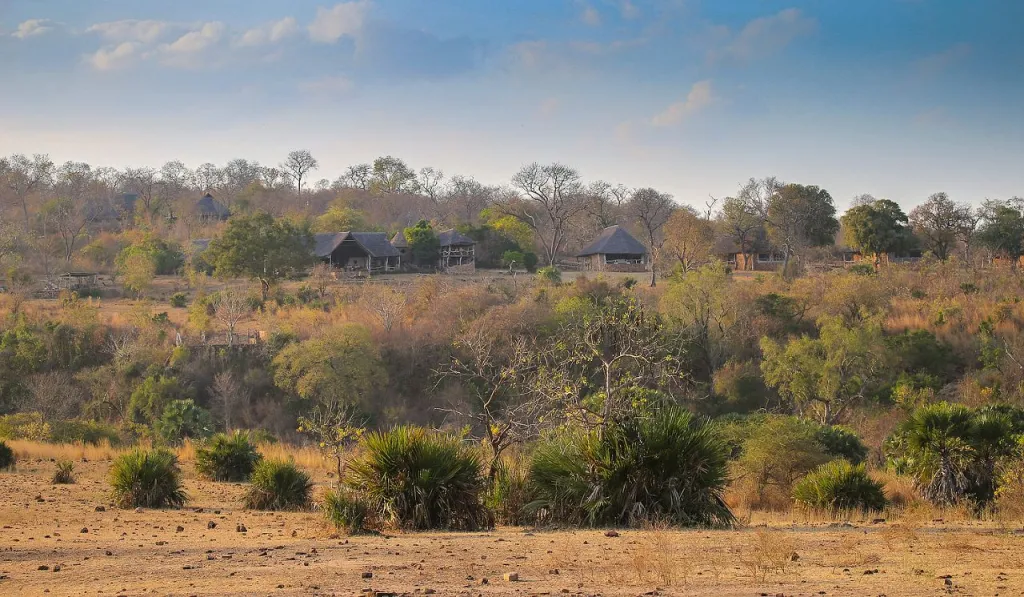
The views of Selous from Beho Beho camp
How to reach Selous
- By air: the reserve is reached from local airstrips linked to Ruaha and Dar es Salaam. From Ruaha the flight is about 90 minutes, from Dar es Salaam about 45.
- By car: the drive from Dar es Salaam takes up to four hours, covering about 220 kilometres.
- By rail: the TAZARA railway runs from Dar es Salaam towards Selous, a ride of about four hours through rural villages and wild country.
For wildlife viewing in Tanzania, Selous is one of the best places, and with its easy access and good choice of camps, it is not to be overlooked.
If you loved reading this story, then subscribe to our blog here (it will ask to verify your email) to get inspiring travel stories and trivia delivered to your email. Stories about wildlife trivia, cultural experiences, curated luxury hotel lists, underrated places to travel, polar journeys and much more.