Norway’s northern lights get all the attention, but their southern counterpart, the Aurora Australis, is just as fine. The southern lights deserve an audience too, and there are few better places to catch them than Tasmania.
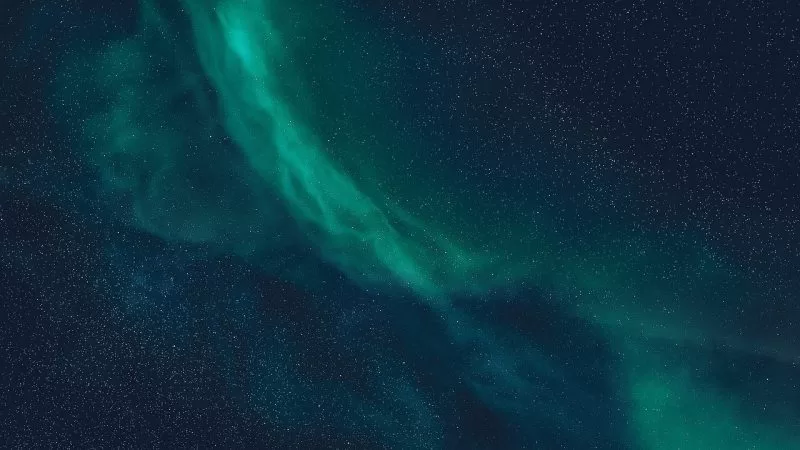
Tasmania is an island of unusual geology off the southern coast of Australia. Along with species found nowhere else, it is one of the best places to see the southern lights, which is part of why it has become such a favourite with travellers.
What are the southern lights?
The northern and southern lights have the same origin. An aurora forms when charged particles from the sun are carried along Earth’s magnetic field to the poles, where they strike gases in the atmosphere and make them glow.
The colours come from different gases: oxygen gives green and red, while nitrogen gives blue and purple.
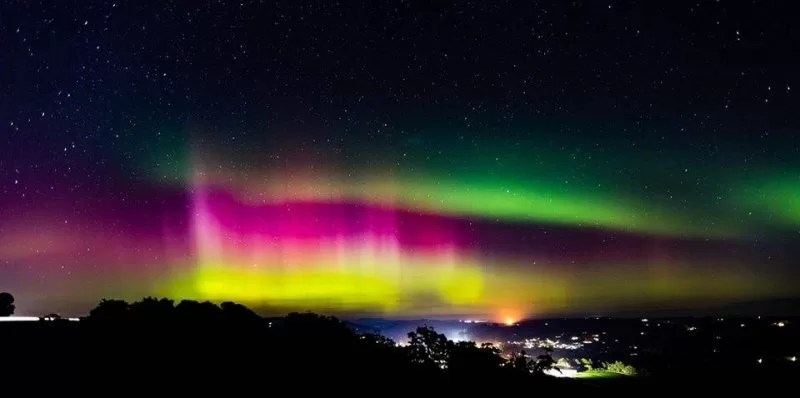
The northern lights are better known simply because the northern regions have far more accessible viewing points. In the south there is much less land and much more ocean, which makes the Aurora Australis harder to reach. You need to be as far south as possible, which is what makes Tasmania the best place to see it.
When to see the southern lights in Tasmania
Tasmania has gentler seasonal and daylight swings than other far-southern places, which makes it a good base, and the lights can appear at any time of year.
The best time, though, is winter, roughly June to August. These are the darkest months, with the longest nights, so the chances are highest.
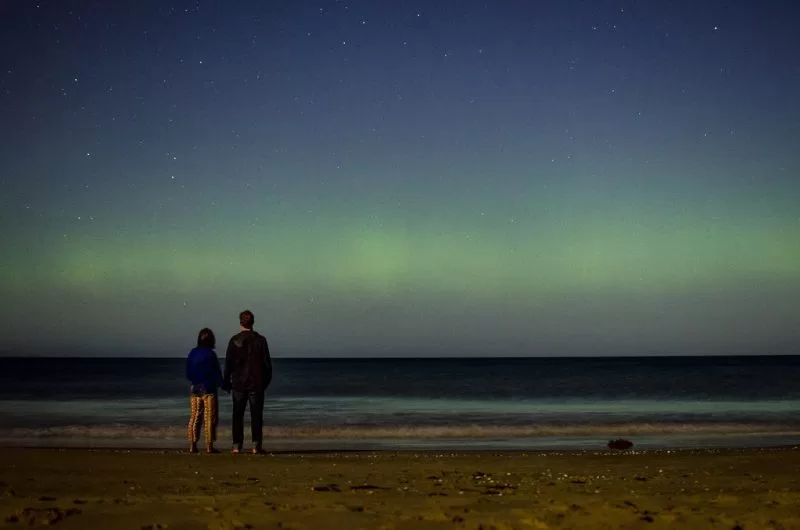
The weather can be unpredictable whatever the apps say, because the lights ultimately depend on the sun. Apps such as Star Walk and Solar Monitor can help you keep track of real-time activity.
How to photograph the southern lights
What you see online is not quite what you will see in person. Rather than red, green and blue dancing overhead, you may catch only faint white flickers with the naked eye, because our eyes struggle to pick up colour at night.
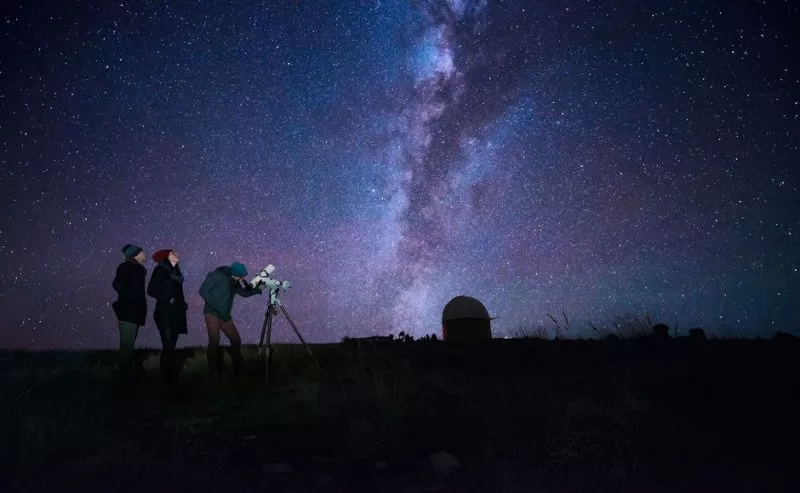
So the best way to capture them is with a camera, which brings out the colour.
- Use an SLR camera and a tripod for a steady, sharp image.
- Set the camera to manual, use a wide lens to let in as much light as possible, and a high ISO, between 800 and 3200.
- Set the shutter to 5 to 15 seconds and the focus to infinity.
Best spots to see the southern lights
The southern lights are not as commercialised as the northern, so there are no fixed viewing spots. But as Tasmania is a dark, unpolluted island with open skies, you can see them fairly easily.
The five places below are close to Tasmania’s capital, Hobart, so you can judge the distance from wherever you are staying. Dress as warmly as you can, as the higher, wooded ground can be cold at night.
1. Hobart
As the largest city, Hobart has some of the best viewing spots, though you need to find its darkest corners to see the lights well. Some of the best are:
- Howrah Beach, with south-facing views that show the lights clearly.
- Seven Mile Beach, near Hobart airport, sheltered from light and a good place to catch the aurora.
- Rosny Hill, a golf course sheltered from light pollution, where the lights look brighter.
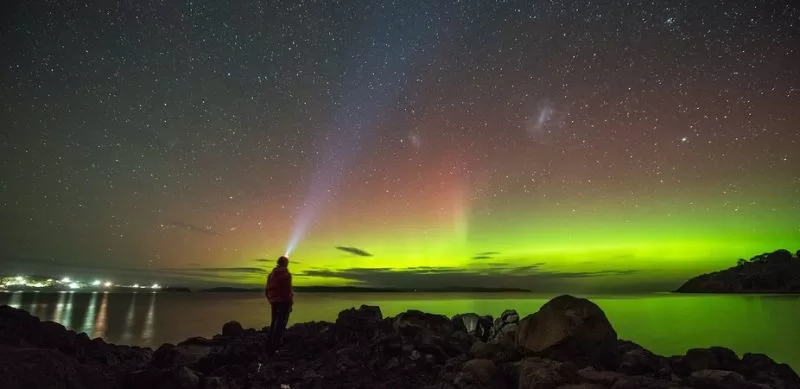
2. Mount Nelson
Mount Nelson is one of the best spots for a stronger, brighter aurora near the city; head up to the Signal Station at the top.
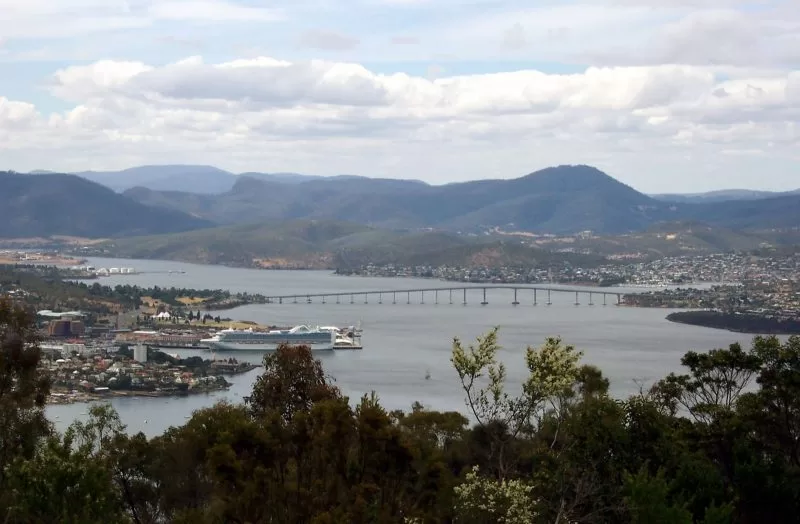
It gives wide views of the city and the lights. It is an easy ten-minute drive from town and usually has only a small crowd.
3. Mount Wellington
Mount Wellington, or kunanyi, is one of the best viewpoints of all. At about 1,270 metres (4,170 feet), it takes you above much of the light pollution.
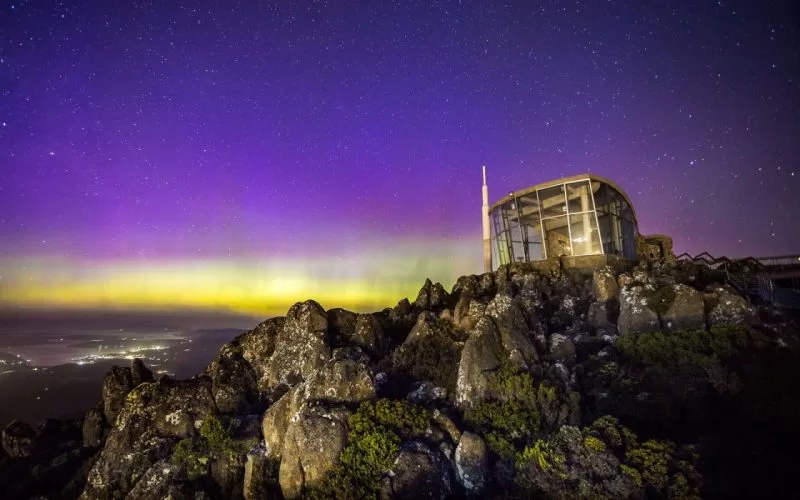
It is a 30-minute drive, west of Hobart.
4. South Arm Peninsula
This peninsula is a favourite with astrophotographers. Its wide bay gives an expansive view, and the shots you can capture here are striking.

Clifton and Calverts, near the peninsula, are excellent too, both with good south-facing views. South Arm is a 40-minute drive, east and south of Hobart.
5. Cockle Creek
The most recommended spot of all is Cockle Creek, at the southernmost point of Tasmania, a remote and peaceful place.
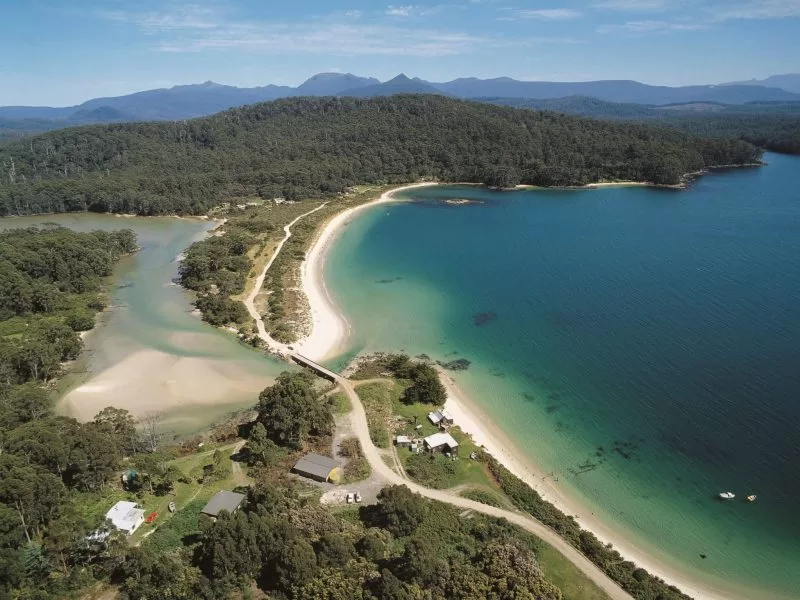
The creek is a two-hour drive south of Hobart, with the nearest accommodation at Ida Bay, along with a few other cottages and rooms.
The southern lights are a special sight. Heading south, keep these places in mind for the best chance of catching the Aurora Australis in Tasmania.
If you loved reading this story, then subscribe to our blog here (it will ask to verify your email) to get inspiring travel stories and trivia delivered to your email. Stories about wildlife trivia, cultural experiences, curated luxury hotel lists, underrated places to travel, polar journeys and much more.