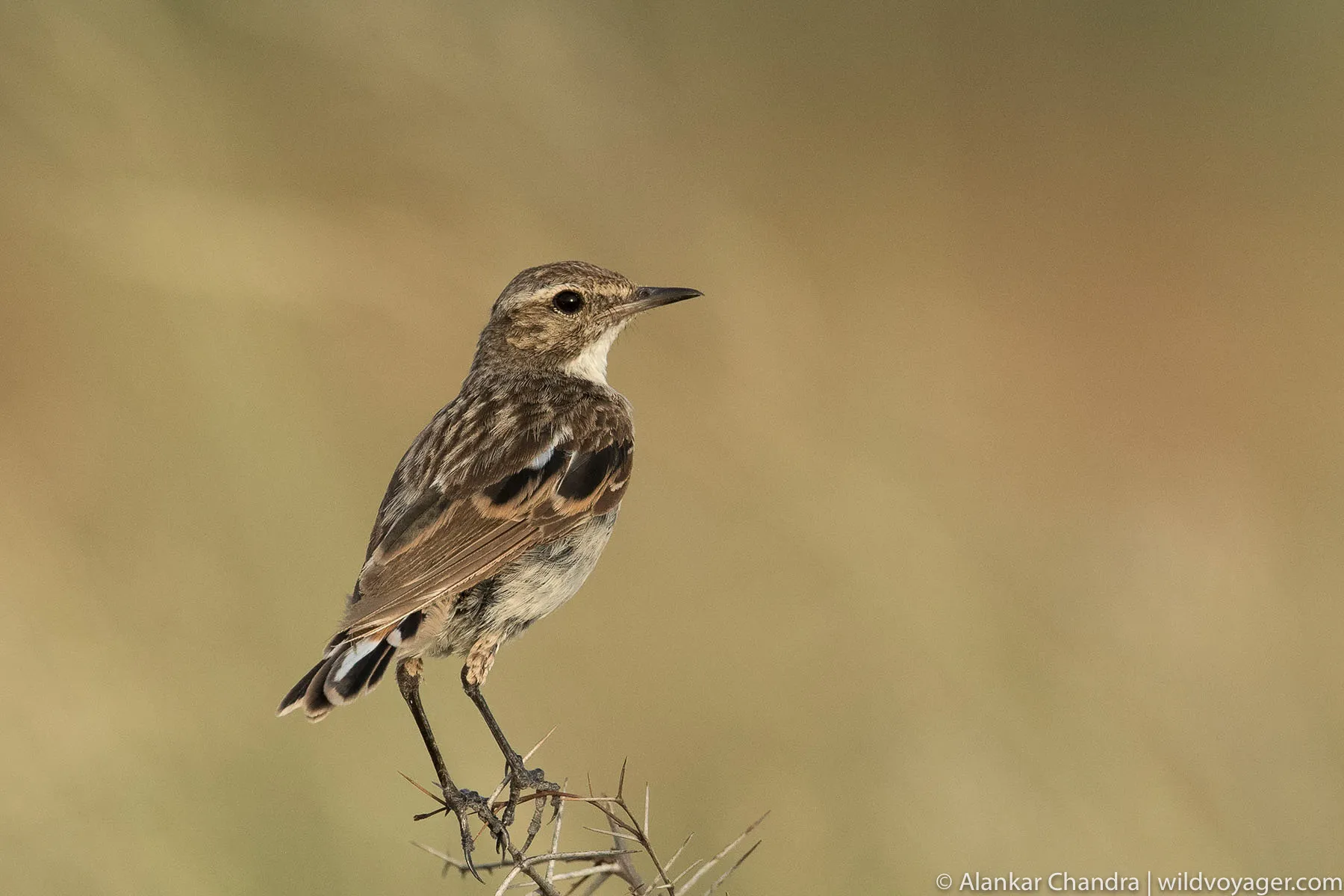
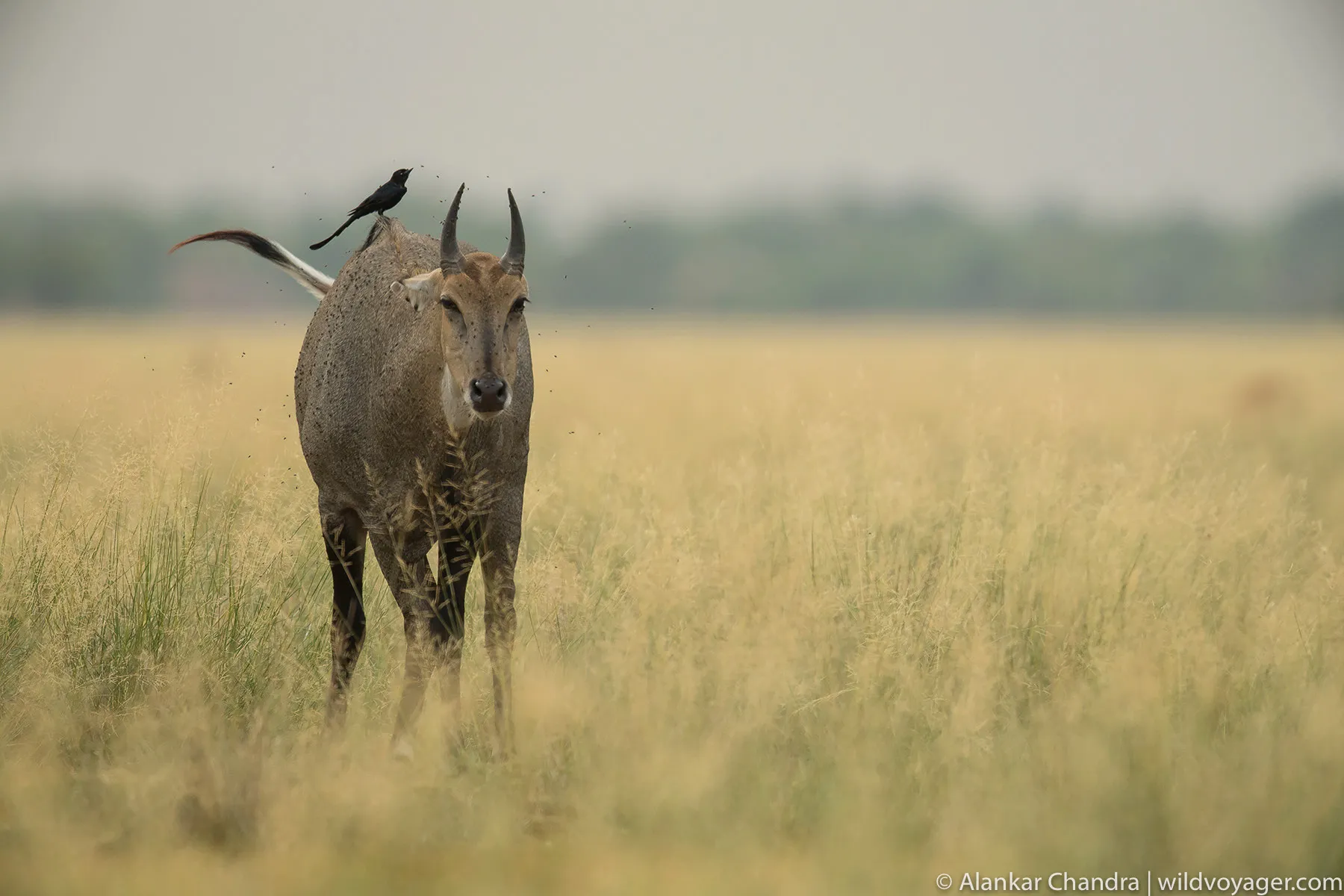
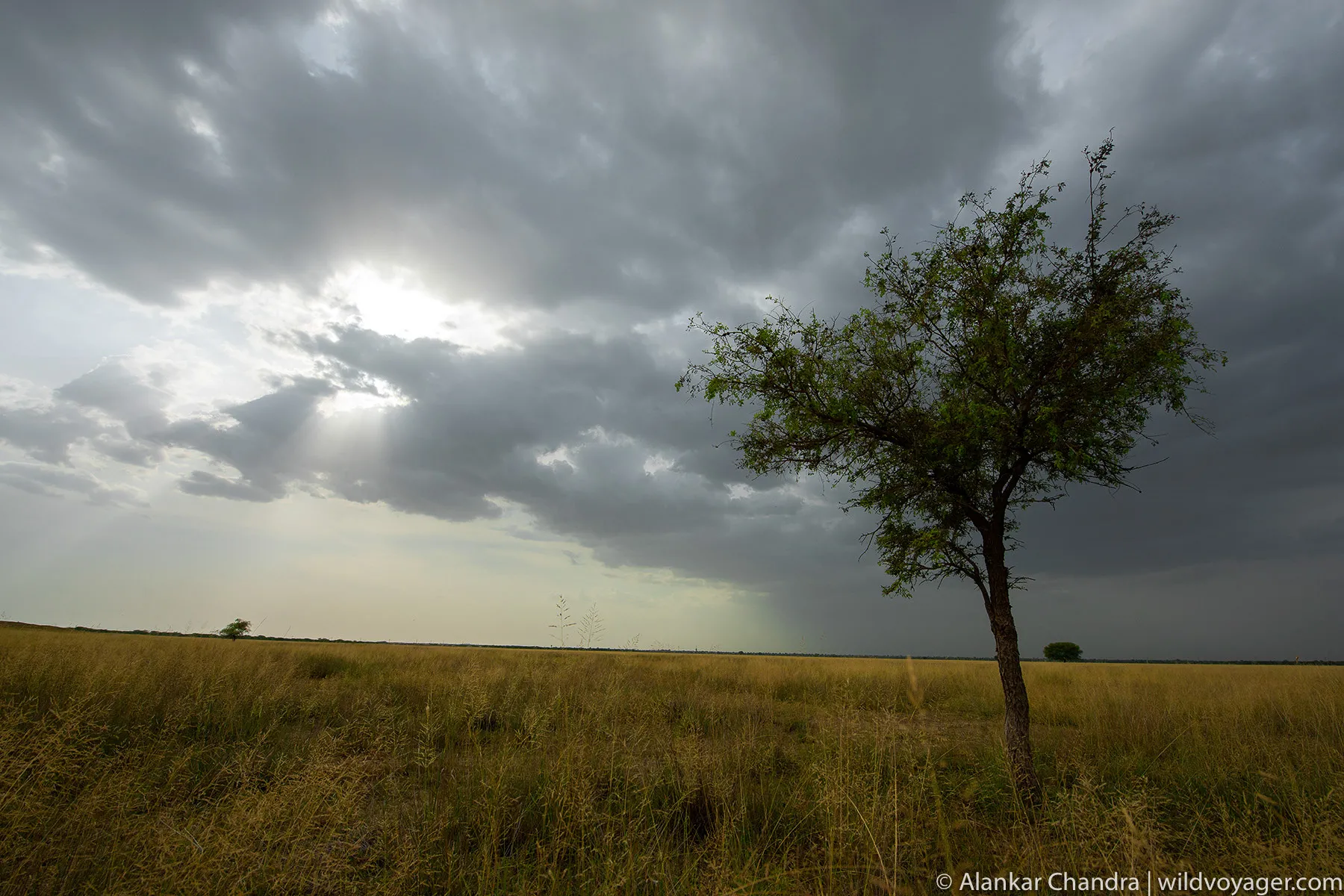
For years Tal Chhapar sat on my list without my ever getting there. It is not on the way to anywhere. It lies in Churu district, out in the Shekhawati, on the dry edge of the Thar, and you reach it on the state road that runs between Ratangarh and Sujangarh — flat, thorn-scrub country broken by the odd camel and a great deal of dust. Nothing on that approach prepares you for the moment the land opens. The scrub falls away and a sheet of golden grass runs clean to the horizon, so like an African savannah that I had to remind myself which country I was standing in. Everyone who writes about Tal Chhapar says this, and I had discounted it as the usual overselling. It turns out to be simple fact. India has other grasslands, but none of them hold the eye and pour out to the sky the way this one does.
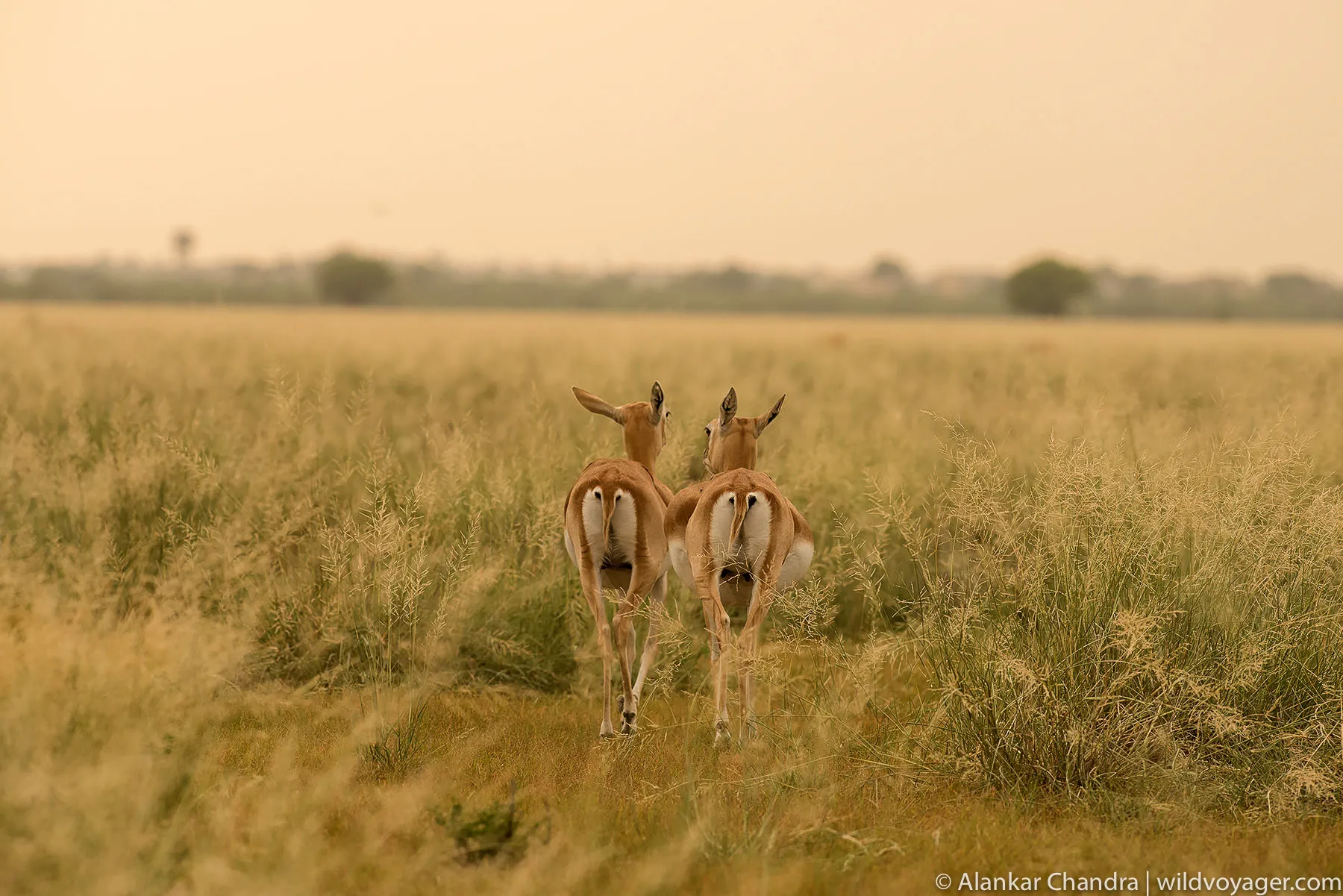
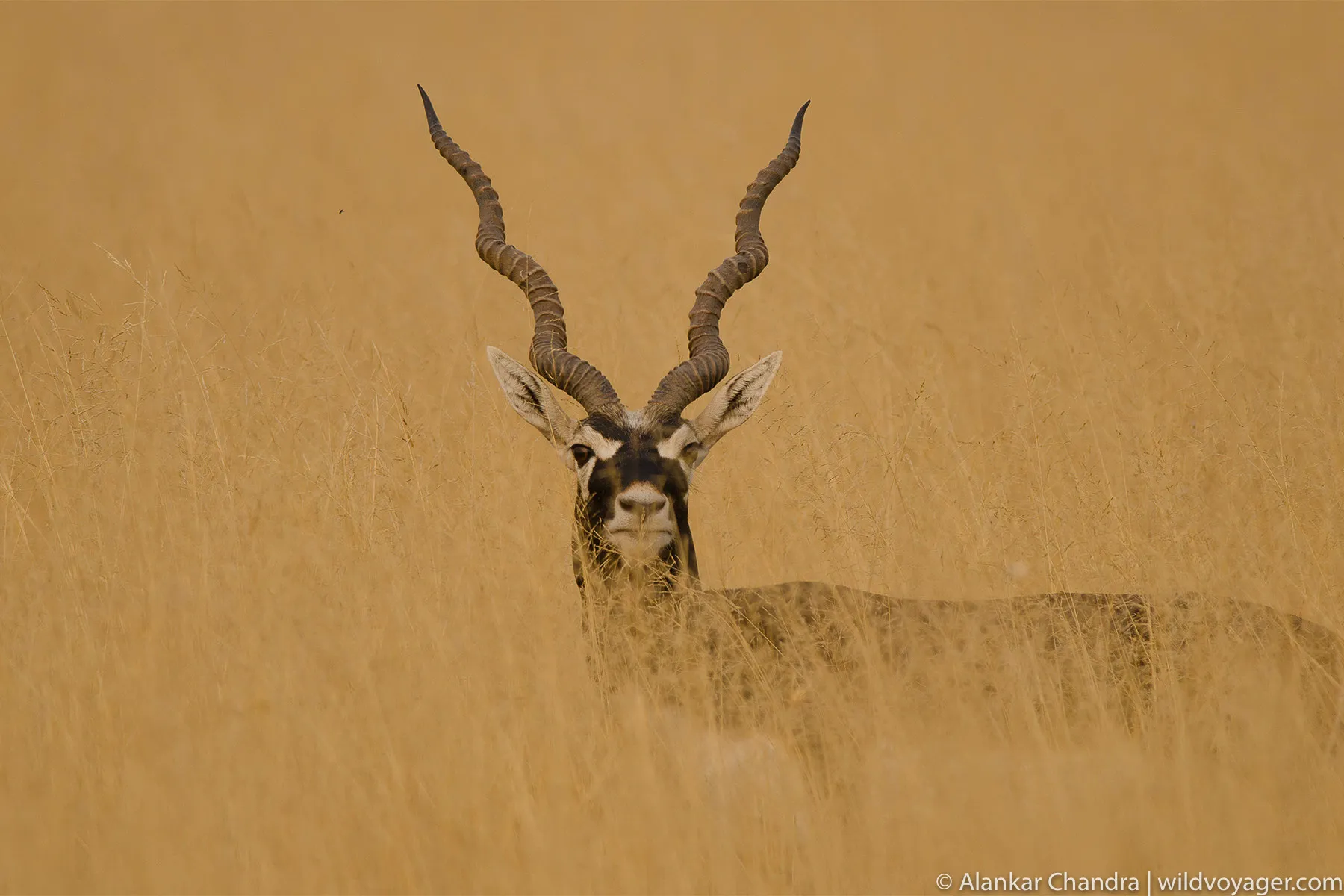
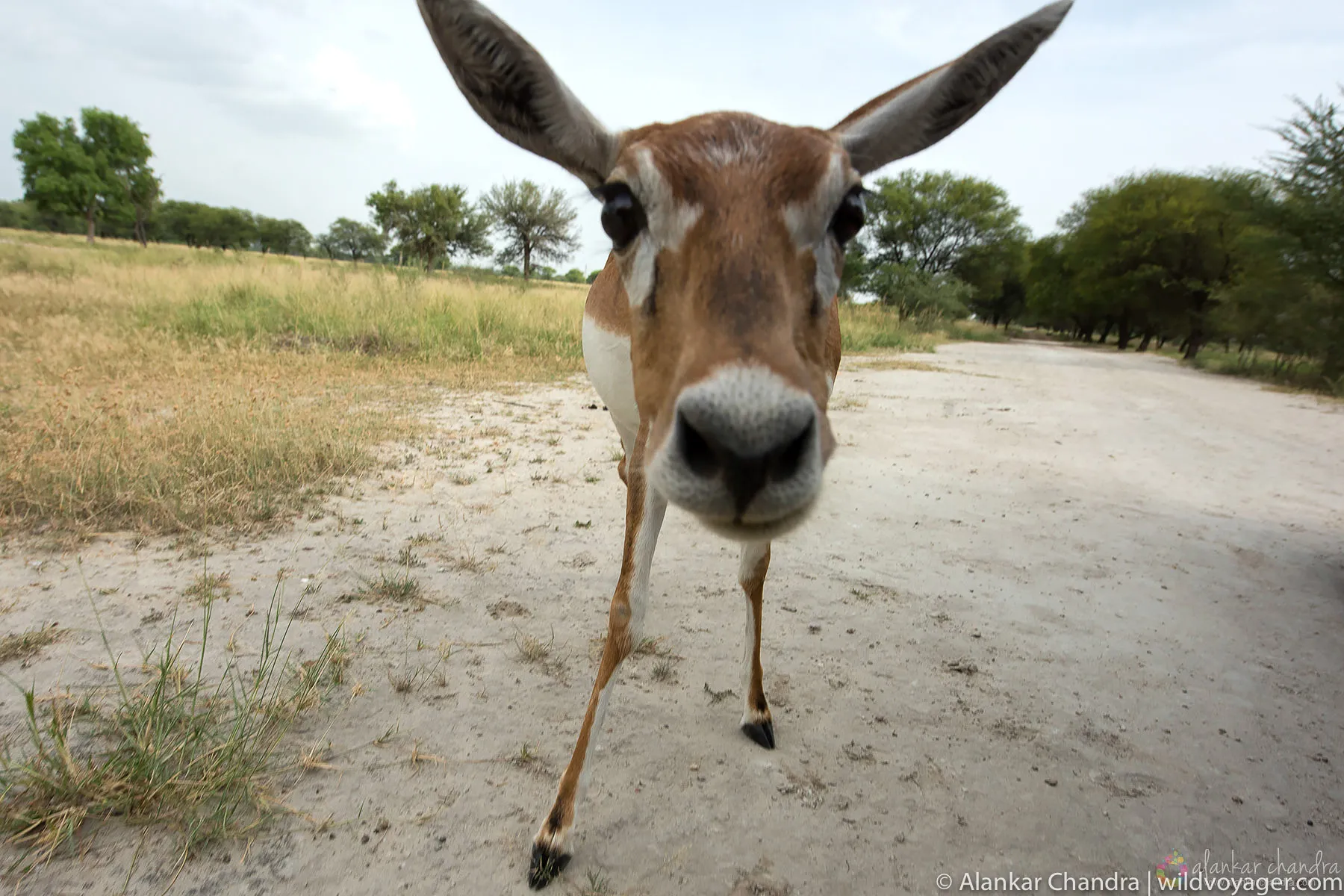
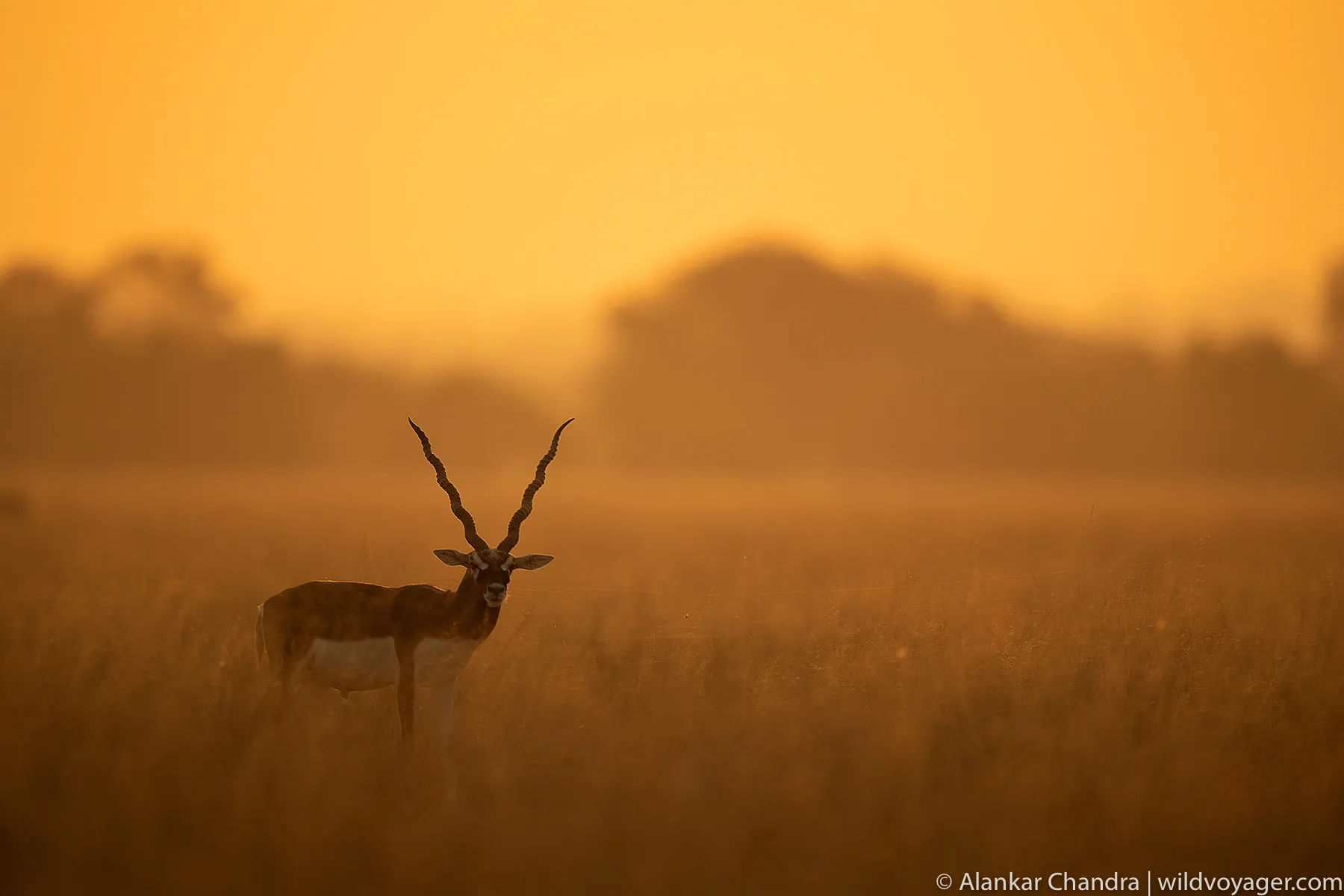
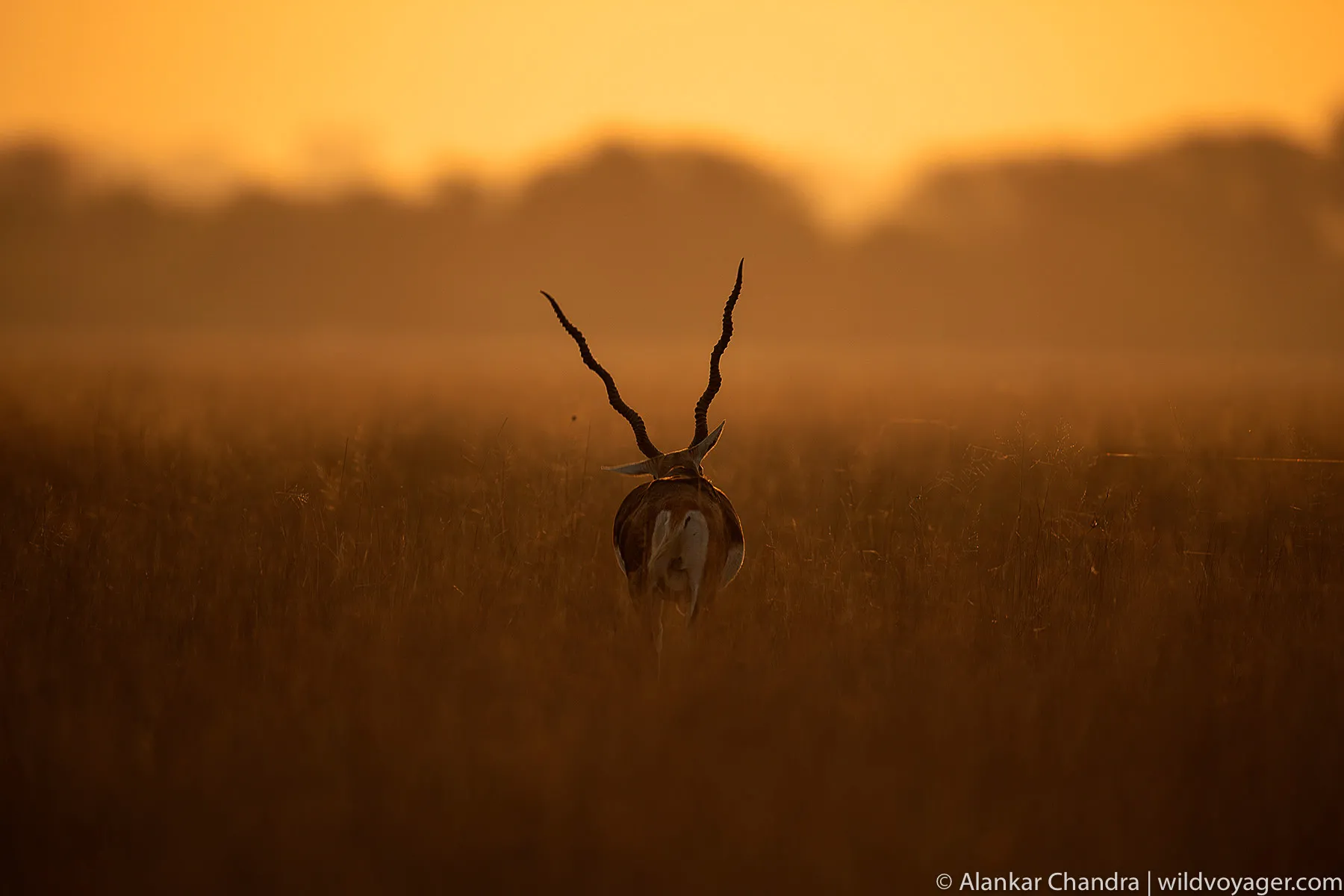
It is a small place. The sanctuary proper is barely seven square kilometres, a flat saline hollow a little over three hundred metres above the sea, fringed by villages, salt flats and shallow lakes. Into those few kilometres, though, is packed one of the densest blackbuck populations in the country — several thousand of them, which on the open grass looks like a great deal more. Drive in early and they are everywhere: the females and young in loose grey-brown herds, the dominant males standing apart, black as ink against the pale grass, their spiral horns catching the first light. Tal Chhapar is often held up as proof that blackbuck conservation works, and after a morning here it is hard to argue. There cannot be many places on earth where you can sit in one spot and count blackbuck in the hundreds.
The blackbuck
They repay watching for their behaviour as much as their numbers. On most mornings the males are busy sorting out the season’s pecking order, and you will see two of them lock horns and shove, break apart, circle, and go at it again, in short, sharp bouts that settle who holds which patch of grass. The territorial males stake out their small arenas and strut them with their heads thrown back and noses to the sky, a posture that looks absurd until you understand what it is for. Give it an hour with the engine off and you stop ticking off a species and start reading a society. The light on them just after sunrise, when the black of an old male goes almost blue and the grass behind him is still gold, is reason enough to be up in the cold and dark.
The raptors
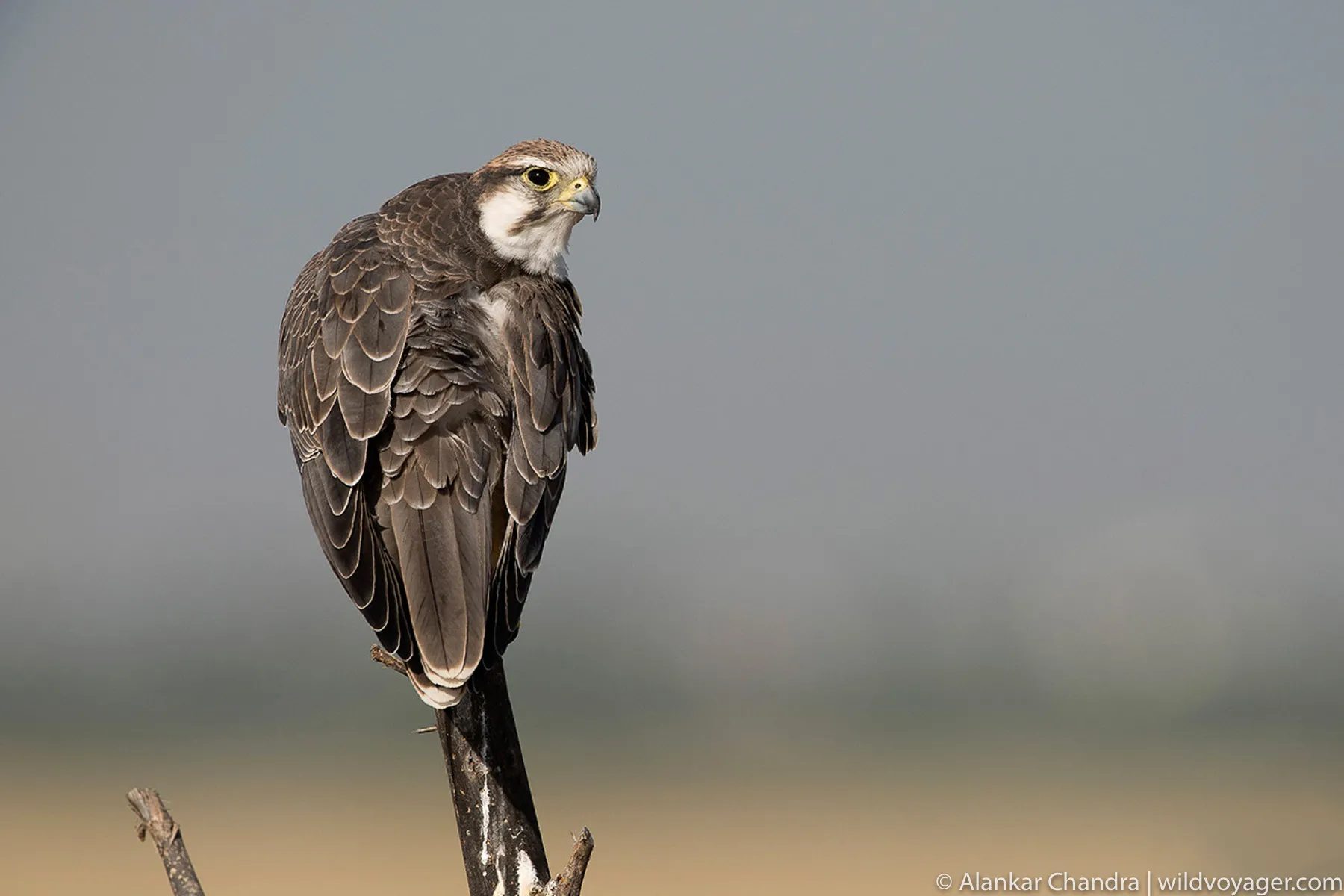
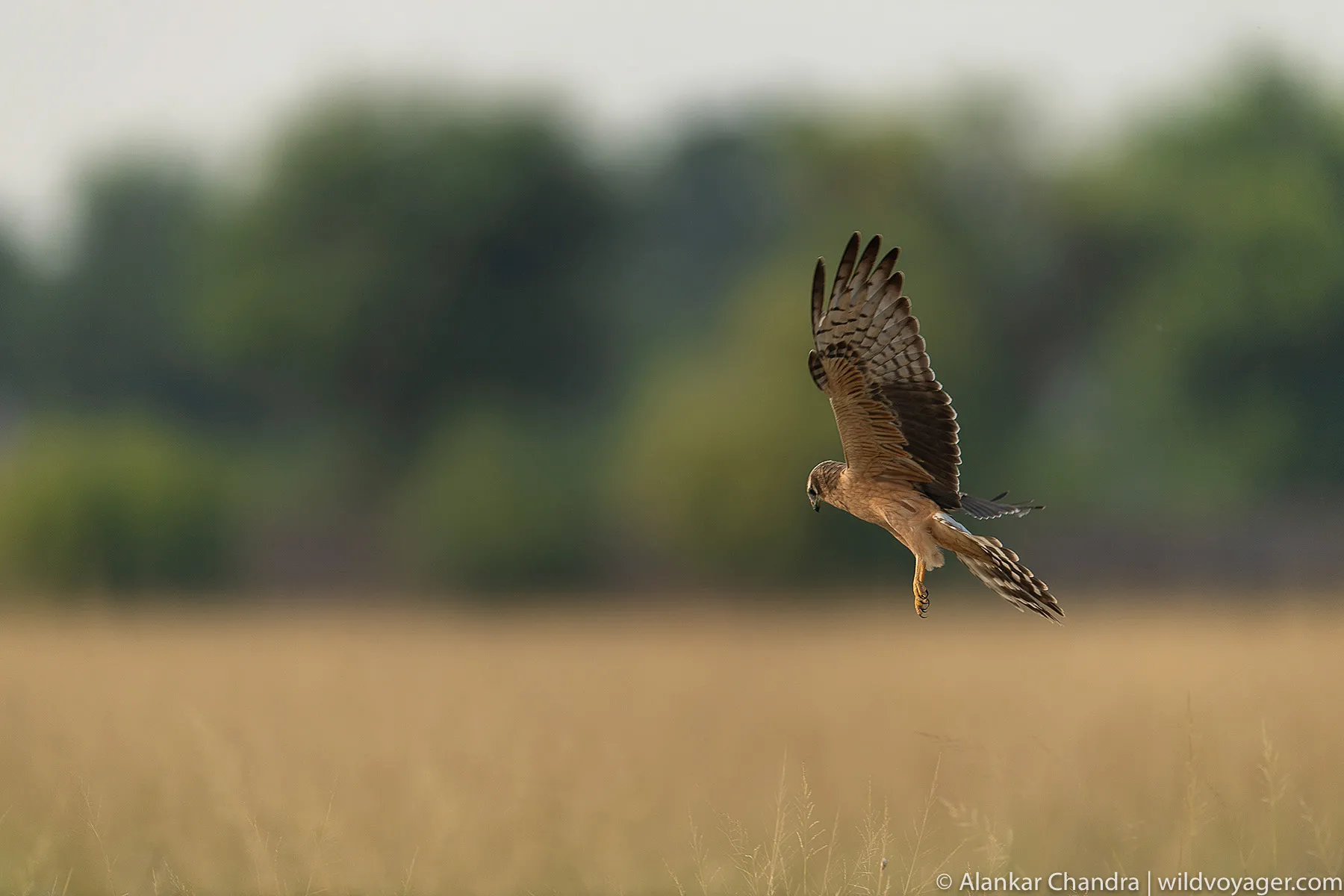
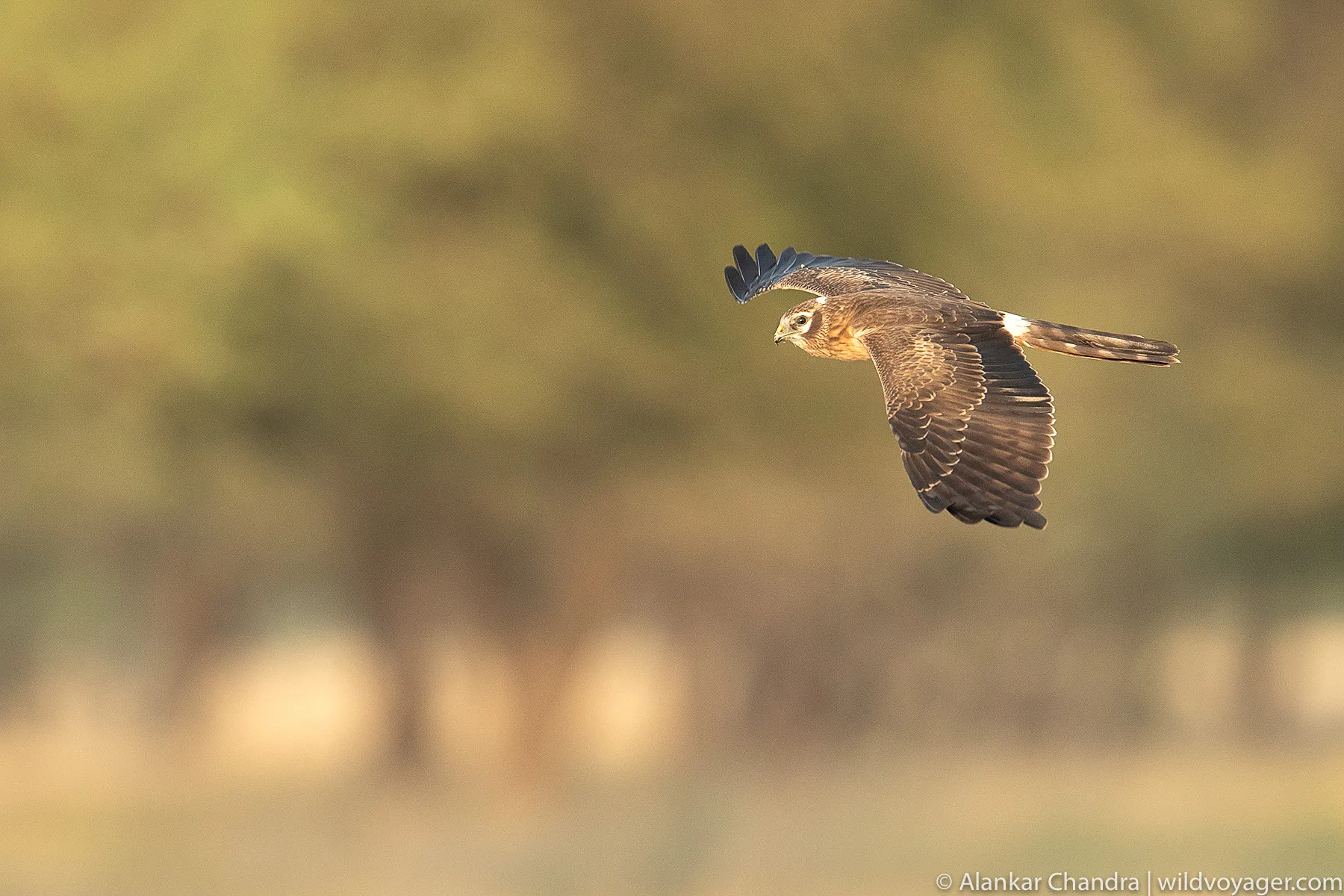
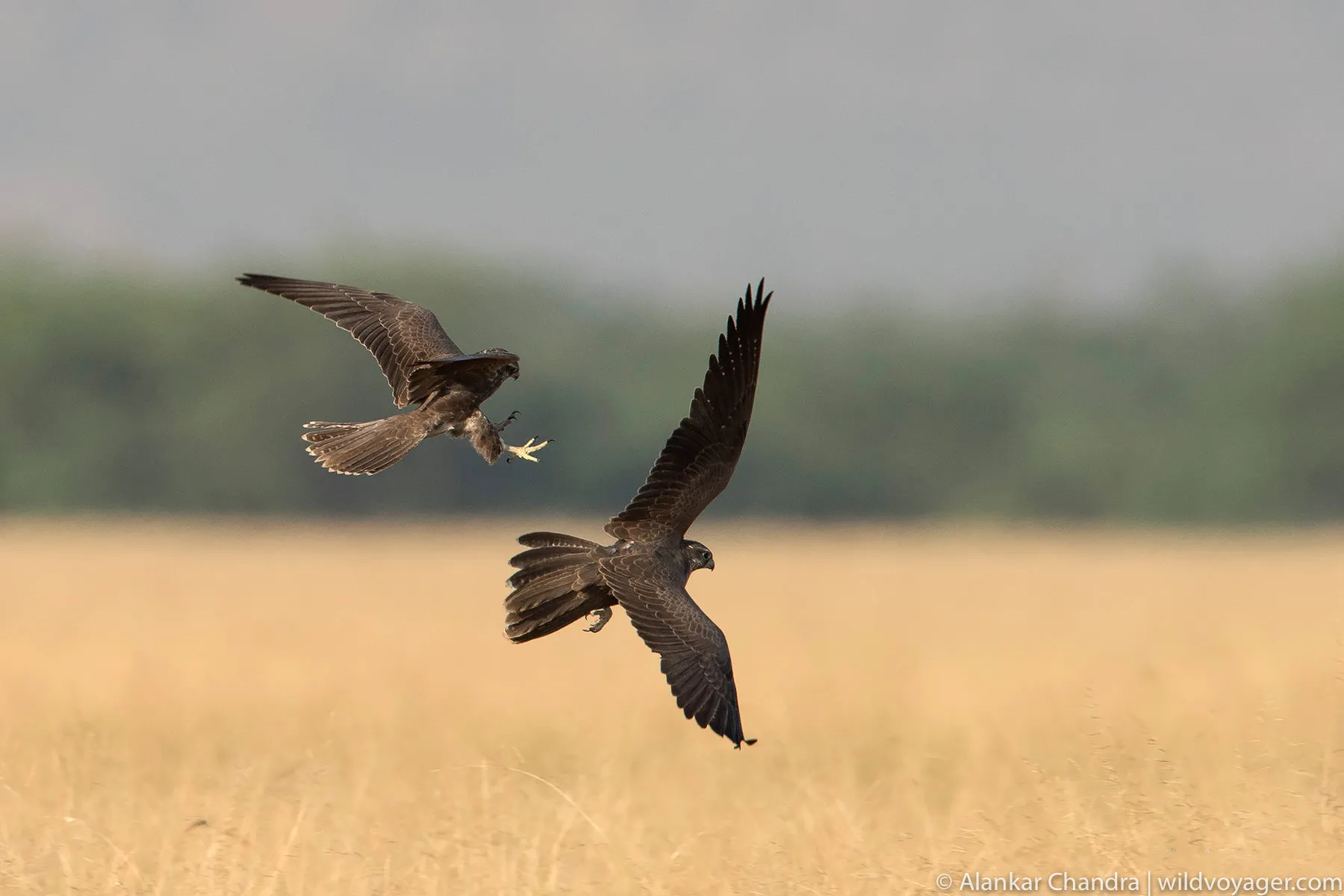
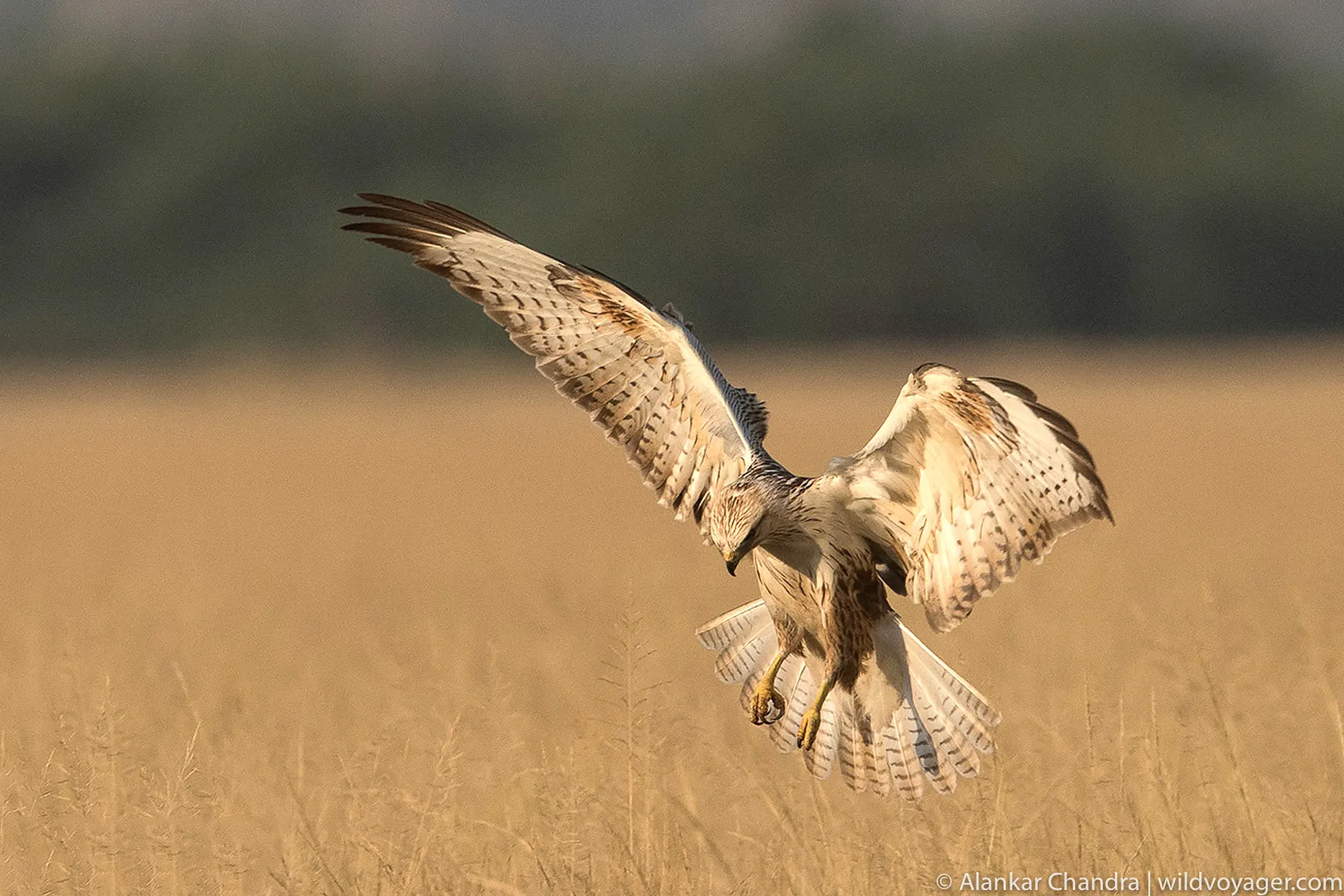
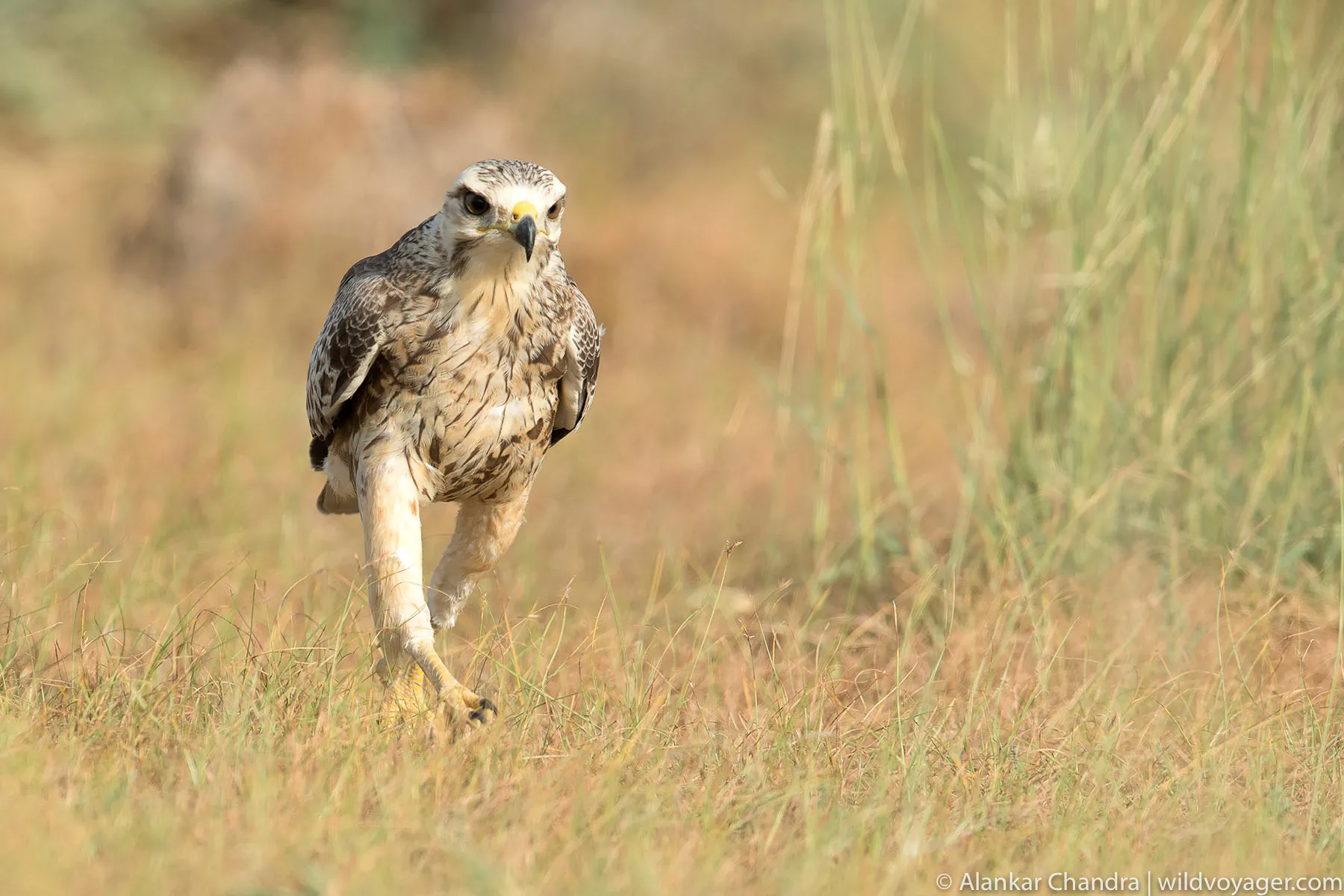
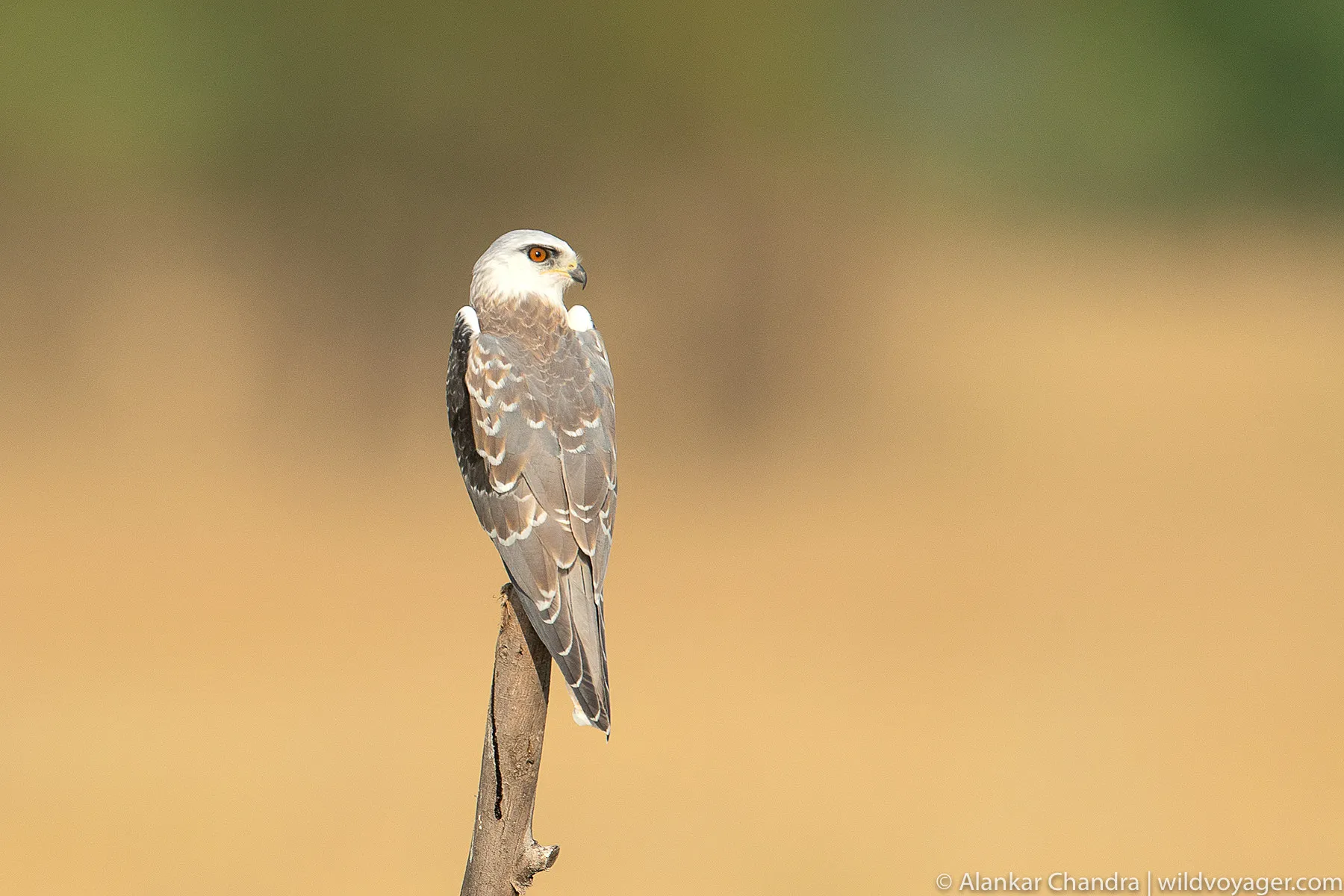
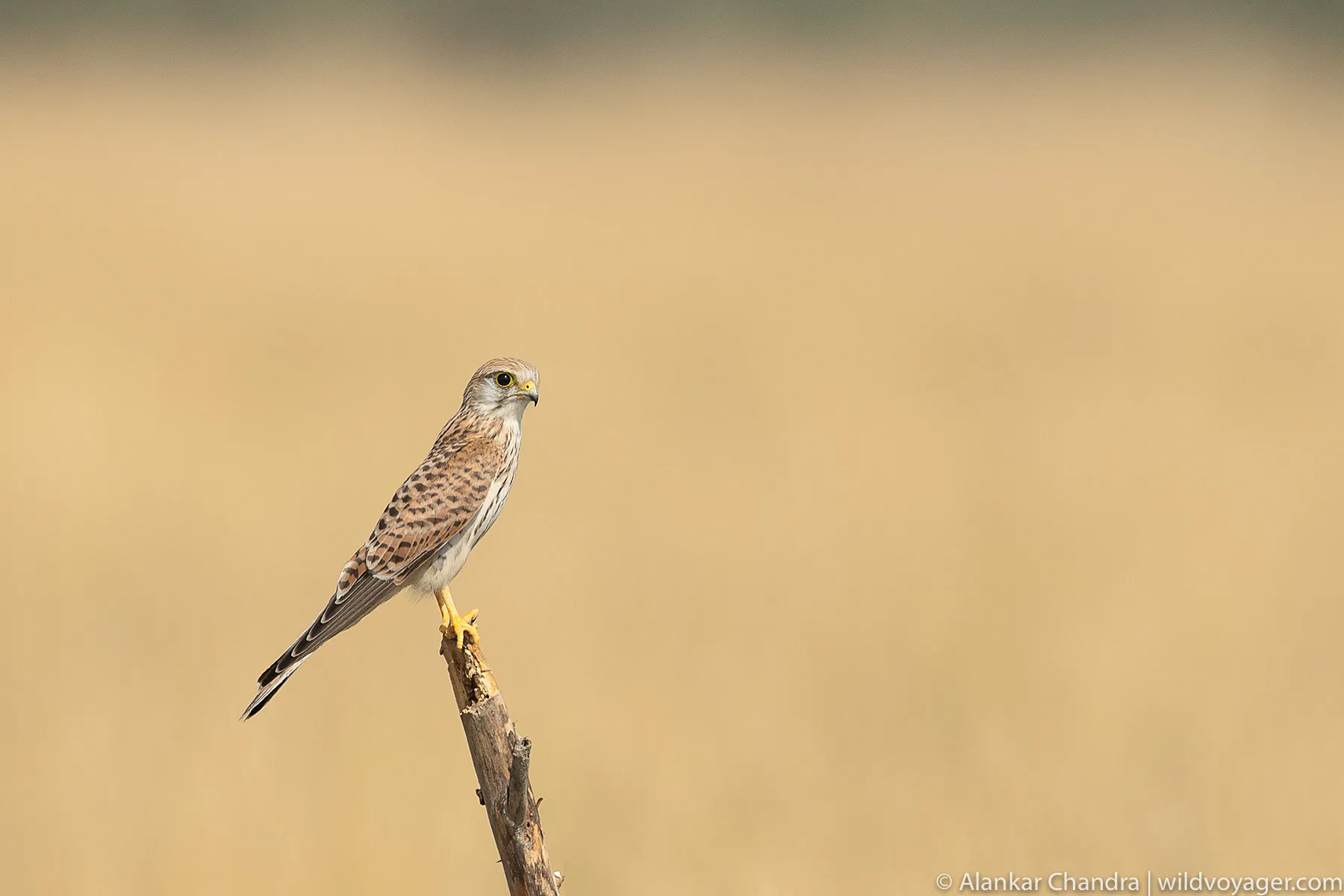
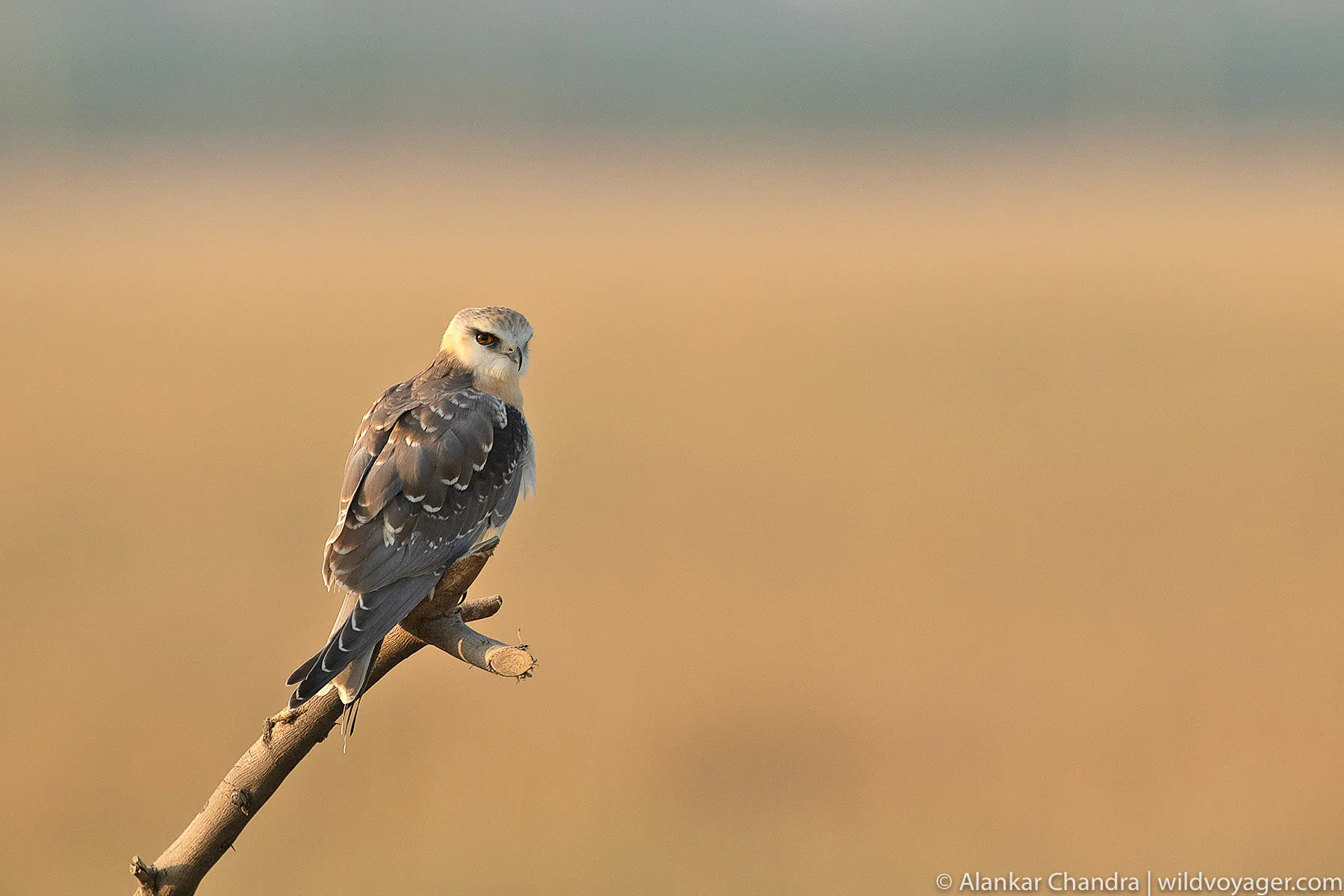
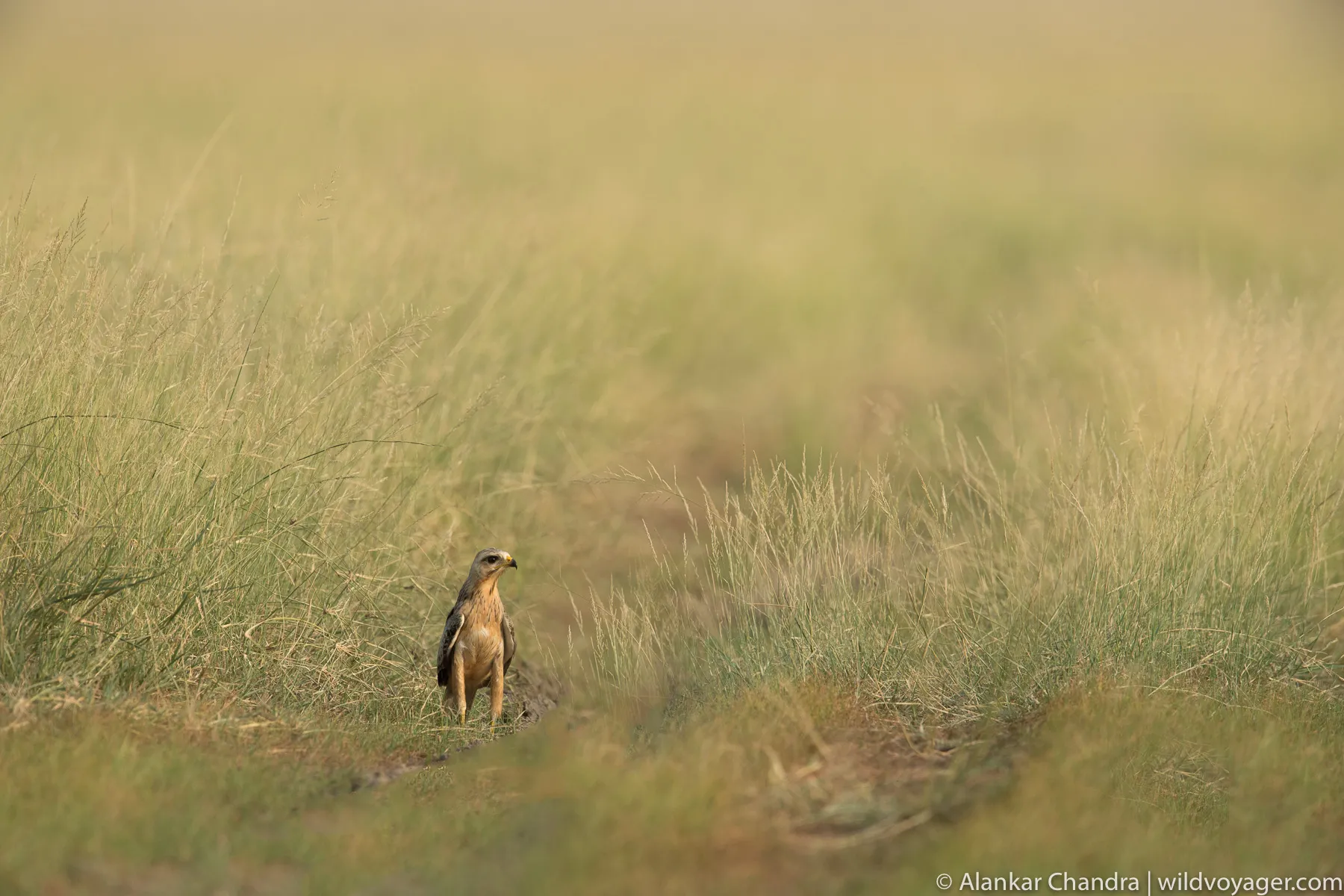
Indian birders, though, do not drive all this way for the blackbuck. They come for the raptors, and Tal Chhapar in the cool months is one of the finest places in the country to see them. Over a few mornings I logged most of the regulars:
- Laggar falcon
- Red-necked falcon
- Common kestrel
- Lesser kestrel
- Crested serpent eagle
- Bonelli’s eagle
- Tawny eagle
- Egyptian vulture
- Red-headed vulture
- Cinereous vulture
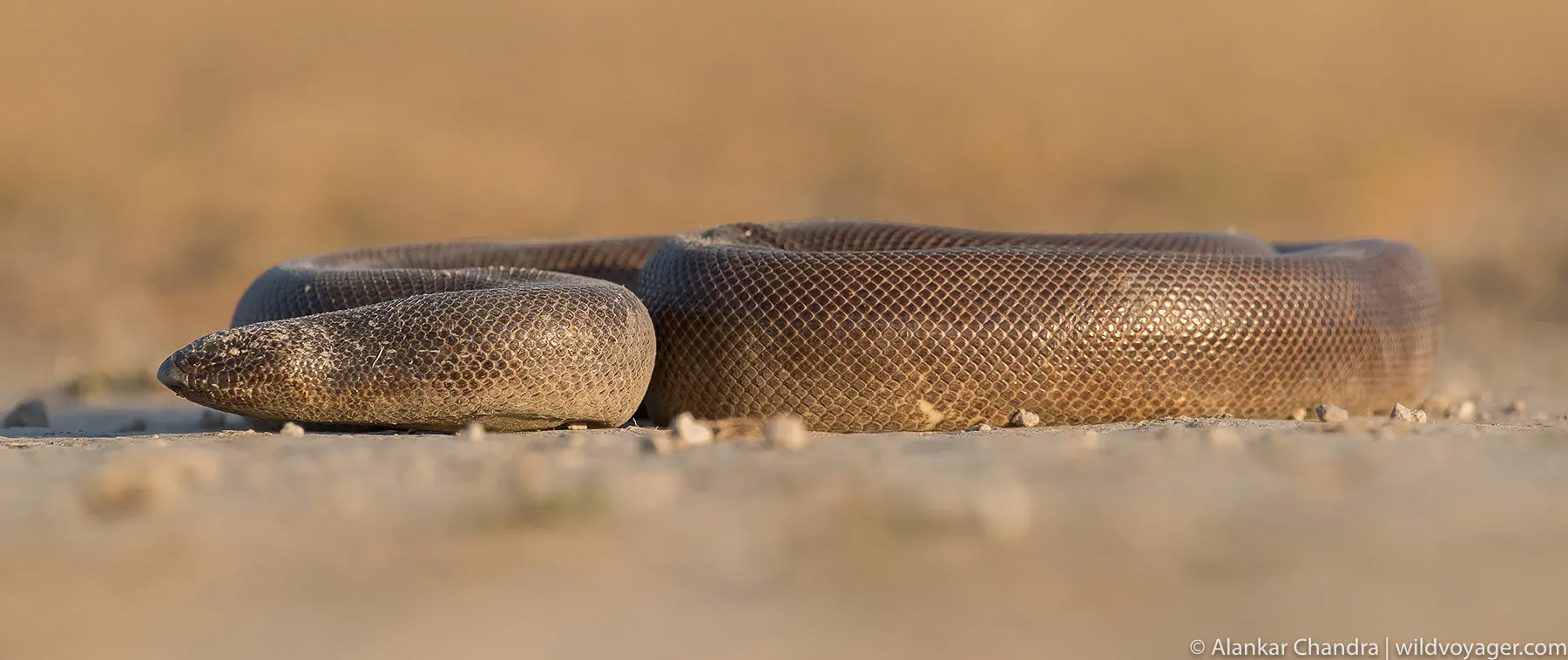
and, around the edges, demoiselle cranes, short-eared owls, the quietly brilliant spotted creeper, and yellow-eyed pigeons. The local guides put the sheer numbers of birds of prey down to one thing: spiny-tailed lizards. These stout, armoured little reptiles — sanda, to the people here — dig their burrows across the grassland and come out to bask in the open through September and October, and to a falcon or an eagle they are about as easy a meal as the desert offers. Add a handful of waterholes inside the sanctuary, some natural and some dug and kept filled, which hold the birds through the hottest months, and you have the recipe for a raptor season that draws photographers from across the country.
Knowing where to look
It helps to understand that Tal Chhapar is really three or four places, and that each one is best for something different. Knowing which is which before you arrive saves a lot of aimless driving.
The grassland itself is the heart of it, entered on a small permit. This is where the blackbuck concentrate and where most of the raptors hunt, quartering low over the grass or sitting up on the few scattered acacia and khejri. Give it your mornings and evenings.
About four kilometres out is the Gaushala, the village’s cattle disposal ground. It is not a pretty spot and it does not smell of roses, but it is the single best place I know here to see vultures and eagles at close range — Egyptian, red-headed and cinereous vultures come down to the carcasses, and the eagles follow. It is also, oddly, a reliable place for the spotted creeper, that odd little bark-hugging bird that birders elsewhere spend days trying to find; the older trees around the gaushala seem to suit it. I spent a full morning there with a long lens and did not once wish I were somewhere prettier.
On another side lie the village and its shallow lakes, Charwas chief among them. When there is water in it, this is where the demoiselle cranes come in — long, elegant, grey, dropping onto the margins in twos and threes and then in strings, calling as they come. Sit quietly at the edge in the late afternoon and they will settle around you.
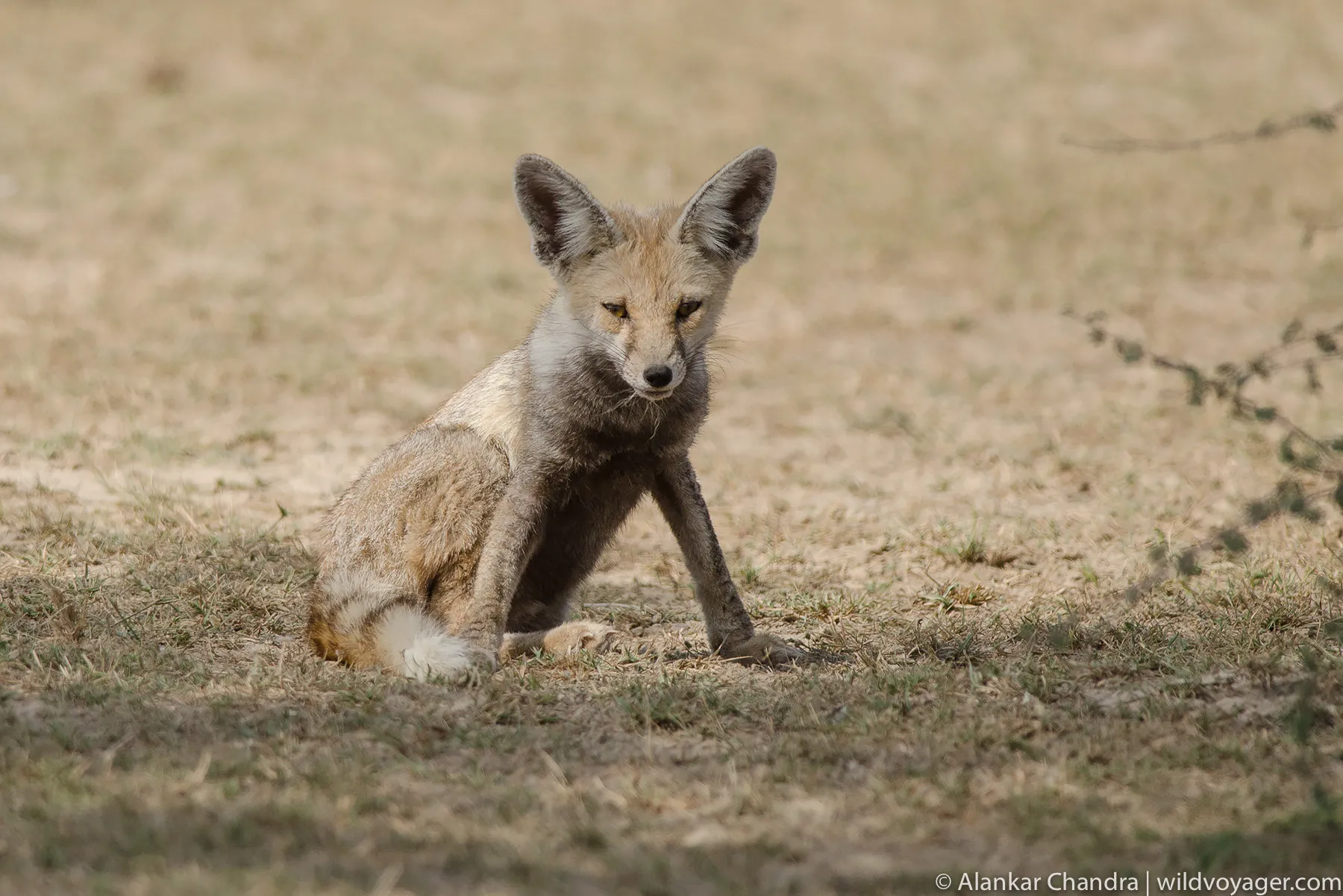
And behind the sanctuary are the salt lakes and pits. This is wader country: when the shallow pans hold water, stints, plovers, stilts and sandpipers work the edges, and it is worth a slow circuit with the light behind you. The salt pits are also where, if you are lucky and out at the right hour, the desert fox turns up — a small, pale, quick thing that most visitors never see because they never think to look here.
When to go, and how
The season matters. The grass is at its best and the raptors at their most numerous from roughly October into March, when the cold has pushed the migrants down and the days are kind. September and October are the pick for birds of prey, while the spiny-tailed lizards are still basking and the falcons and eagles are working them hard. Summer is punishing and best avoided unless you have a particular reason. Getting there is half the character of the trip: the nearest railhead is at Chhapar itself, with more connections at Ratangarh, and most people come across from Bikaner or down from Jaipur, a long but easy drive through Shekhawati towns that are worth stops of their own.
Beyond the fence
What is easy to miss, in all the driving between grass and gaushala and lake, is everything outside the fence. Step into the surrounding villages and you get rural Rajasthan with nothing dressed up for you — folk musicians who will play at the smallest excuse, pyaaz kachoris fried while you wait, buses packed past any sane limit, and people who will go a long way out of their way for a stranger. This is where the Shekhawati begins, and the region’s painted havelis — merchant mansions covered wall to wall in frescoes — are worth a detour on the way in or out. Give Tal Chhapar two or three days and you come away with more than a bird list. You come away with a corner of Rajasthan that most itineraries never reach.