India’s forests make ideal tiger country, and the country holds around 70% of the world’s wild tigers. You do not need to travel to China, Nepal or Russia to see one; a safari in India will do it.
The best-known reserves — Bandhavgarh, Ranthambore, Corbett, the Sundarbans — draw big crowds, which can mean queues and shared jeeps rather than quiet sightings. If you would rather avoid that, several less-visited reserves offer excellent tiger viewing. They see fewer people mainly because they are remote. Here are ten of them.
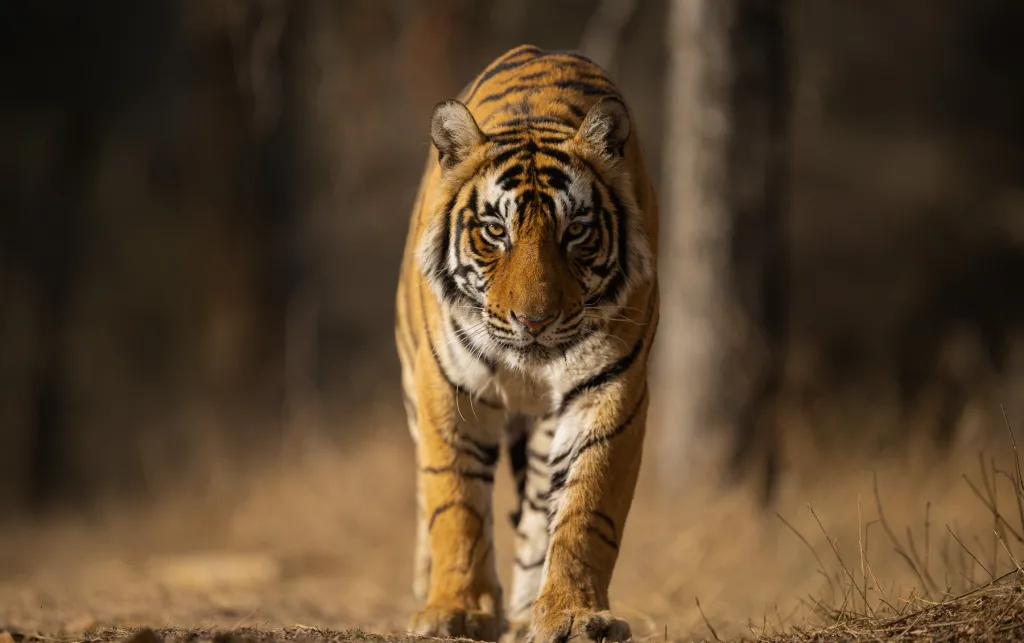
A Royal Bengal Tiger spotted at Ranthambore National Park
1. Satpura Tiger Reserve, Madhya Pradesh
Satpura is a relatively new reserve and one of the least-visited, with a growing tiger population moving through its forests, gorges and ravines.
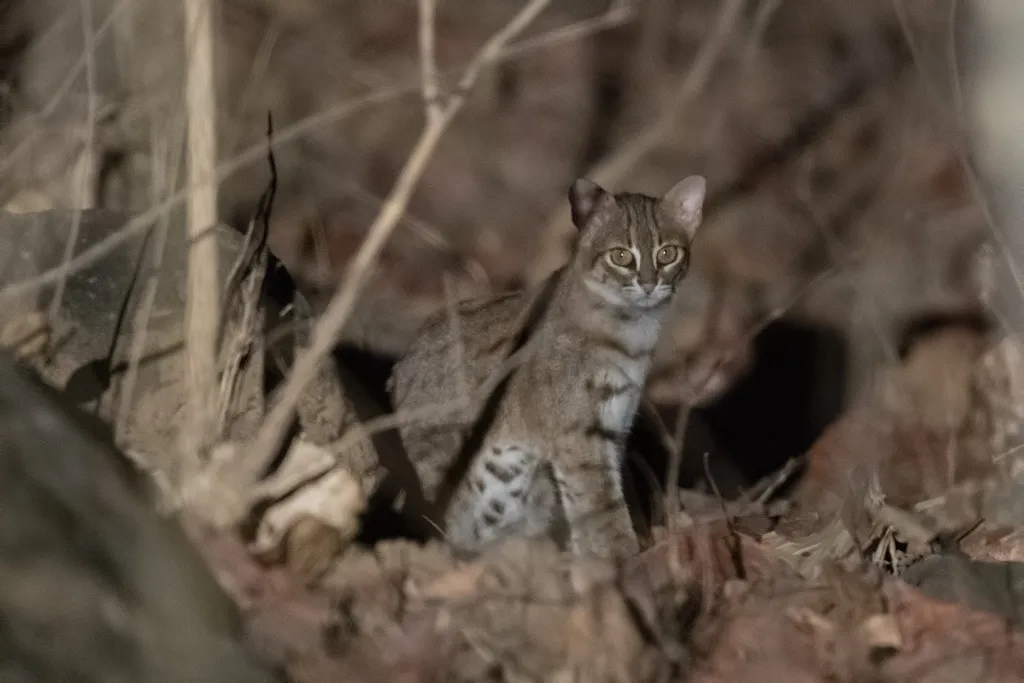
Cat spotted in Satpura Tiger Reserve
It is a good place to get off the beaten track. You can explore on foot, and it also holds leopard, sloth bear, porcupine and flying squirrel. Unusually, you can kayak here.
Best time to visit: October to March, and April to May
2. Dudhwa Tiger Reserve, Uttar Pradesh
The Dudhwa Tiger Reserve takes in Dudhwa National Park and the Kishanpur and Katarniaghat sanctuaries, and shares its northern edge with Nepal along the Mohana River.
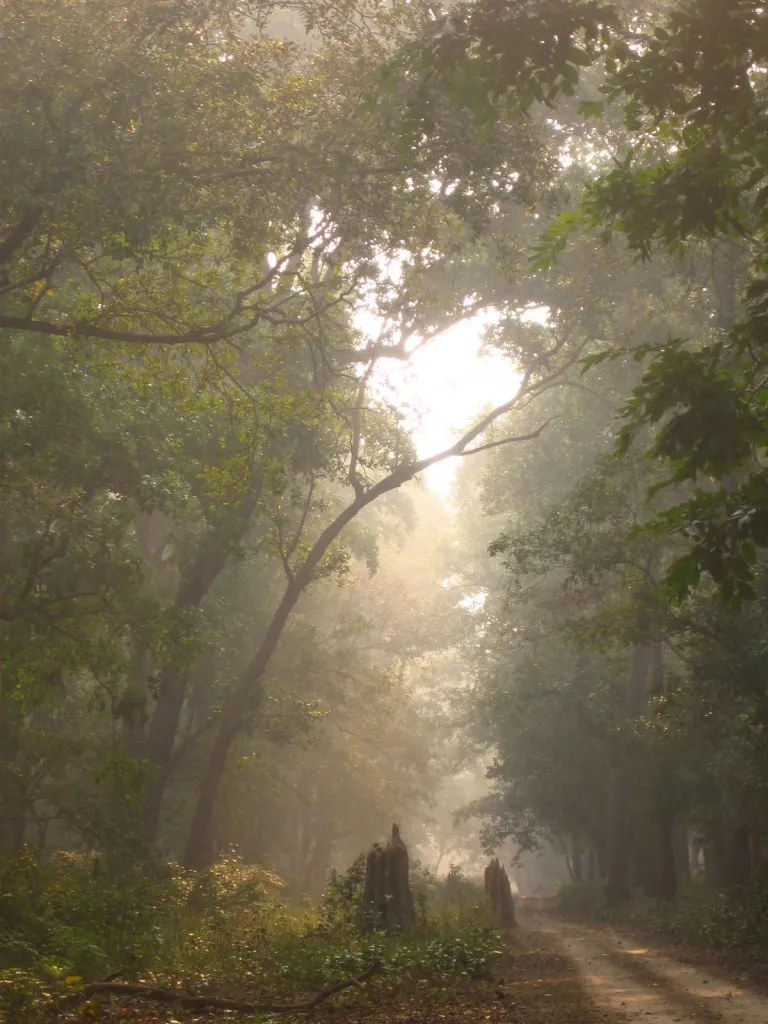
Dudhwa Tiger Reserve
It holds an estimated 100 or so tigers, along with swamp deer, sambar, spotted deer, ratel, jackal, sloth bear and leopard, and around 450 bird species. Jeep safaris run through its dense forest.
Best time to visit: December to April
3. Manas National Park, Assam
Manas is a UNESCO World Heritage Site in the Himalayan foothills, a mix of alluvial grassland and tropical forest.
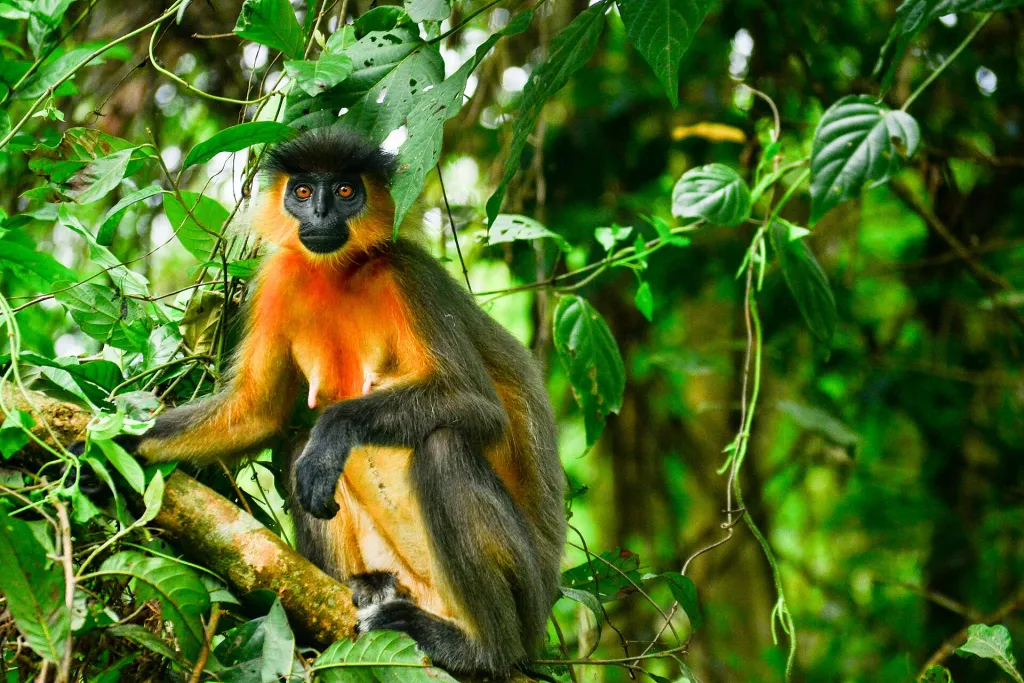
The rare capped langur in Manas National Park
It spans forest and grassland, and holds around 60 tigers, 55 mammal species, 50 reptiles and 380 birds, including rare species such as the Assam roofed turtle, golden langur and pygmy hog.
Best time to visit: October to April
4. Nameri National Park, Assam
Nameri sits in the eastern Himalayan foothills, sharing its northern border with the Pakke (Pakhui) Sanctuary in Arunachal Pradesh, with dense forest and fine scenery.
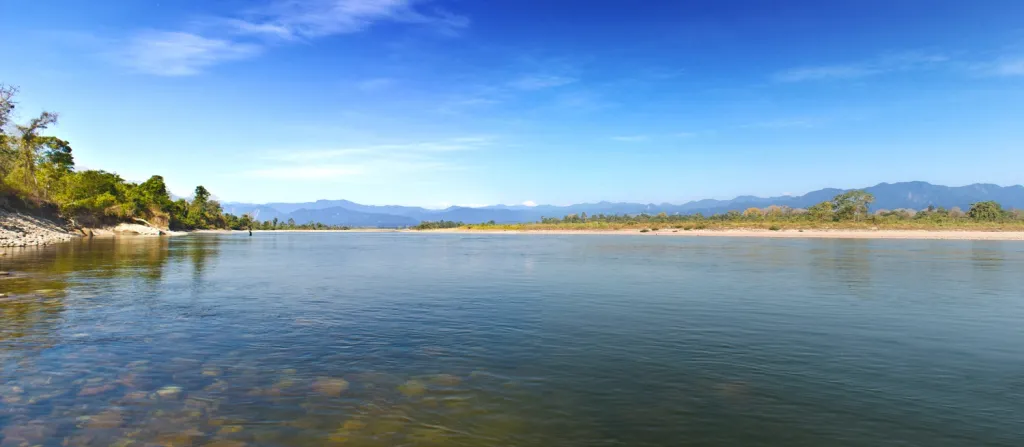
Nameri National Park
Tiger sightings are rare, but possible on a guided walk. It is excellent for birds, with over 300 species including white-winged wood duck, great pied hornbill and rufous-necked hornbill. Asiatic wild dog, clouded leopard, marbled cat and Himalayan black bear are also here, and kayaking is popular.
Best time to visit: November to April
5. Mudumalai National Park, Tamil Nadu
Mudumalai lies on the north-western side of the Nilgiri Hills, divided into five ranges: Kargudi, Mudumalai, Nellakota, Masinagudi and Thepakadu.
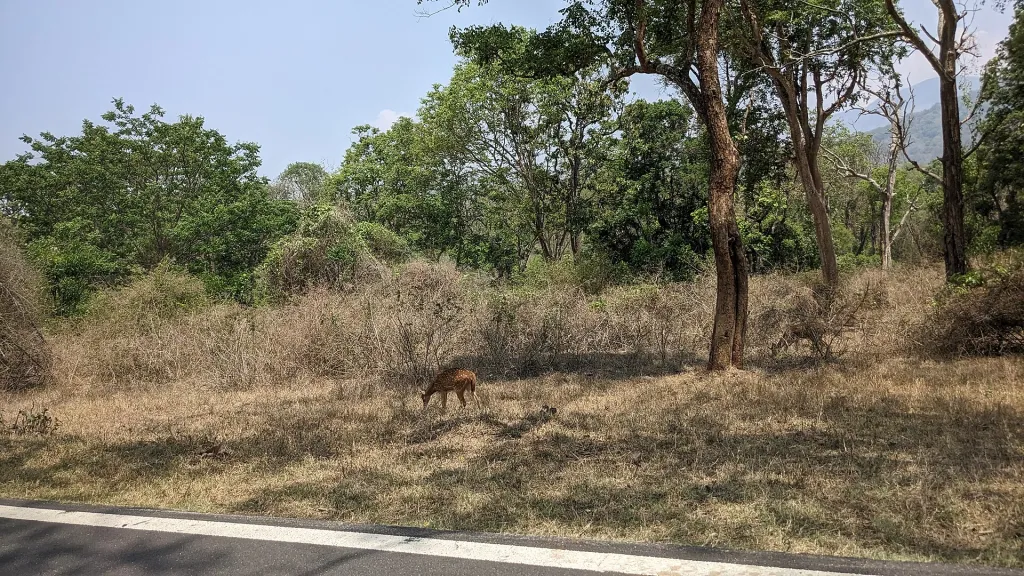
Mudumalai Tiger Reserve
Established in 1940, it is one of India’s oldest national parks. Four of the country’s cat species are found here — Bengal tiger, leopard, jungle cat and leopard cat — along with about 55 mammals, more than 200 birds and 50 fish species. It is part of the Nilgiri Biosphere Reserve.
Best time to visit: February to May
6. BR Hills (BRT) Tiger Reserve, Karnataka
The Biligiri Rangaswamy Temple (BRT) sanctuary sits on the Biligirirangana Hills, a wildlife corridor linking the Eastern and Western Ghats.
A survey recorded 62 tigers here, and it is also known for its wild elephant herds, with over 200 bird species and plenty of other mammals.
Best time to visit: October to May
7. Rajaji National Park, Uttarakhand
Rajaji covers the Shivalik hills near the Himalayan foothills, formed by merging the Motichur, Chilla and Rajaji sanctuaries.
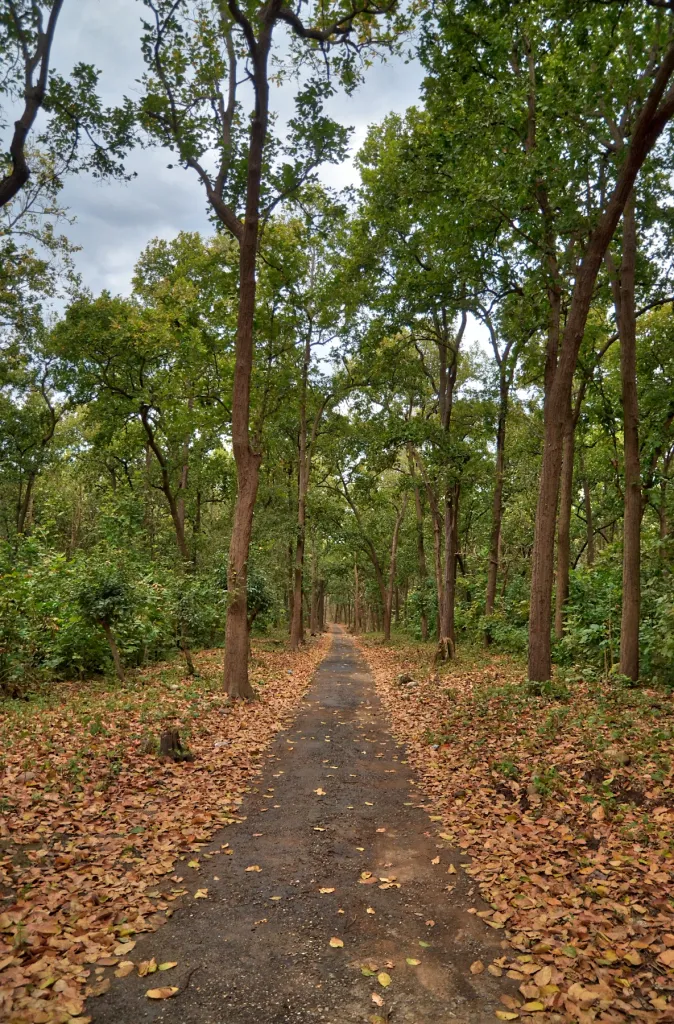
Rajaji National Park
It has dense forest and varied terrain, with tiger, elephant, leopard, goral, deer and many reptiles. Birding is good too, with more than 300 species. Jungle safaris are the way to see it.
Best time to visit: November to June
8. Bor Tiger Reserve, Maharashtra
Bor is a small reserve near Hingani in Maharashtra, taking in the catchment of the Bor Dam.
Alongside tigers it holds leopard, gaur, deer and wild dog. Tigers are seen often, and numbers have risen steadily in this small reserve. There are over 160 bird species and 26 reptiles. A good option if you are short on time.
Best time to visit: April to May
9. Mukundara Hills Tiger Reserve, Rajasthan
Mukundara, also known as the Darrah sanctuary, sits on the east bank of the Chambal River across the Kota, Bundi, Chittorgarh and Jhalawar districts, and was once a hunting ground of the rulers of Kota.
Its dense forest holds many medicinal plants, and you may see a tiger on safari, along with leopard, hyena, wolf, chinkara and antelope. Birding is good.
Best time to visit: October to June
10. Bhadra Tiger Reserve, Karnataka
Bhadra lies along the Western Ghats in Karnataka.
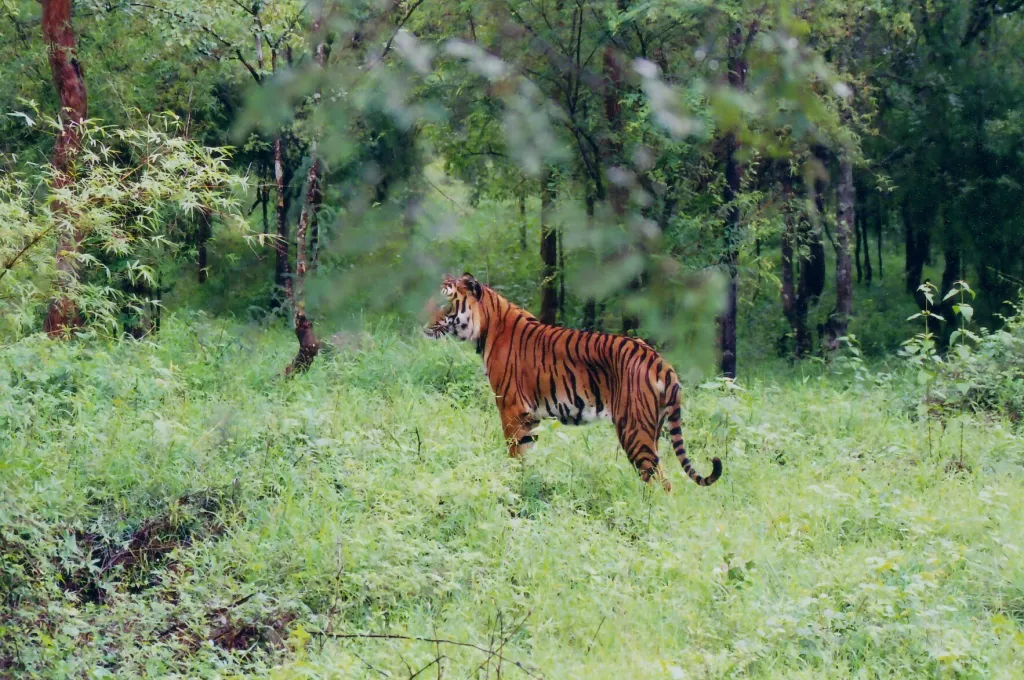
Indian tiger at Bhadra Wildlife Sanctuary
It holds around 40 tigers, plus elephant, gaur, wild boar and flying squirrel, with over 120 plant and about 200 bird species. Its landmark is the Jangara Giant, a teak thought to be some 400 years old.
Best time to visit: October to March
If you want a quiet reserve where you can take your time, any of these underrated parks is worth the trip.
If you loved reading this story, then subscribe to our blog here (it will ask to verify your email) to get inspiring travel stories and trivia delivered to your email. Stories about wildlife trivia, cultural experiences, curated luxury hotel lists, underrated places to travel, polar journeys and much more.