The Great Rift Valley is one of the best-known rift systems on earth. It runs from Lebanon down to Mozambique, and a large part of it cuts through Kenya, splitting the country in two.
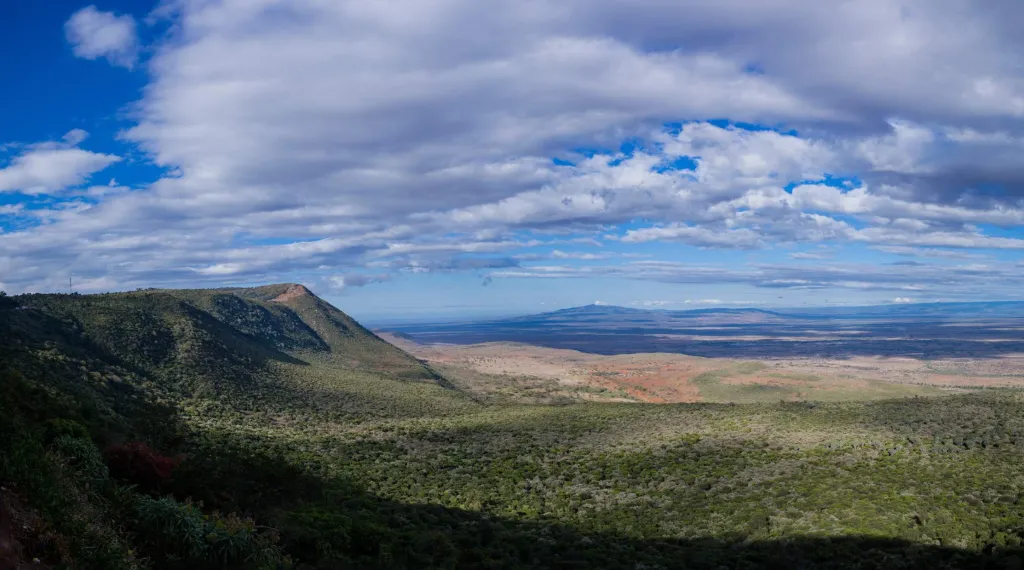
The Great Rift Valley, Kenya
The valley holds some of Kenya’s finest lakes, mountains and plains, and it is hard to travel the country without crossing it. The system runs around 6,000 km. It also has a deep human history: this is one of the places where our species began.
What is the Great Rift Valley?
The Great Rift Valley is a chain of valleys running through much of eastern Africa and into south-western Asia. It is a huge depression in the land, formed roughly twenty million years ago when two parallel fault lines pulled apart.
The walls rise about 2,000 metres in places, and most of the valley is 30 to 100 km wide. Along it are lakes and both active and extinct volcanoes.
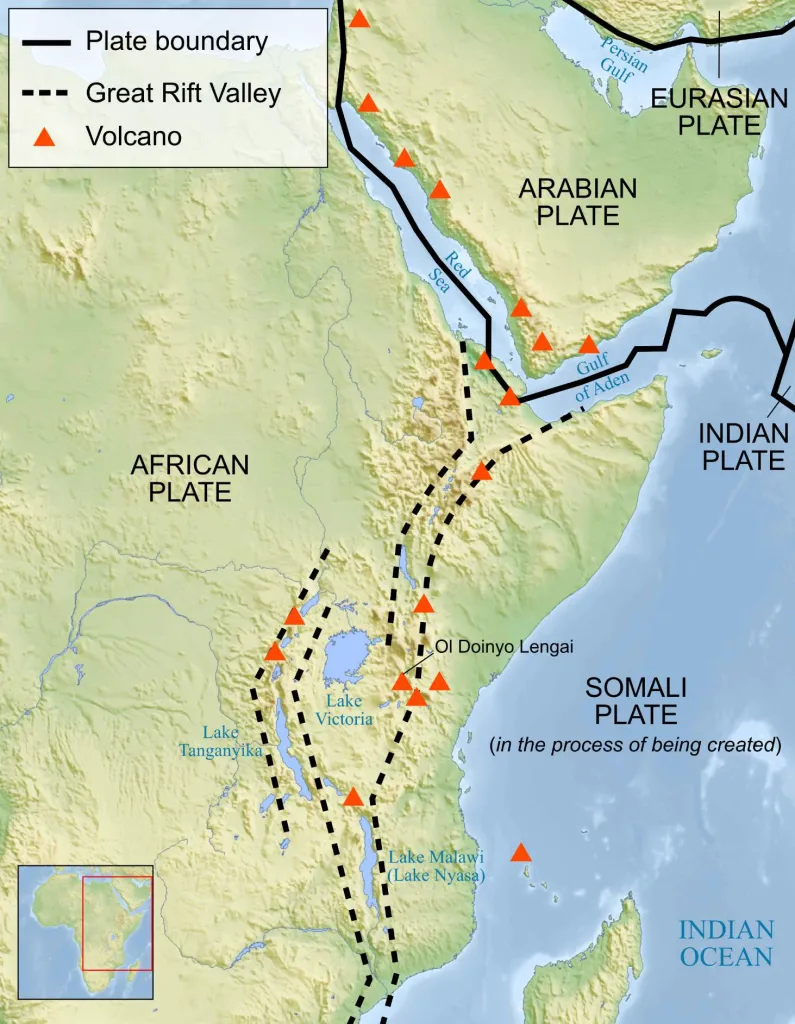
A map depicting the Great Rift Valley
In East Africa the valley splits into a western and an eastern branch. The western branch runs along the eastern edge of the Democratic Republic of the Congo and holds two of the world’s deepest lakes, Tanganyika and Nyasa (Lake Malawi).
The eastern branch runs through Ethiopia, Kenya and Tanzania. Some of the earliest known human remains have been found along it, and the valley is large enough to be clearly visible from space.
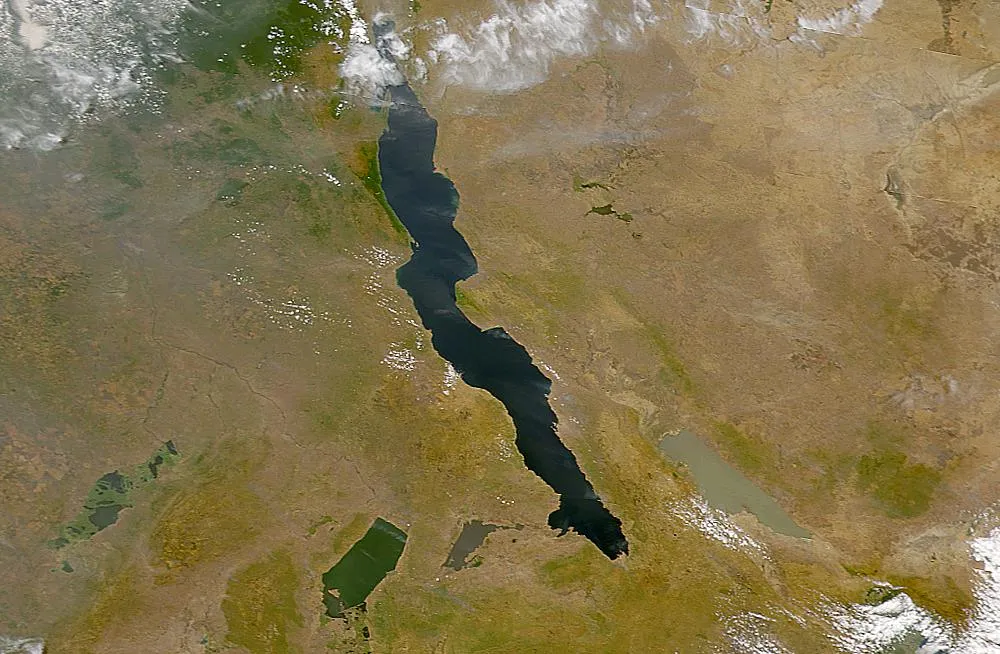
The Great Rift Valley captured from space
In Kenya the valley is deepest north of Nairobi. Seven lakes lie along its length. Because they have no outlet to the sea, most are shallow and mineral-rich, and all but two are undrinkable.
How it formed
The valley is explained by plate tectonics. The earth’s outer shell is broken into about 30 rigid plates. They move against each other by roughly 1 to 10 cm a year, colliding, pulling apart or sliding past. That movement, with erosion and volcanic activity, shaped the valley.
In the very long term, the rift may widen enough to let in a new ocean and split eastern Africa from the rest of the continent.
How it was mapped
The Royal Geographical Society sent an expedition to the region in search of the source of the Nile. The Austrian geologist Eduard Suess used the reports to develop his theory of the rift, publishing a paper in 1891 that linked the geology of Syria and Malawi to connected movements in the earth.
The British explorer John Walter Gregory later confirmed Suess’s tectonic interpretation, noted the similarity between the African rift and the Red Sea, and argued they were connected. Gregory coined the term still used for the whole African rift.
People of the valley
The Maasai were the most recent people to settle the region before Europeans arrived, living on both sides of the valley for centuries. Colonial settlement pushed them off much of their grazing land and into a southern reserve, part of which is now Amboseli National Park.
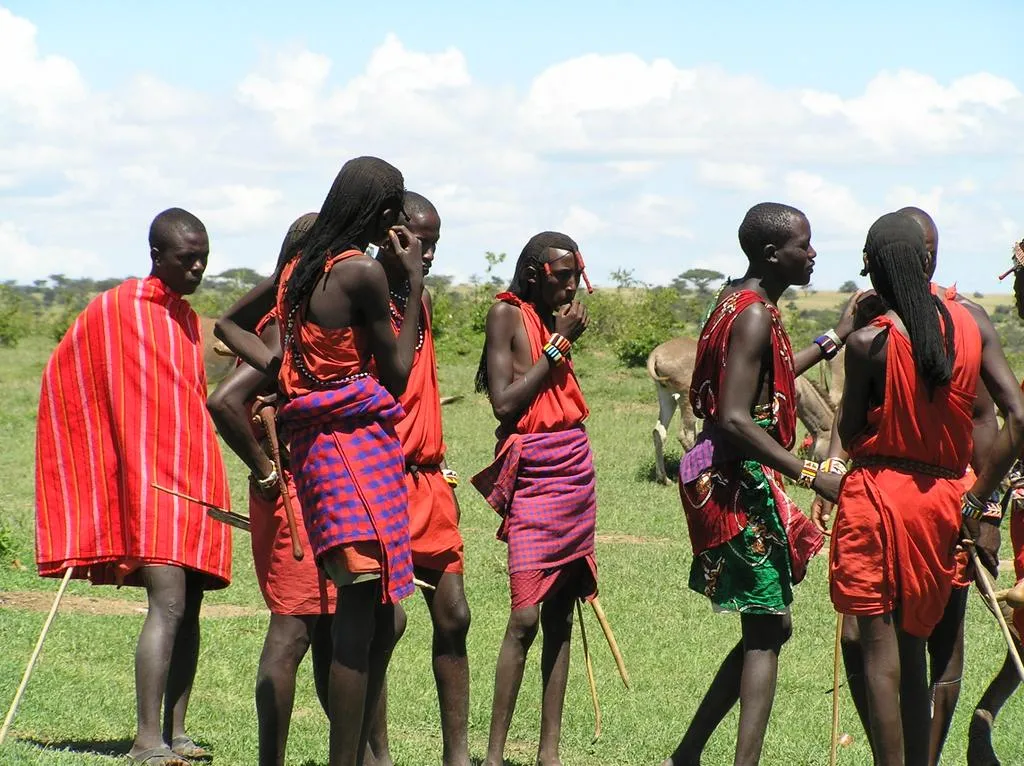
Maasai Men
Today many Maasai have returned to the valley, and they keep their most traditional way of life in southern Kenya.
Places to see
The Great Rift Valley holds some of central Kenya’s wildest scenery: lakes, winding roads, high ground and a lot of wildlife. A few of the best stops:
Lake Baringo
A calm freshwater lake with around 470 recorded bird species. Depending on the light, its surface shifts through a range of colours.
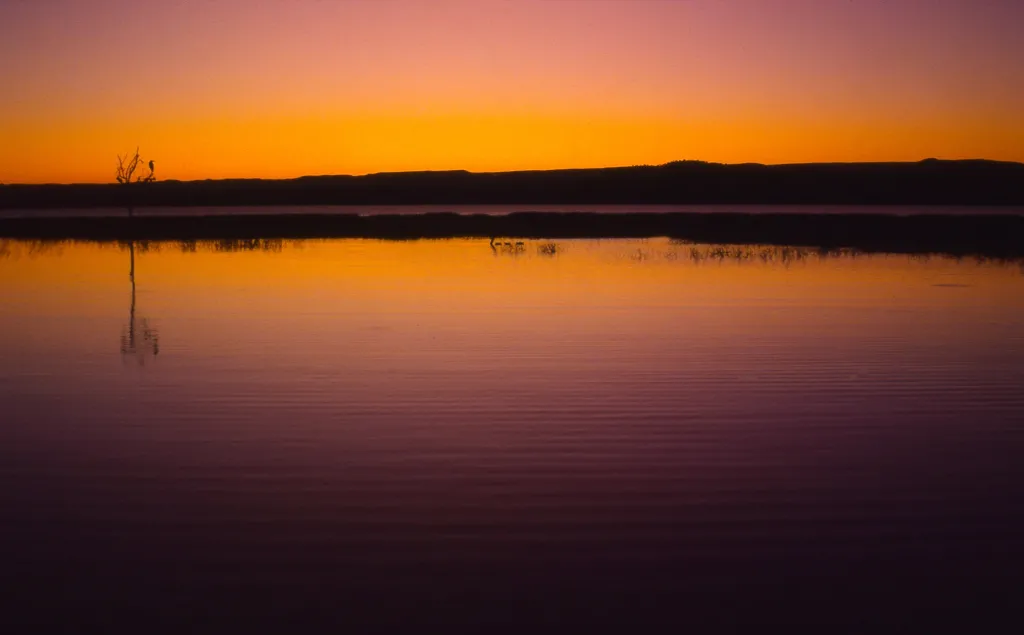
Early morning at Lake Baringo, Great Rift Valley, Kenya
Lake Bogoria
A saline, alkaline lake that is now a major feeding ground for lesser flamingos. From the shore you can spot greater kudu, buffalo, impala, zebra and Grant’s gazelle, among others, and it is known for its hot springs.
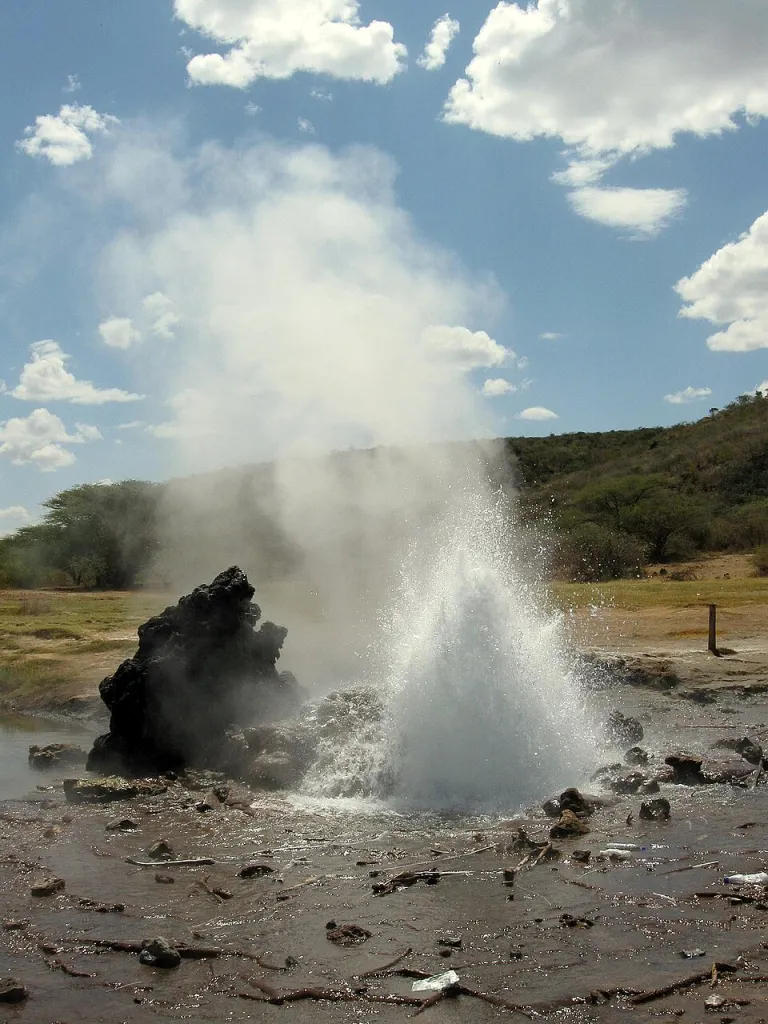
Hot Springs at Lake Bogoria
Lake Elmenteita
A shallow soda lake ringed by the broken walls of old volcanoes. It is the only breeding site in East Africa for the great white pelican, which nests on rock islands in the lake.
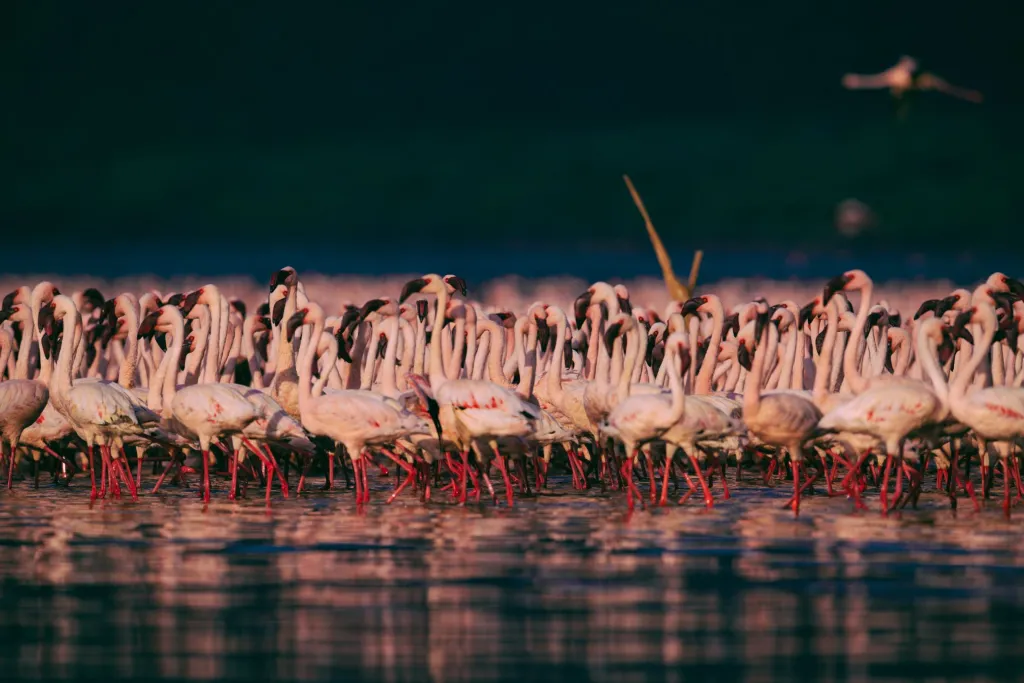
The beautiful Lake Elmenteita
Lake Naivasha
Lake Naivasha is one of the valley’s freshwater lakes, backed by hills with rafts of papyrus on the water. Hippo, giraffe, waterbuck and zebra are common around its shores.
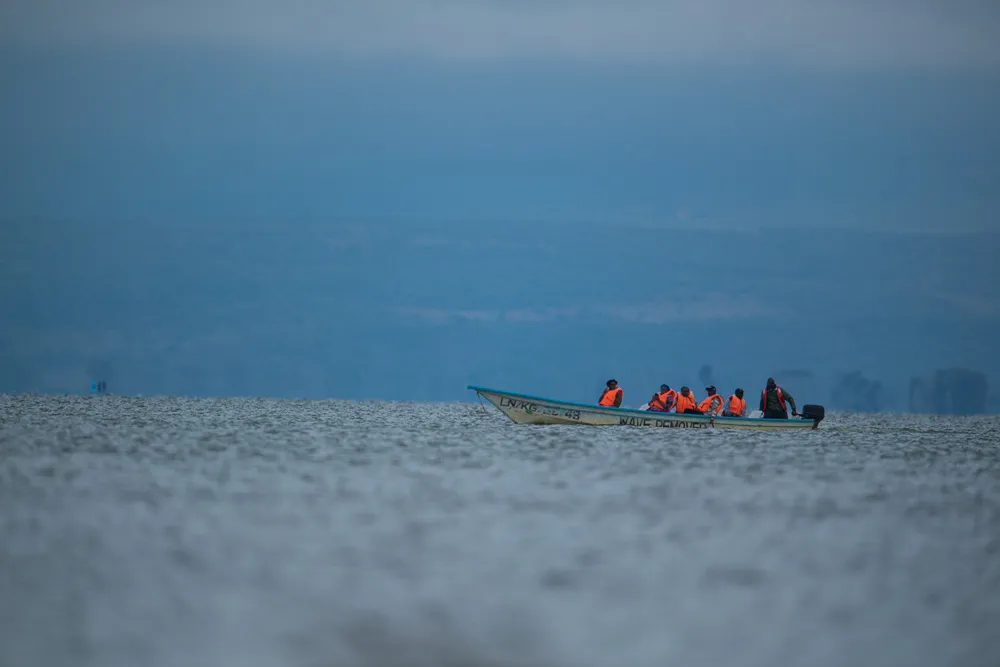
A cloudy day at Lake Naivasha
Lake Nakuru National Park
Lake Nakuru was once famous for huge flocks of flamingos, but after 2013 rising water diluted the lake and most moved on to lakes Bogoria and Elementaita. The park is now best known as one of the most reliable places in Kenya to see both black and white rhino, along with Rothschild’s giraffe, lion and leopard.
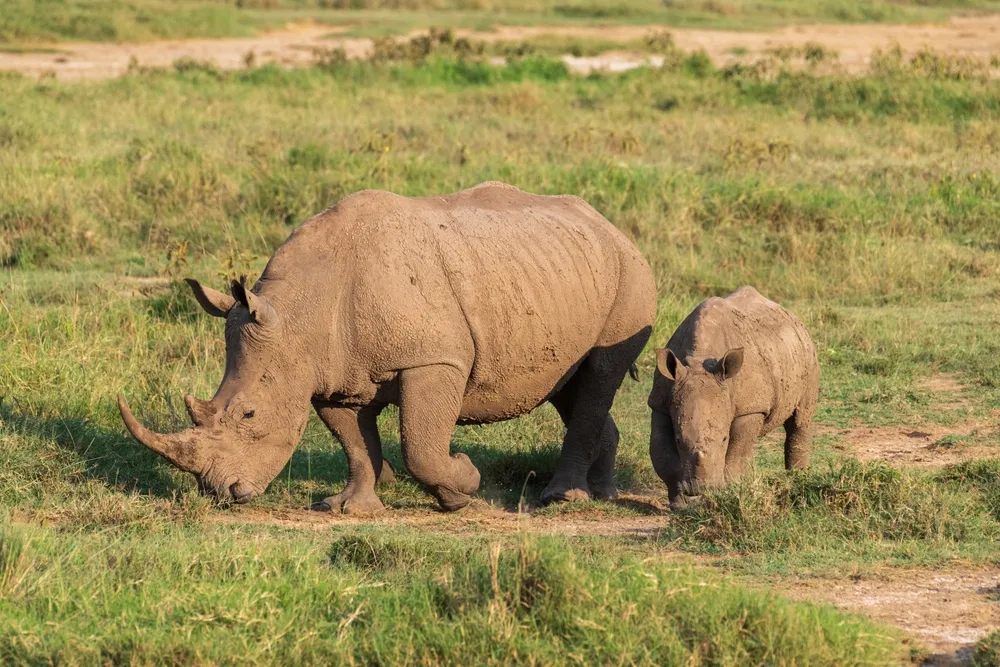
White rhino at the scenic Lake Nakuru National Park
Hell’s Gate National Park
Named for its geothermal activity, Hell’s Gate has towering cliffs, gorges and steam vents, and you can walk or cycle among buffalo, zebra and Thomson’s gazelle.
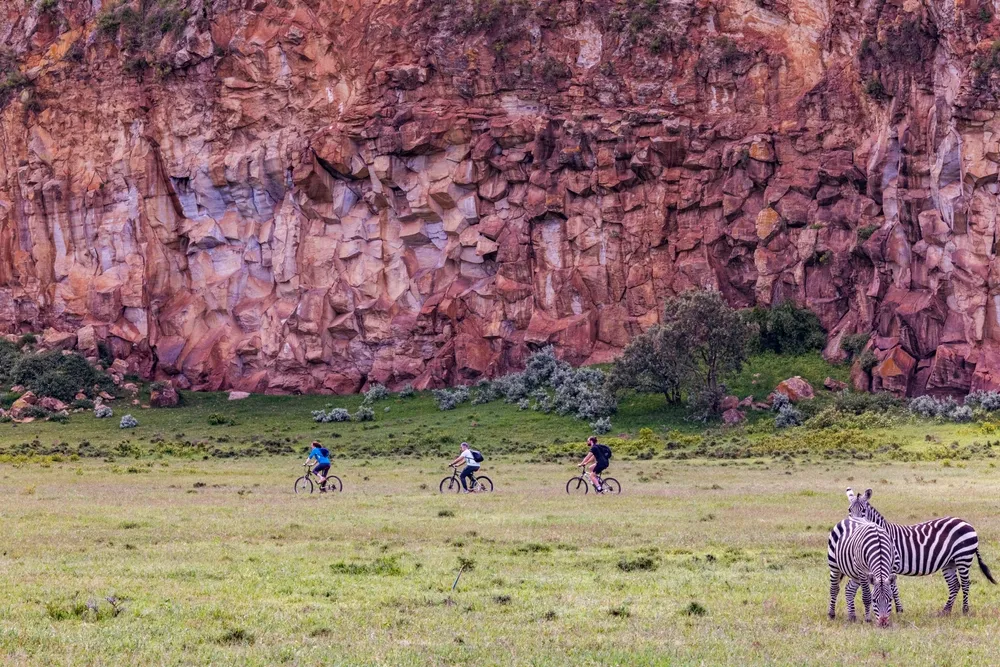
Hell’s Gate National Park
The Great Rift Valley is a complicated system and a genuine geological landmark. It is worth putting near the top of a Kenya trip.
A cultural mix
The valley is home to several communities, each with its own traditions. The Maasai are known for their beadwork, dress and cattle-herding. The closely related Samburu also herd cattle and are known for their dances and beadwork. The Kikuyu, Kenya’s largest group, are mainly farmers with a strong tradition of music and storytelling. The Kalenjin, farmers and herders, have produced many of the world’s best distance runners. The Turkana, in the arid north, are herders and fishers known for their distinctive hairstyles and beadwork.
These communities have lived here for generations and passed their traditions down the line. In recent years the valley has also become a popular place to travel, for its landscapes as much as its culture.
If you loved reading this story, then subscribe to our blog here (it will ask to verify your email) to get inspiring travel stories and trivia delivered to your email. Stories about wildlife trivia, cultural experiences, curated luxury hotel lists, underrated places to travel, polar journeys and much more.