Bandhavgarh National Park, in the Umaria district of Madhya Pradesh, became a tiger reserve in 1993. With a core area of 716 square kilometres, it is rich in wildlife, and it has one of the highest tiger densities of any reserve in India. Its grasslands and bamboo forests make tigers easier to spot than in many parks. Here are some of the best-known tigers of Bandhavgarh, whose stories are as much a part of the place as the park itself.
Charger and Sita
Named for his habit of mock-charging elephants and tourists, Charger was the first strong male in the area in the 1990s. One of the most photographed tigers in the world, he even appeared on the cover of National Geographic. After ousting the then-dominant male, Banka, over several nights of fighting, he took over the area and ruled from 1991 to 1999 with his mate, Sita. Almost every tiger in Bandhavgarh today descends from the two of them. Sita died of poaching wounds, and Charger died of old age in 2000, after which he was buried at what is now called Charger Point.
B1, B2 and B3
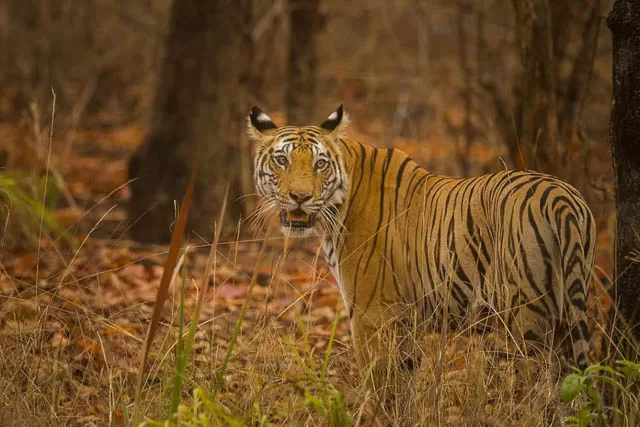
B2, a son of Charger and Sita, was the dominant male between 2004 and 2007, having fought his own father for the territory. He was one of the most dominant tigers the park has known. He disliked harsh sounds, such as vehicles, and was reported to charge them more than once. In old age he fought another male and was badly injured, and he died while being taken for treatment. His brothers B1 and B3 held ranges outside B2’s territory, never able to challenge him. B1 later died of electrocution, and poachers killed B3.
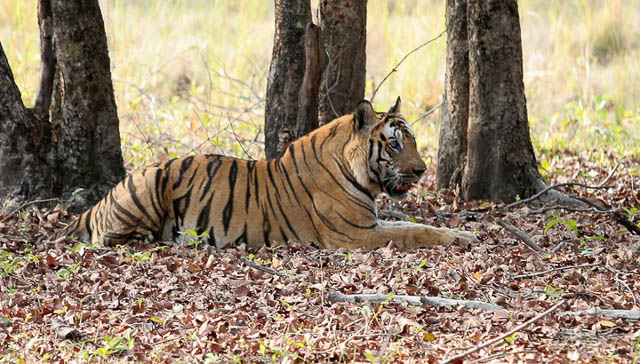
Other descendants of Charger and Sita included Langru, known for his limp, who was cared for by his parents even at four years old, along with Pyari, Reshma and Mohini. Mohini was a strikingly marked tigress who mated with the male Mahaman; she died of wounds from a vehicle accident.
Bamera
B2 fathered Bamera with a female from the Siddhababa area. First seen in 2008, Bamera became the dominant male after B2’s time ended. Until his death, he was one of the most prominent tigers in the park, and sightings of him were fairly common.
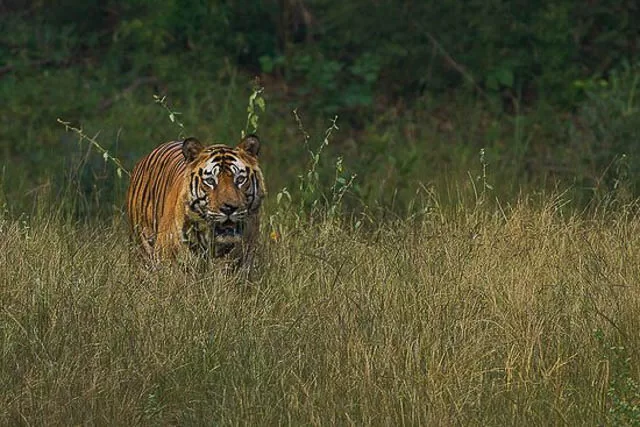
Bokha
Bokha holds the Magdhi area of Bandhavgarh, and visitors have reported seeing his large pugmarks on safari. He is named for a broken tooth, the result of a fight with another tiger, and he clashed often with B2 from the Tala zone.
Spotty and Dotty
Spotty, a bold tigress of the Tala area, is named for a “T” mark above her right eye. She is the daughter of the male Blue Eyes and the female Sukhi Pateeha, both descended from Charger. She has raised three females, now grown and moved on, and her mate, Mangu, is the dominant male of Tala. Spotty shares the area with her sister, Dotty.
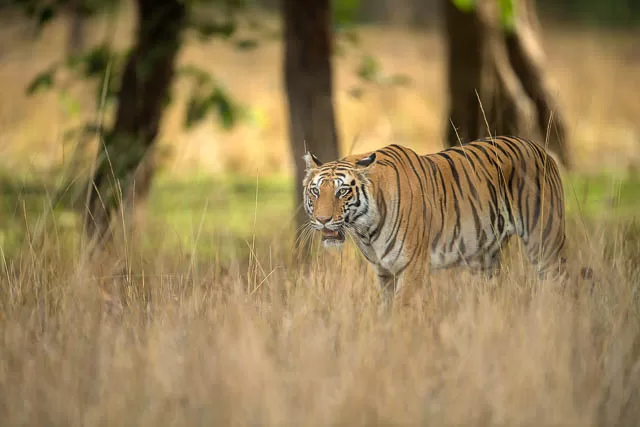
Other tigers often seen in the Tala and Magdhi areas include Banbehi, Mirchaini, Rajbehra, Mahaman, Damdama and Sukhi Pattiya. Many cubs are now sub-adults, while some have grown up and moved on.
If you loved reading this story, then subscribe to our blog here (it will ask to verify your email) to get inspiring travel stories and trivia delivered to your email. Stories about wildlife trivia, cultural experiences, curated luxury hotel lists, underrated places to travel, polar journeys and much more.