Kenya has been at the front of safari tourism for decades, and for good reason: it packs the Big Five, the world’s largest land migration and a lot of variety into a single country. Here are nine of its best parks.
Masai Mara National Reserve
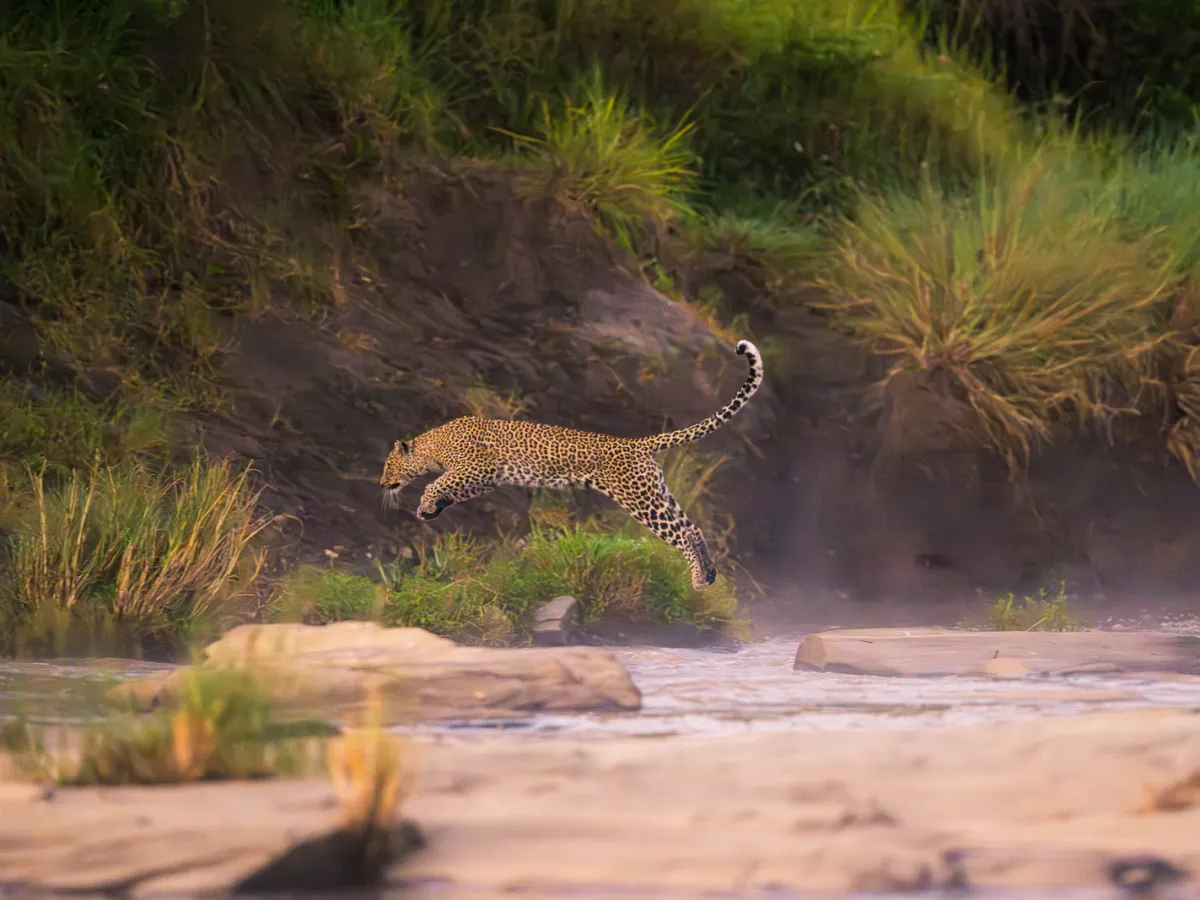
The Mara is Kenya’s most famous reserve, classic savannah with a dense wildlife population. You have a strong chance at four of the Big Five — lion, leopard, buffalo and elephant — with black rhino present but scarce. Predators are plentiful, so chases are common.

Its headline event is the wildebeest migration. Each year over a million wildebeest, with zebra and gazelle, move between the Serengeti and the Mara, running the gauntlet of river crossings and predators. The herds are usually in the Mara from about July to October.
Amboseli National Park
If you are short on time, Amboseli is a good bet. It is small but scenic, with Kilimanjaro rising behind the plains, and it is best known for its big elephant herds — more than 1,500 animals.

After a drive, Observation Hill gives a wide view over the park and its swamps, and a hot-air balloon ride is an option for a view from above.
Samburu National Reserve
Where the Mara has the Big Five, Samburu has the ‘Special Five’, all suited to its dry north: the gerenuk, Somali ostrich, Grevy’s zebra, reticulated giraffe and Beisa oryx.

It is a quieter reserve with relaxed game drives, and you can meet the Samburu people who live in the area.
Hell’s Gate National Park
Hell’s Gate is unusual: with no big predators, you can walk, hike and cycle among the wildlife. The scenery is dramatic, with gorges, cliffs, rock towers and geothermal steam.
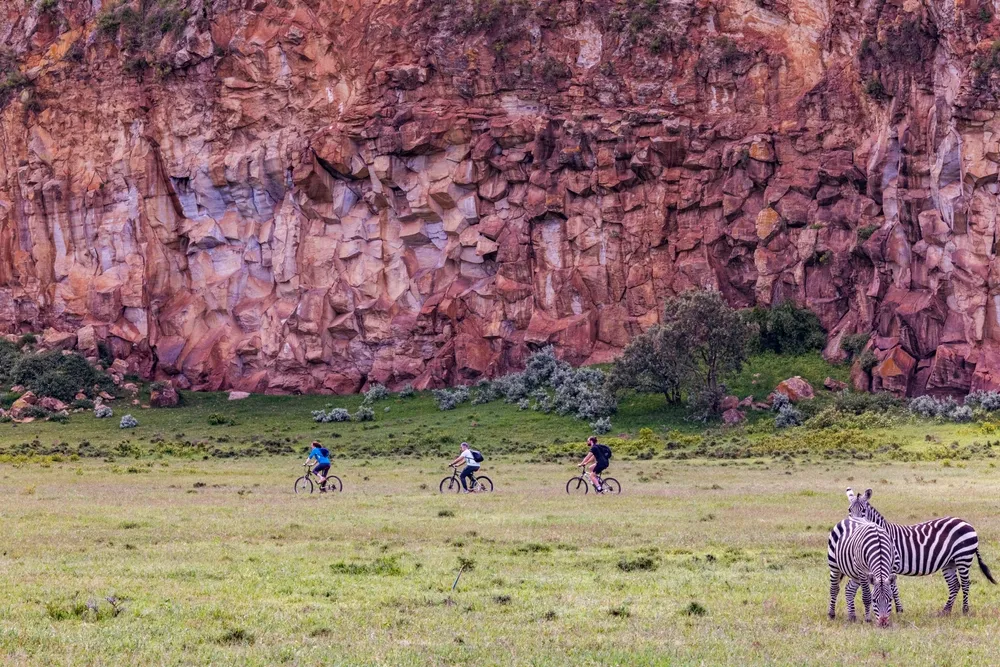
You can rock-climb at Fischer’s Tower, cycle the buffalo circuits, hike the Ol Njorowa gorge and walk near the hot springs.
Meru National Park
Meru is an underrated, little-visited park with genuinely wild country. It is where Joy Adamson raised Elsa, the lioness of Born Free.
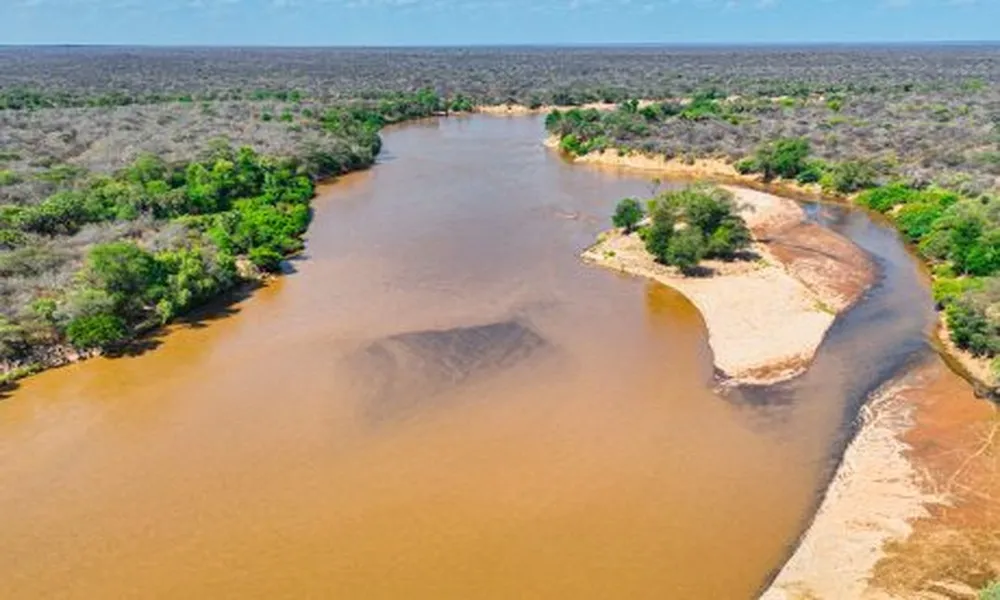
Few tourists means a quiet, remote feel. Rivers, swamps, grassland and forest give it variety, with good wildlife and birdlife throughout.
Tsavo National Park
Tsavo is really two parks, Tsavo East and Tsavo West, split by the main road, and together they form Kenya’s oldest and largest protected area. It suits travellers after a rugged, less-manicured safari. Tsavo West is greener and denser, which makes game harder to spot but rewarding; its Mzima Springs are known for clear water and hippos.

Tsavo East is more open, with good general game including the Big Five and its famous dust-red elephants. The Yatta Plateau, along the park’s western edge, is one of the world’s longest lava flows at around 290 km.
Aberdare National Park
Aberdare sits high in the central highlands, from about 2,000 to 4,000 metres, a mix of forest, bamboo, moorland and waterfalls.

Besides game drives it is good for hiking, and it is known for its forest species — bongo, giant forest hog and the occasional black leopard — and for its tree lodges, Treetops and The Ark, where you watch animals come to floodlit waterholes at night.
Lake Nakuru National Park
Nakuru is a Rift Valley lake park with rich birdlife. It was long famous for its flamingos, but after 2013 rising water diluted the lake and most moved on to lakes Bogoria and Elementaita, so the old pink-blanket spectacle is largely gone. Around 450 bird species are still recorded here.

Its main draw now is rhino: it is one of the most reliable places in Kenya to see both black and white rhino, along with lion, leopard and Rothschild’s giraffe.
Nairobi National Park
With the city’s skyscrapers on the horizon, Nairobi National Park sits on the edge of the capital. It is the most accessible park in the country, and because it is small the wildlife is concentrated. It is ideal for a quick safari on a layover or a short trip.
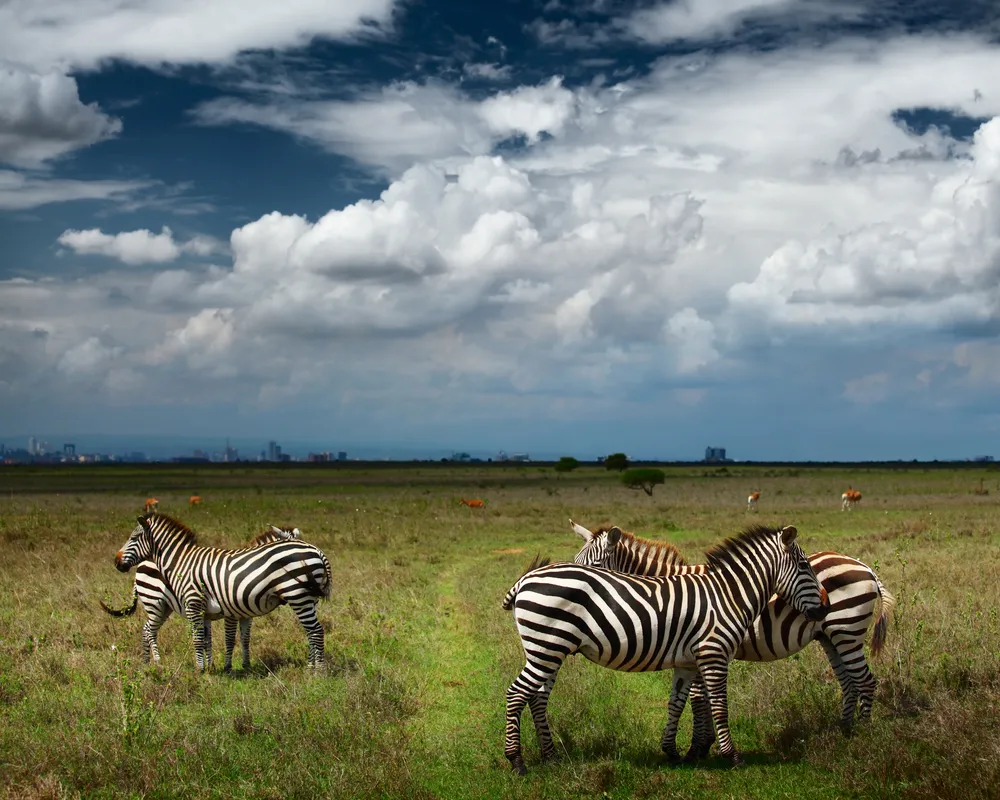
Between them, these parks cover a lot of ground: the migration in the Mara, elephants under Kilimanjaro at Amboseli, the dry-country species of Samburu, and easy game near the city. Any one of them makes a strong base for a Kenya safari.