Planning to go on a trip that includes both cultural highlights and wildlife viewing? If so, then Mozambique has to be on your list of must-visit places. This country borders the Indian Ocean, Tanzania, Malawi, Zambia, Zimbabwe, Eswatini, and South Africa. Like these neighbouring countries, Mozambique is a great place to see wildlife and has other attractions for travellers to enjoy. Let’s explore some of the top places in Mozambique, that await you.
Northern Region
Pemba
A little peninsula that extends into the large Pemba Bay, one of the greatest natural harbours in the world, is where Pemba, the gateway to the north, opens out. Despite having restaurants, supermarkets, banks, and patisseries, the area nonetheless has a run-down appearance due to its potholed streets.
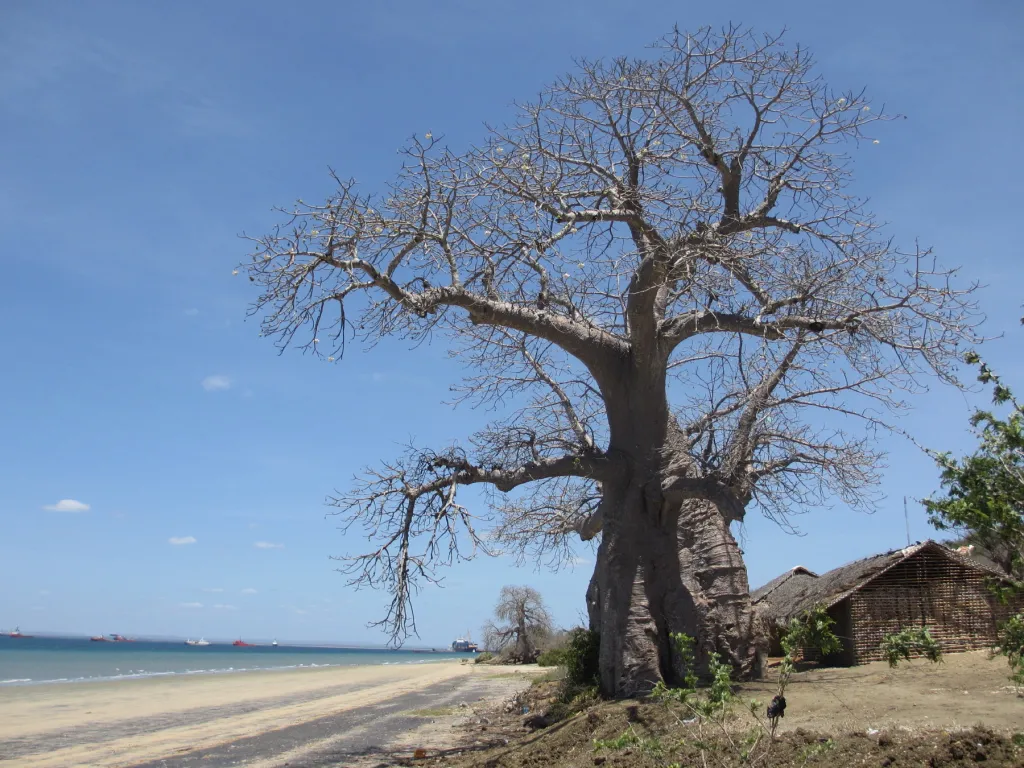
Pemba Beach
It is a sanctuary for enthusiasts of the beach and water sports equally because of its coral reefs and blue waters. Dive beyond the surface of the Indian Ocean’s dazzling beauty to discover vibrant marine life. Don’t miss the chance to see the Quirimbas Archipelago, a group of tropical islands.
Nampula
Nampula blends natural features with a strong cultural heritage. The beautiful Ilha de Mozambique (Mozambique Island), a UNESCO World Heritage Site, is located in the Nampula Province. The third-largest city in Mozambique is Nampula, which makes a great starting point for your exploration of the Northern Region. Nampula is one of the best places in Mozambique. Before continuing your journey, it is worthwhile to spend some time in Nampula because of its unique atmosphere and culture.
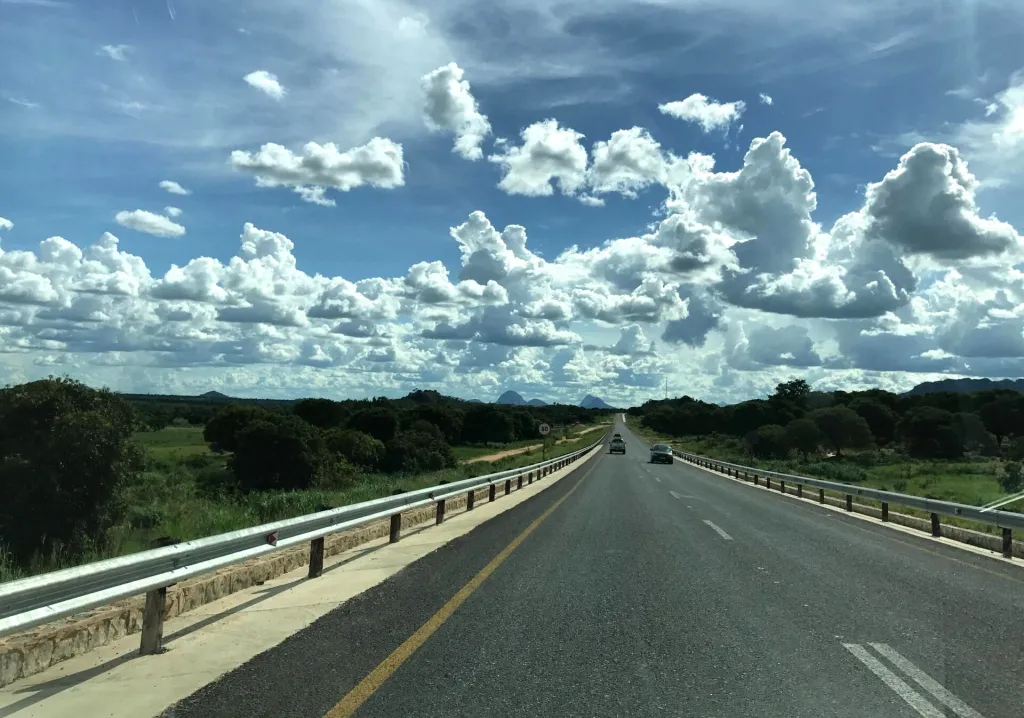
Nampula
Architecture lovers will enjoy the creamy-white cathedral and the ruins on Ilha de Moçambique (Mozambique Island), a tiny crescent-shaped island directly to the east of Nampula. On the other side, nature lovers will enjoy the volcanic rock formation that lines Nampula’s horizon, and the quiet scenery the area offers. This historic island’s Portuguese colonial buildings and developing local culture reflect Mozambique’s history and diverse heritage.
Central Region
Beira
Beira, the main city and capital of Sofala province, where the Pungwe River and the Indian Ocean meet, is in the central region of Mozambique. This port city is a mix of cultures and influences and has seen its share of hardships. Take a stroll along the palm-lined beaches to see this resilient city’s vibrant atmosphere.
Gorongosa National Park
Gorongosa National Park once was one of the best places to see wildlife in Mozambique. Sadly damaged by war, the park has made a striking recovery and now holds a wide variety of wildlife. Even though it has not yet fully recovered, the park is once more a fantastic safari destination today.
The park is a well-known ecotourism destination and a conservation success story that shows responsible community involvement at its best. The park offers game drives, guided game treks, waterfall hikes, sundowner excursions, and birding safaris among its other activities. Go on a safari to see how this African park is being restored.
Quelimane
Along the Zambezi River in Mozambique’s central area sits the city of Quelimane. The global community widely recognises Quelimane’s rich cultural environment, which combines Arab, African, and European elements. With a busy port and airport connecting it to other significant towns in Mozambique and the surrounding area, the city is also a significant hub for trade and transportation.
Discover the neighbourhood markets, enjoy delicious seafood, and soak up the beautiful views along the riverbank. This charming city offers an escape from the stress of today’s hectic lives.
Southern Region
Maputo
Maputo in Mozambique is a place which was one of the most attractive and fashionable towns in all of Africa. A stylish international ambiance, fine architecture, and broad, shady avenues lend their attractiveness to it. Portuguese colonial control heavily influenced it in the 18th century.
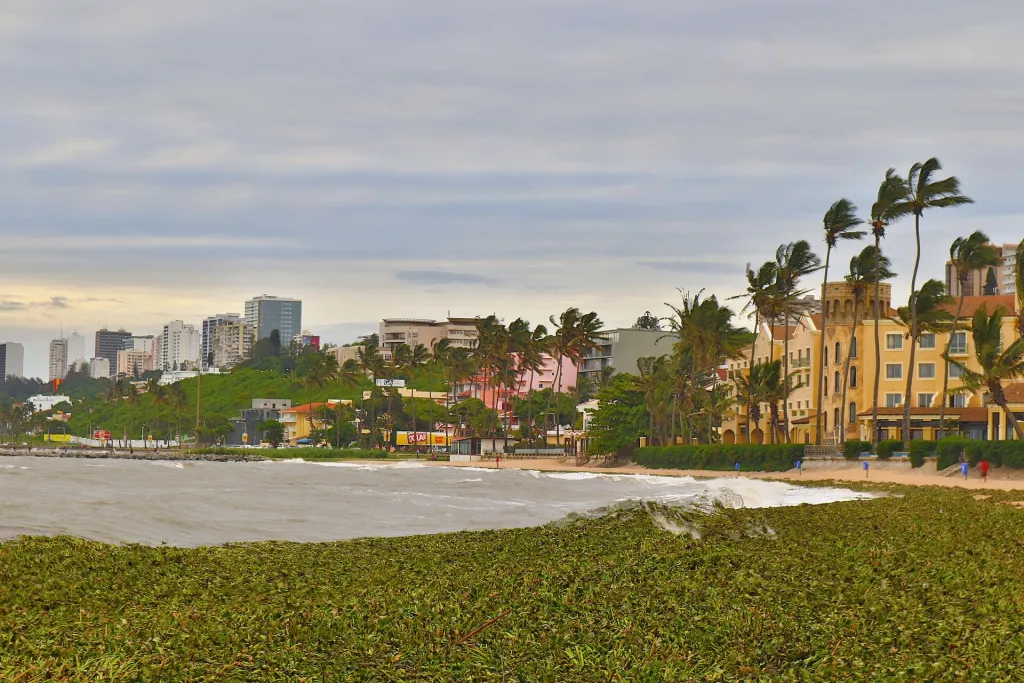
Maputo
The energetic capital city of Maputo is evidence of Mozambique’s fortitude and creativity. Colonial buildings and contemporary urban life blend together in this area. Discover shopping markets, indulge in delicious regional food, and take in the vibrant ambiance of this coastal city.
Inhambane
Mozambique’s beach town of Inhambane is a place of leisurely charm and natural beauty. The city of Inhambane is rich in history and culture, set along the shores of Inhambane Bay. It is known for its beaches, with warm, clear waters and swaying palm trees.
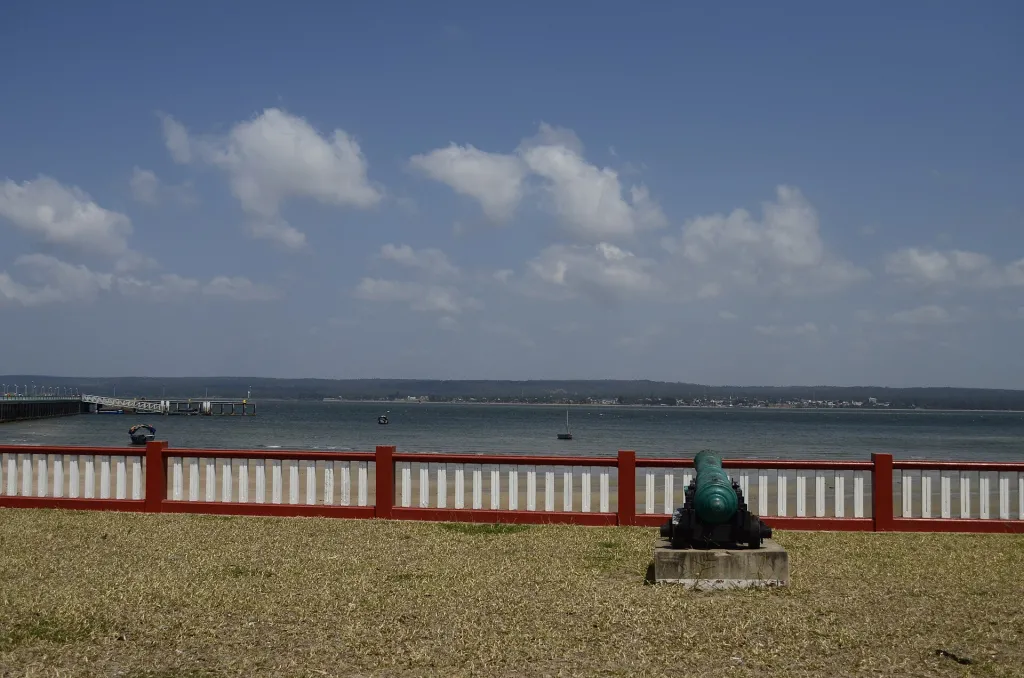
Inhambane
Its colonial architecture and cobbled pathways are evidence of centuries of marine trade and cultural interchange. Bright markets are vibrant with activity and offer a sample of local foods and crafts. Inhambane offers a mix of leisure and adventure, with a thriving local culture and fine natural surroundings.
Tofo Beach
Tofo Beach, which is only a short drive from Inhambane, attracts with its perfect, sun-kissed beachfront and beautiful waters. It is known for its white-sand beaches and inviting waters, and especially for its diverse marine life. Popular for encounters with whale sharks, manta rays, and other underwater wildlife, Tofo Beach is a top spot for diving and snorkelling.
Time appears to stand still as the waves touch the shore here, providing a peaceful haven for those seeking both adventure and relaxation. Tofo Beach is a haven where you can witness the beauties of the ocean up close.
Islands and Archipelagos
Bazaruto Archipelago
The Bazaruto Archipelago, off the coast of Mozambique, has soft sand dunes and clear waters. This group of unspoilt islands, fringed with palms and bordered by coral reefs, offers travellers a tropical escape.
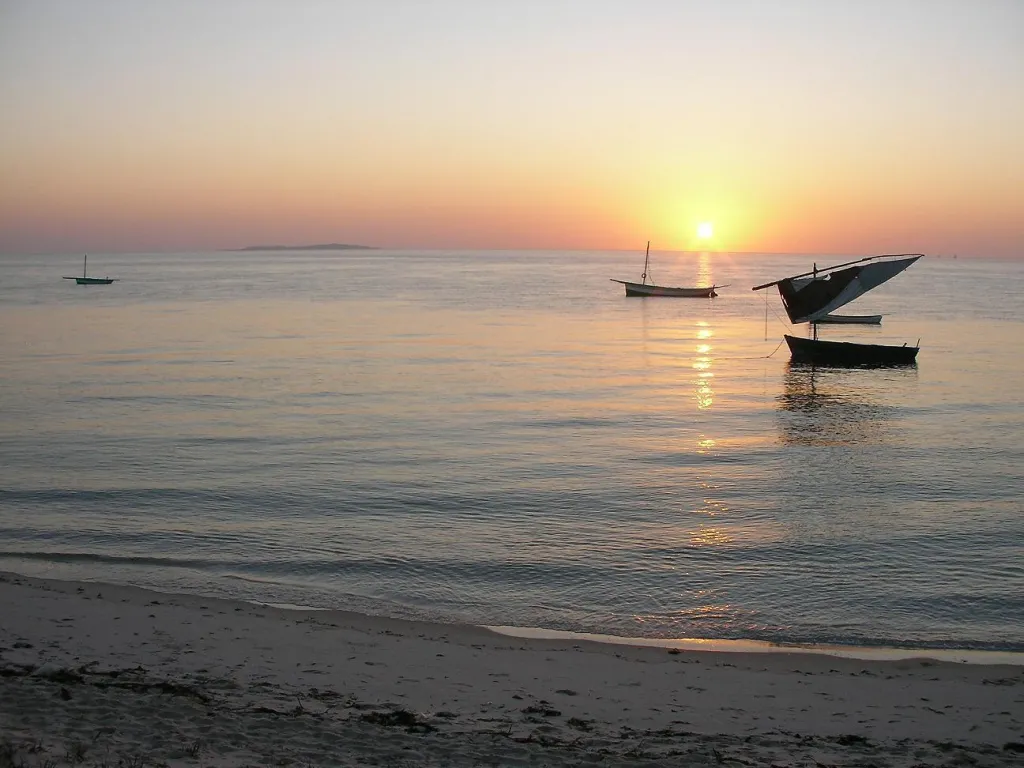
Bazaruto Archipelago
Experience the Indian Ocean’s crystalline embrace, where vibrant marine life plays among the coral gardens. Bazaruto is worth exploring, whether you want adventure in the turquoise surf or quiet on its isolated beaches.
Quirimbas Islands
The Quirimbas Islands lie off the northern coast of Mozambique. Here, unspoilt beaches and clear waters hold a diverse array of marine life, a haven for both adventurers and people looking for quiet.
Explore a vibrant underwater world with diverse species and colourful fish around the Quirimbas Islands’ lively coral reefs. It is a quiet place, with fine scenery and a calm atmosphere.
Historical and Cultural Sites
Fort of São Sebastião
On the island of Mozambique, Stone Town’s northernmost point is where you’ll find the Fort of São Sebastião. In sub-Saharan Africa, it is the oldest surviving fort that is still in existence. This large fort, built by the Portuguese in the 16th century, has a timeless feel. Its weathered stone walls, now covered in thick vines, house a large collection of artifacts and show the detail of Mozambique’s colonial past.
Visitors are transported back in time while taking in panoramic views of the Indian Ocean and exploring its beautifully carved rooms and strolling along the walls. This UNESCO World Heritage Site is a moving reminder of Mozambique’s diverse cultural heritage and its lasting connections to the sea.
Great Zimbabwe Ruins
The Great Zimbabwe Ruins, in south-eastern Zimbabwe, take tourists back in time to a flourishing ancient city. This UNESCO World Heritage Site, with its beautiful stone constructions and profound historical significance, is a monument to the creativity of early African civilisations.
It offers a fascinating look at the sophisticated civilisation that once flourished there, providing priceless insights into the long and varied history of Africa. For the people of Mozambique and the entire continent, they continue to be a source of pride and cultural legacy today.
National Parks and Reserves
Niassa Reserve
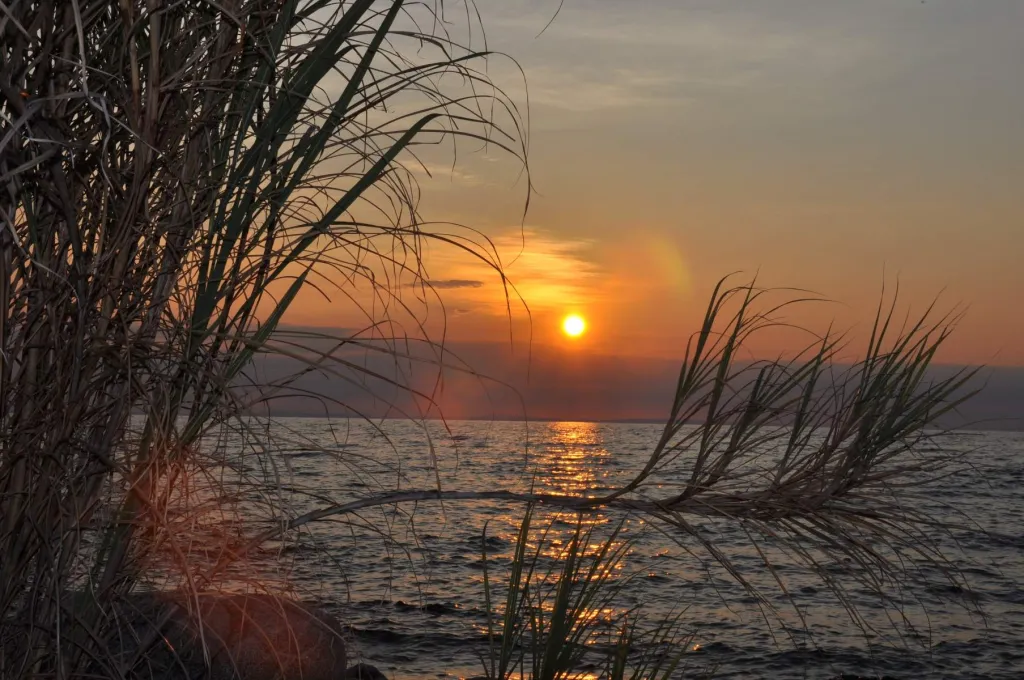
One of Africa’s largest protected areas, Niassa Reserve, serves as a home for a variety of wildlife. This beautiful environment, a habitat for wildlife from elephants to wild dogs, provides safari enthusiasts with outstanding opportunities. The reserve is excellent for photographers and offers fine shot opportunities.
Niassa Reserve
The reserve’s wild beauty attracts adventurous tourists and outdoor lovers to explore an authentically raw African wilderness where conservation efforts peacefully coexist with the untouched, natural environment. Explore Niassa’s unspoilt wilderness to experience nature at its most untamed.
Limpopo National Park
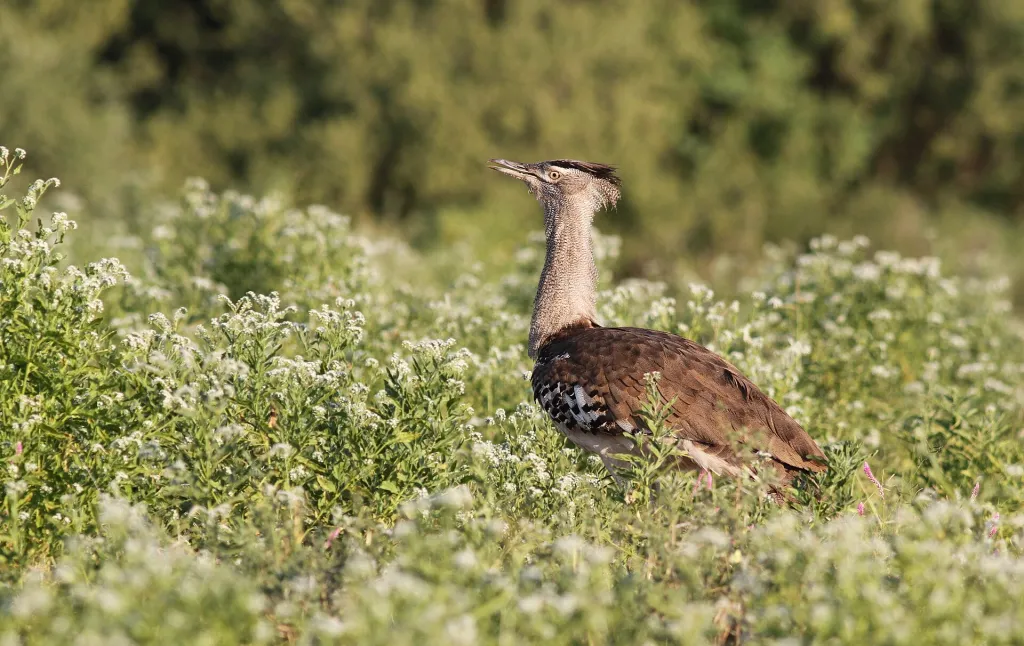
The Great Limpopo Transfrontier Park includes Limpopo National Park, which sits along the border with South Africa and Zimbabwe. This huge wilderness provides a haven for a variety of wildlife and offers exceptional chances for international conservation initiatives. Here, animals are allowed to travel freely across boundaries, giving tourists a rare chance to see nature in its natural state.
Limpopo National Park
Limpopo National Park provides amazing experiences with the fascinating fauna that make this wild region home, from towering elephants to secretive carnivores. Limpopo National Park appeals to anyone looking for a true African safari experience. Explore the rough terrain, follow historic elephant tracks, and take in the sounds of the wild.
Beaches and Coastal Attractions
Ponta do Ouro
Ponta do Ouro
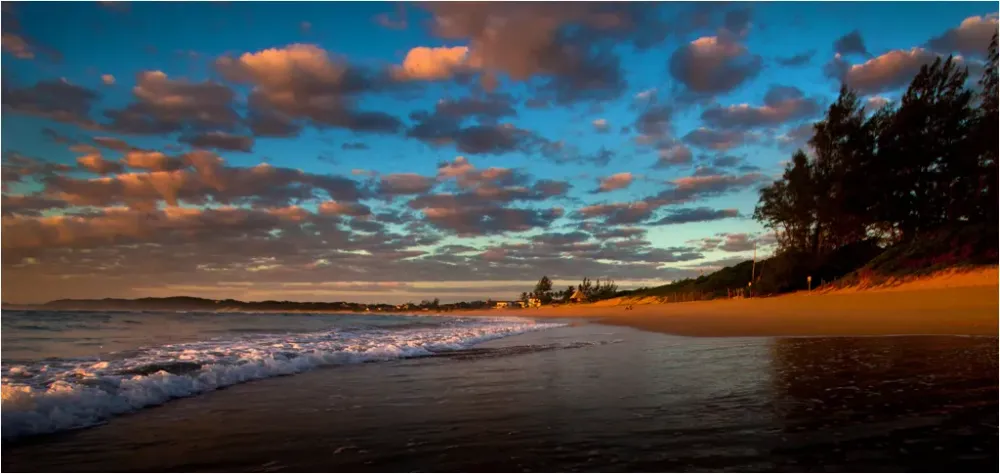
Ponta do Ouro, is a beautiful seaside village on Mozambique’s southern coast. It is well known for its beautiful beaches and plenty of marine life. In addition to offering pristine beaches, this coastal town also provides opportunities for surfing, diving, and encounters with dolphins and turtles. It is a sanctuary for beach lovers seeking adventure and relaxation because of its golden sands and turquoise waters.
Vilankulo
Vilanculous (also known as Vilankulo) is a beach town in the Vilanculous District of the Inhambane province. The town of Vilanculos is named after Gamala Vilankulo Mukoke, a tribal leader in the area. After gaining independence, the country changed its name from Vilanculos to Vilankulo, which was used during colonial times.
Both the district and the town are now known as Vilankulo. The Bazaruto Archipelago, a protected marine and cultural reserve backed by the World Wildlife Fund (WWF), is easily reached from Vilanculos in Mozambique. The town has fine beaches lined with palm trees on the azure Indian Ocean, good for leisurely strolls and quiet reflection. Vilanculos, a destination in its own right, combines isolation, coastal beauty, and cultural richness.
Adventure and Activities
Diving and Snorkelling
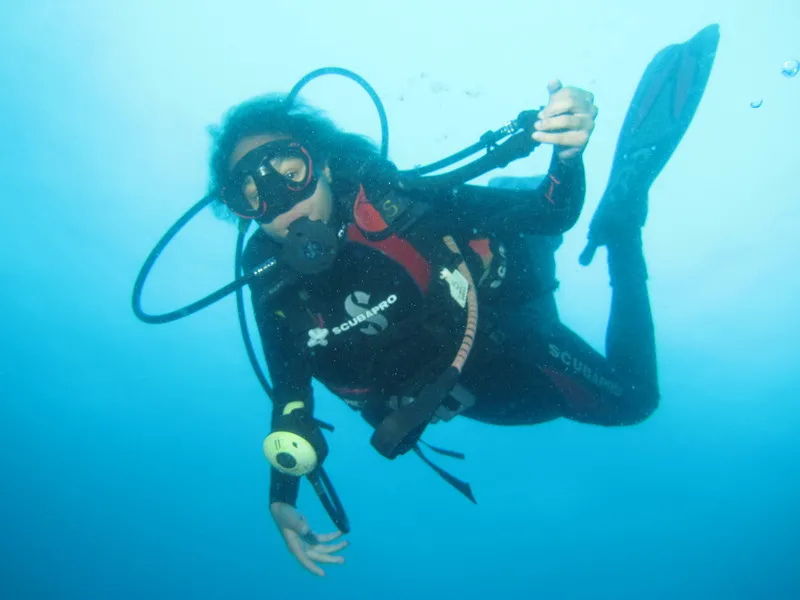
Mozambique’s coastline attracts divers and snorkellers from all over the world, as it offers a gateway to a rich underwater world. This African country offers an unmatched marine adventure with its warm, clear waters and flourishing coral reefs. Explore Tofo Beach to dive with beautiful manta rays and huge whale sharks.
Diving and snorkeling in Mozambique
Visit the Quirimbas Archipelago’s amazing coral gardens, where a variety of colourful fish dance through the turquoise depths. Mozambique’s underwater wonders make for a memorable experience, whether you’re an experienced diver or a first-time snorkeller.
Safari and Wildlife Viewing
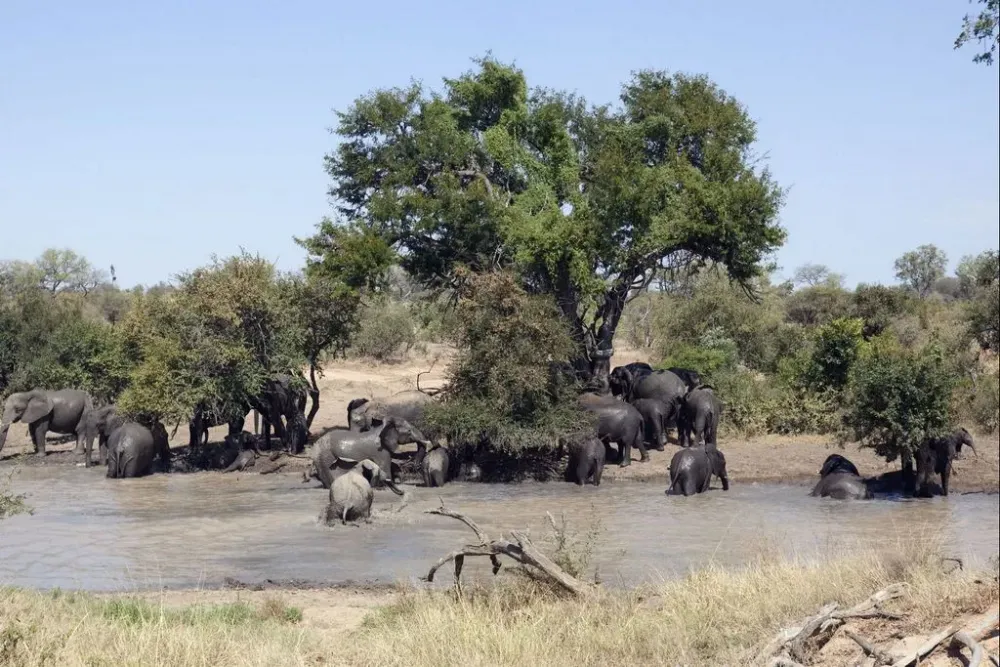
Wildlife in Mozambique
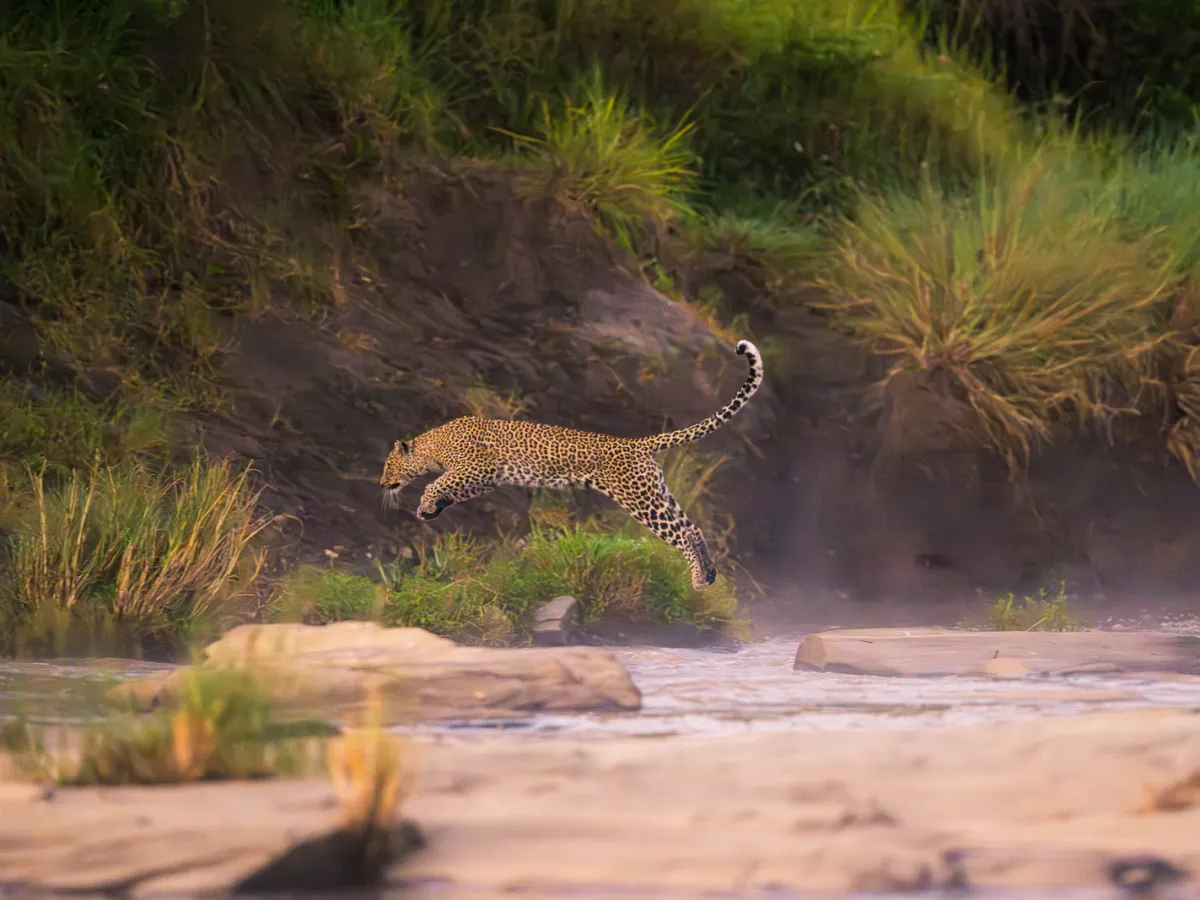
In Mozambique, going on a safari journey allows you to experience unique wildlife interactions and natural splendor. The nation’s national parks and reserves are home to a wide variety of animals. Including the huge Niassa Reserve and the border-spanning Limpopo National Park. From elephants grazing the savannah to big cats moving through the grasslands, there is a lot to see.
The sounds of the wild come to life as the sun sets over the African horizon, a lasting memory of Mozambique’s untamed nature. It is the kind of experience that stays with you.
Travel Tips and Guides
Visa and Entry Requirements
It’s important to be aware of the entry and visa procedures before beginning your adventure in Mozambique. Frequently, individuals often need to request a visa for entry into the country and can do so in advance through Mozambican embassies or consulates. Additionally, some travellers might qualify for a visa upon arrival, but it’s necessary to confirm your particular eligibility and prerequisites in advance. For a smooth entry into this charming country, be sure your passport is valid for at least six months after the day you plan to depart and that you have all the required documentation with you.
Remember to check with the Mozambican embassy or consulate, or visit the official government website for current visa and entry requirements before making travel plans.
For the latest updates and information on Visa and Entry requirements, kindly check out the link: https://www.ivisa.com/mozambique/blog/mozambique-visa-policy#visa-policy-for-mozambique
Local Cuisine and Dining Options
The delicious blend of various influences in Mozambique’s cuisine reflects the country’s rich history and richness along the coast. Enjoy the flavourful peri-peri prawns, a speciality of Mozambique: prawns marinated in a hot chilli sauce. Enjoy matapa, a creamy dish made from mashed peanuts and cassava leaves, for a sense of traditional comfort. Fresh catches adorn dishes in beach communities like Maputo and Vilankulo, where seafood reigns supreme. Try the famous peri-peri chicken, which is cooked to perfection and filled with a strong spicy marinade. For a true Mozambican dining experience, pair your meal with a refreshing R&R (rum and raspberry soda) or a locally crafted cashew wine.
Here are a few dining options in Mozambique:
- Dhow Cafe
- A Nossa Tasca
- Piri Piri
- Zambi Restaurant & Bar
- Mercado Central
Mozambique shows the riches of Southern Africa’s natural beauty, history, and warm hospitality. Every part of this country tells a story of resilience, from the beaches and unspoilt islands to the historical landmarks and abundant wildlife. So keep these places in Mozambique on your list for your next trip.
If you loved reading this story, then subscribe to our blog here (it will ask to verify your email) to get inspiring travel stories and trivia delivered to your email. Stories about wildlife trivia, cultural experiences, curated luxury hotel lists, underrated places to travel, polar journeys, and much more.