Sharks can look intimidating, but they are widely misunderstood. There are more than 500 species in the ocean, each different, and one of the best ways to learn what they are really like is to go shark diving.
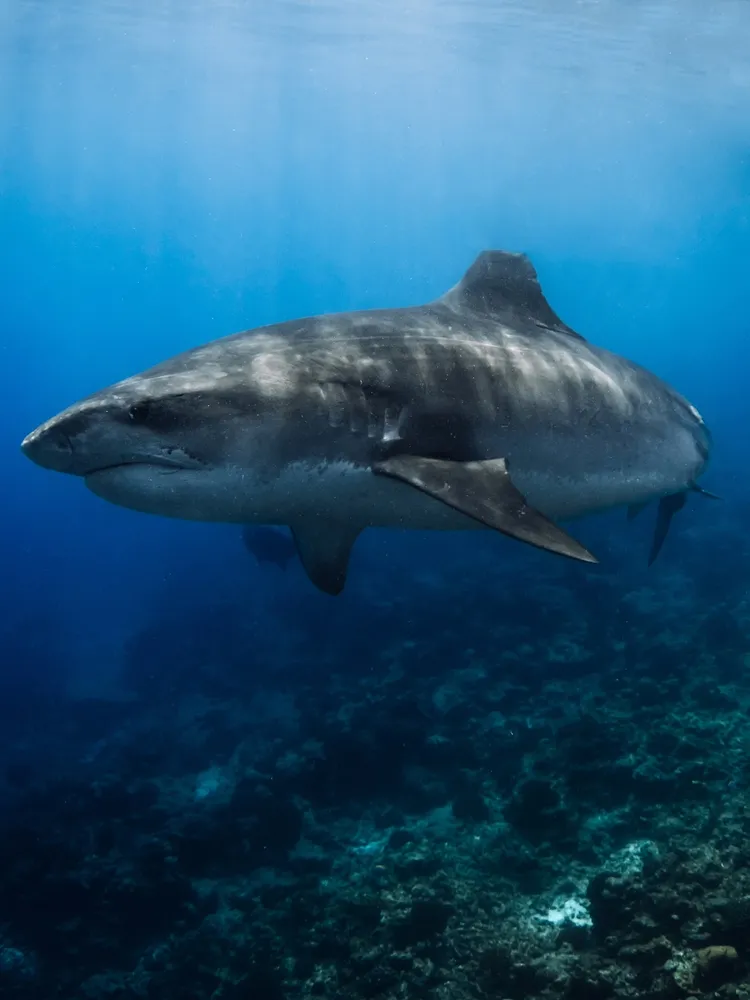
A whale shark swims among other fishes
Plenty of extreme sports draw thrill-seekers — skydiving, volcano boarding, heli-skiing and the rest — but few match the pull of shark diving, where you get into the water with them.
It can look frightening, and divers may feel exposed swimming near large sharks, but it is a rare experience. Shark attacks on divers are very uncommon, and almost unheard of if you go with a responsible operator and follow the instructions.
How does shark diving work?
There are two main ways to do it.
1. Shark cage diving
This is the most common way to dive with sharks, and both divers and non-divers can take part.
It is also the safest, letting you watch sharks from close up. A steel cage is fixed to the boat and holds at least four people. Once it is lowered and submerged, you can watch the sharks circle within a few feet of the bars.
The cage is a sturdy barrier between you and the sharks. You need only basic scuba equipment, which the operator provides: a wetsuit, a snorkel, and scuba gear if you are certified. When the sharks arrive, you usually watch them for 20 to 30 minutes as they swim around you.
2. Open-water diving
This is the more extreme option: swimming with sharks in the open, with no cage and no line back to the boat, just you and the sharks. It is one of the best ways to get close to them and understand them.
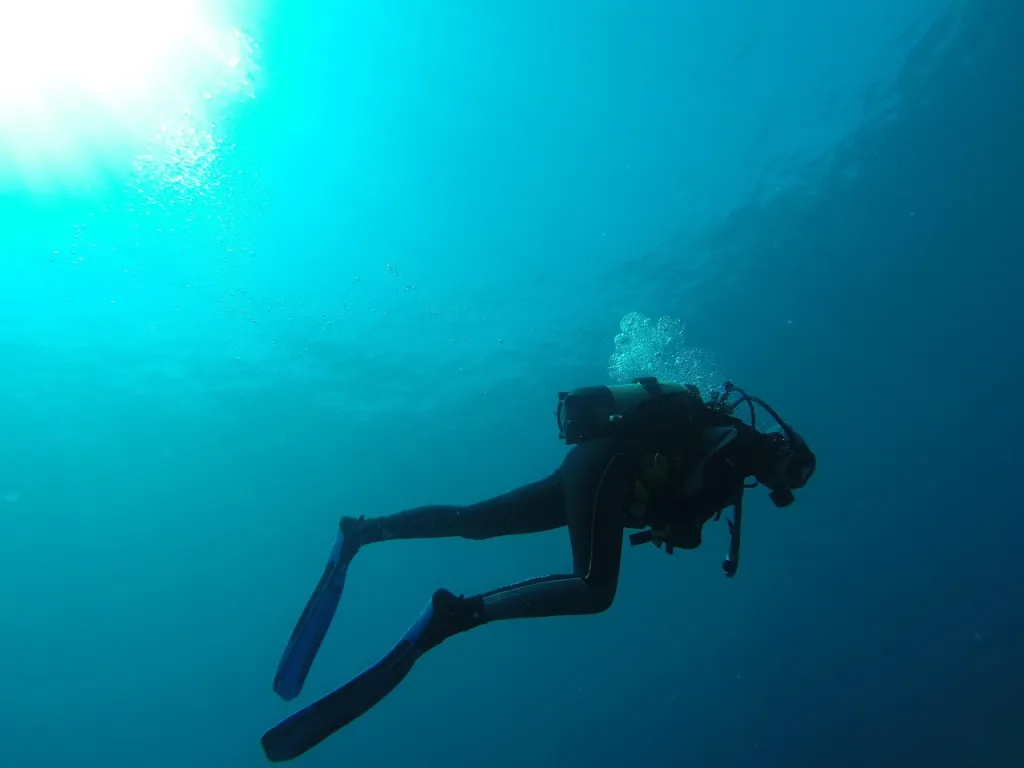
Open water diving
Only a few places offer open-water shark diving, and unlike cage diving you cannot simply jump in. To be cleared to swim with sharks, you need an advanced open-water certification and the right scuba equipment.
Many places around the world offer shark diving. Here are five of the best.
1. Isla Guadalupe, Mexico
Isla Guadalupe is one of the finest places to dive with great white sharks. The volcanic island lies about 150 miles off the Baja California Peninsula, is uninhabited, and is reached only by liveaboard.
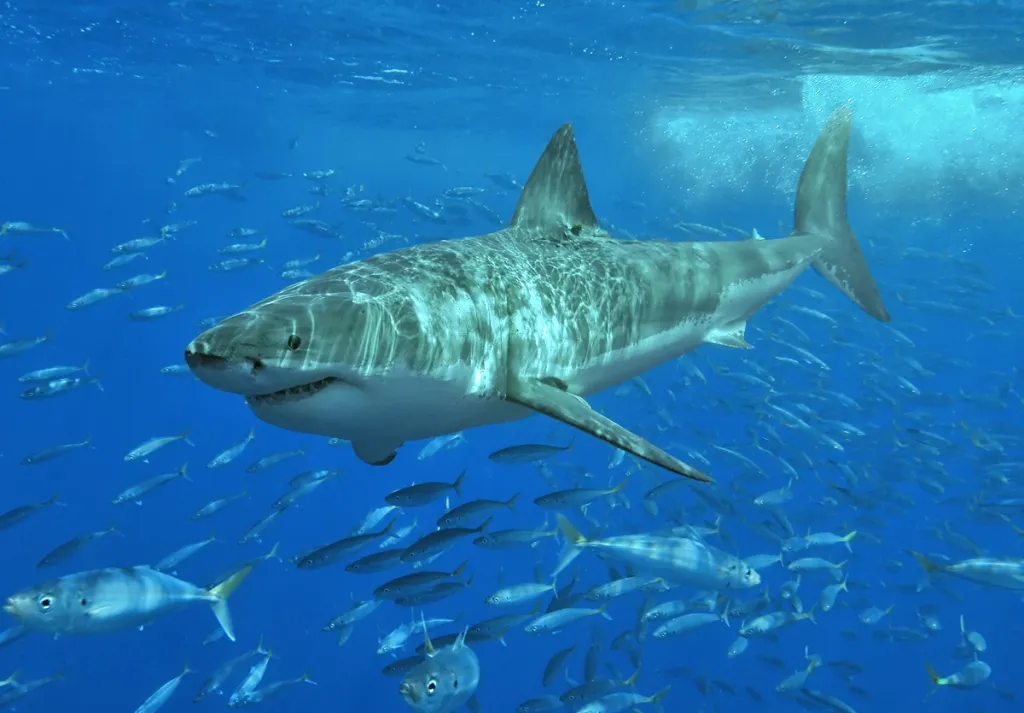
A Great White Shark in Isle Guadalupe
Several boats run cage dives here, with clear water and good conditions for divers and non-divers alike. The best months are July to November. (Note: in recent years the Mexican authorities have restricted shark-cage diving at Guadalupe, so check the current rules before planning a trip.)
2. Dyer Island and Gansbaai, South Africa
Gansbaai has long been called the white shark capital of the world. It sits on the coast at South Africa’s south-western tip.
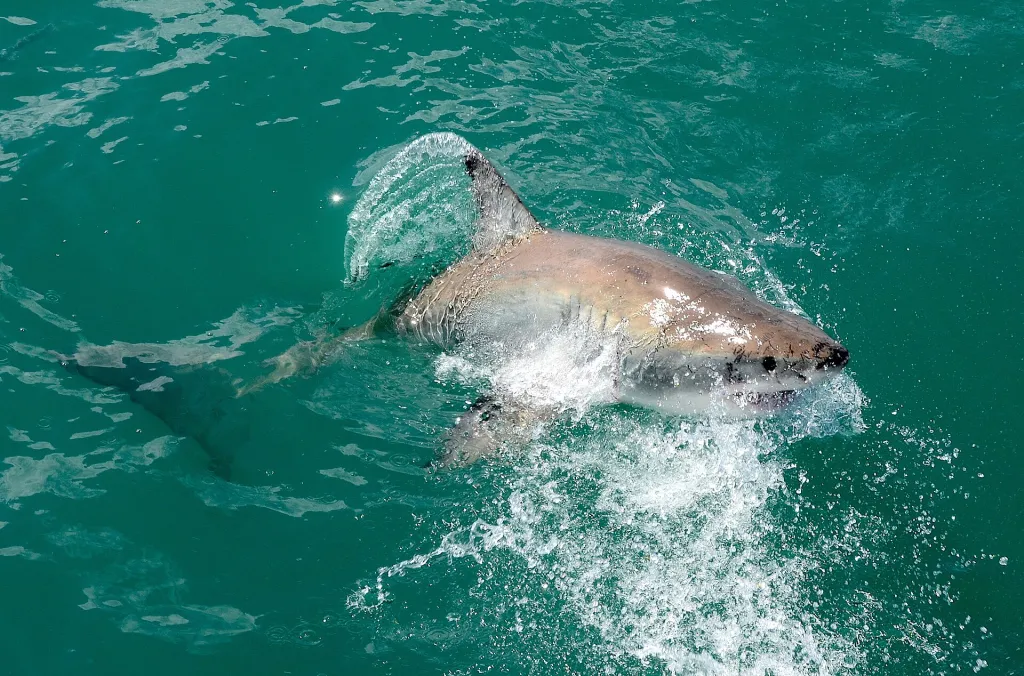
A shark spotted in Gansbaai
Dyer Island, about five miles offshore from Gansbaai, is one of the best places to watch sharks. It is home to more than 60,000 cape fur seals, which draw large numbers of white sharks. Bronze whaler sharks and southern right whales are seen here too. Operators run trips for tourists, snorkellers and divers.
Shark diving at Gansbaai runs all year, but the best sightings are from May to October.
3. O‘ahu, USA
O‘ahu is the third-largest Hawaiian island, and many operators run shark trips off the North Shore. Hawaii has about 40 shark species, and you may see Galapagos, tiger and sandbar sharks, with the occasional silky, blue or hammerhead.
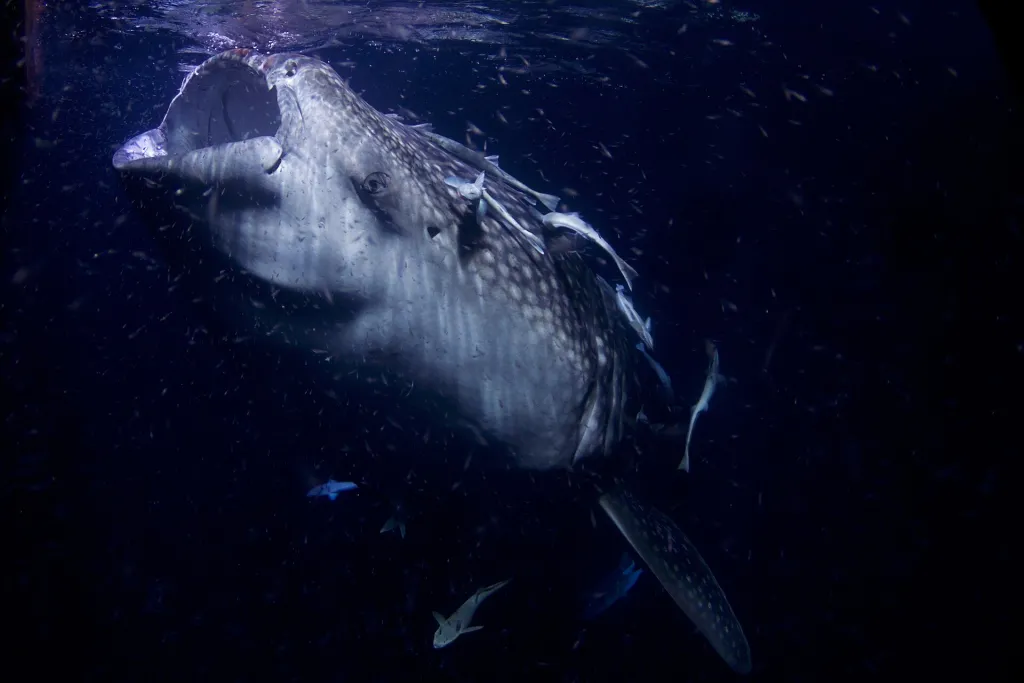
A diver encounters a whale shark in O’ahu
The best encounters here are about three miles out, where the water is around 500 feet deep. Cage-free open dives are possible too, a rare chance elsewhere.
The sheer number of sharks means near-daily sightings, and the mild climate keeps the experience comfortable. Sightings run year-round, but spring and early summer are best.
4. Neptune Islands, Australia
Australia is where shark cage diving began. The Neptune Islands lie at the mouth of Spencer Gulf, off South Australia.
The islands form a marine reserve, and great white sharks are plentiful here. They are also one of the few sites where operators set cages on the seafloor, giving a different view of the sharks swimming overhead. The best sightings run from May to October.
5. Cocos Island, Costa Rica
Cocos Island lies about 540 kilometres off the Costa Rican mainland and is known for its hammerhead sharks. It has rich marine life and nutrient-heavy currents, is a UNESCO World Heritage site, and is reached only by liveaboard.
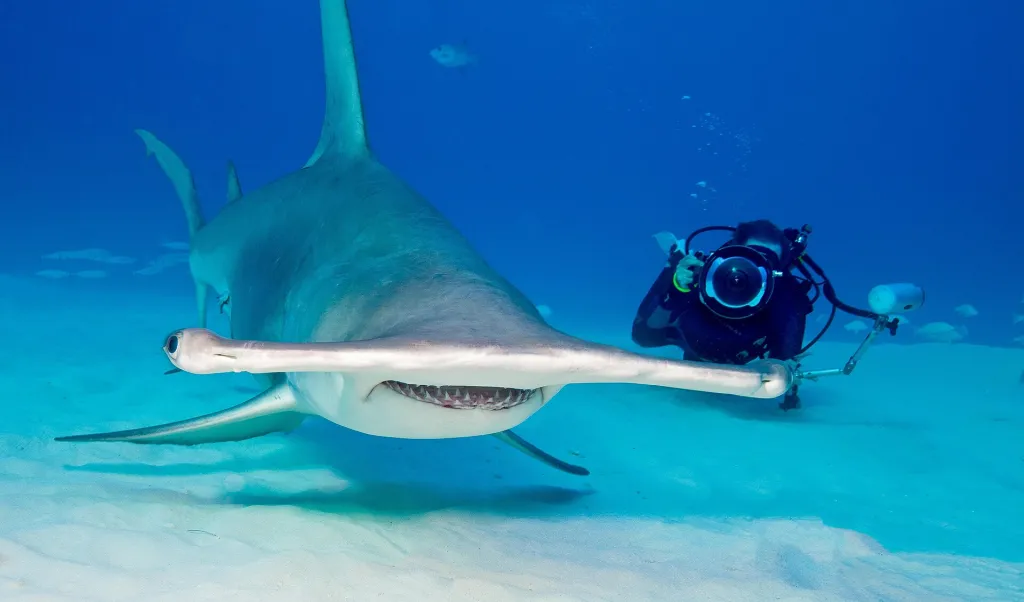
Hammerhead sharks swimming in Cocos Island
Besides hammerheads, you may see Galapagos, silky, tiger, blacktip, whitetip reef, silvertip and guitar sharks. The waters also hold large numbers of manta and mobula rays, along with many big fish. The best time is June to November, during the rainy season.
Shark diving is one of the most rewarding things you can do in the water, and a good way to learn about sharks and set aside the tired myths about them.
If you loved reading this story, then subscribe to our blog here (it will ask to verify your email) to get inspiring travel stories and trivia delivered to your email. Stories about wildlife trivia, cultural experiences, curated luxury hotel lists, underrated places to travel, polar journeys and much more.