Iceland is famous for its numerous incredible waterfalls, all with their distinct character and story. Fed by several glaciers, ample rain, and snow, Iceland is dotted with thousands of waterfalls of all shapes and sizes. Choosing which waterfall to visit is a tough decision, but our list of the best waterfalls in no particular order will help you choose which ones to visit.
Gullfoss
Because of its location in the Golden Circle, Gullfoss waterfalls, also called “Golden Falls” are the most visited waterfalls in Iceland. This two-tiered waterfall drops 32 metres into a narrow canyon of the Hvítá river. These falls are especially fine to view when they’re bathed in sunshine. In clear weather, visitors can walk near enough to feel the spray of the falls. The falls are a 90-minute drive from Reykjavik and are part of Iceland’s famous Golden Circle.
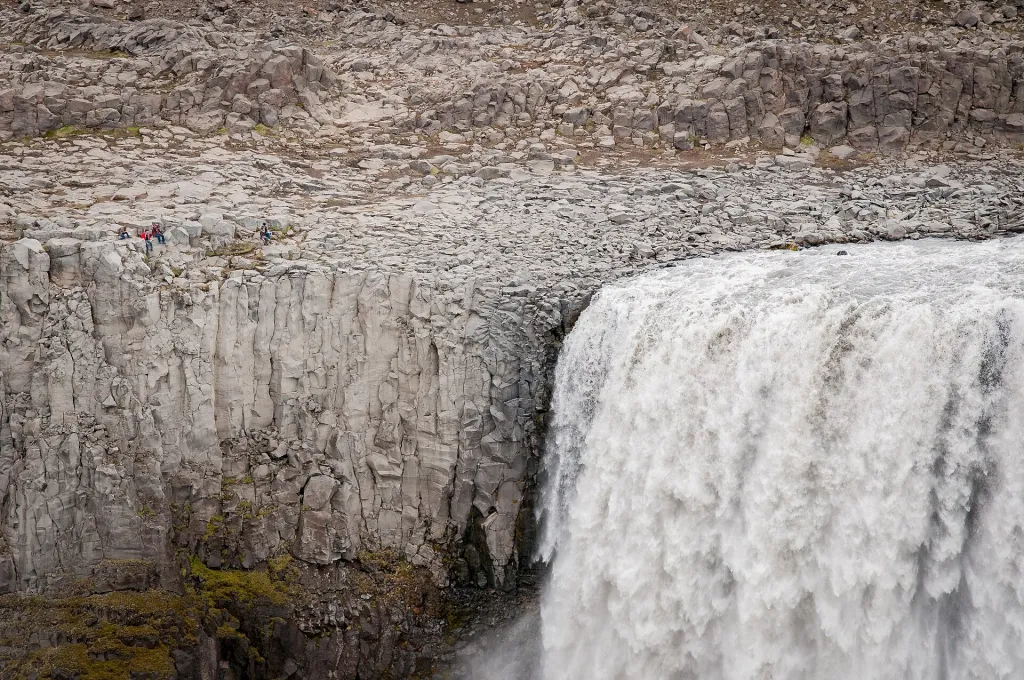
Gulfoss falls
Skógafoss
The falls are close to the Ring Road in the village of Skógar and are easily accessible, making them a popular destination on the south coast of Iceland. The Skogafoss, at 60 metres high and 25 metres wide, are among the most dramatic waterfalls in Iceland. There are two vantage points to view the falls; you can either walk to the base or hike up the trail to the viewing platform above. On a sunny and cloudless day, visitors can spot a single or double rainbow, making for a captivating photograph.
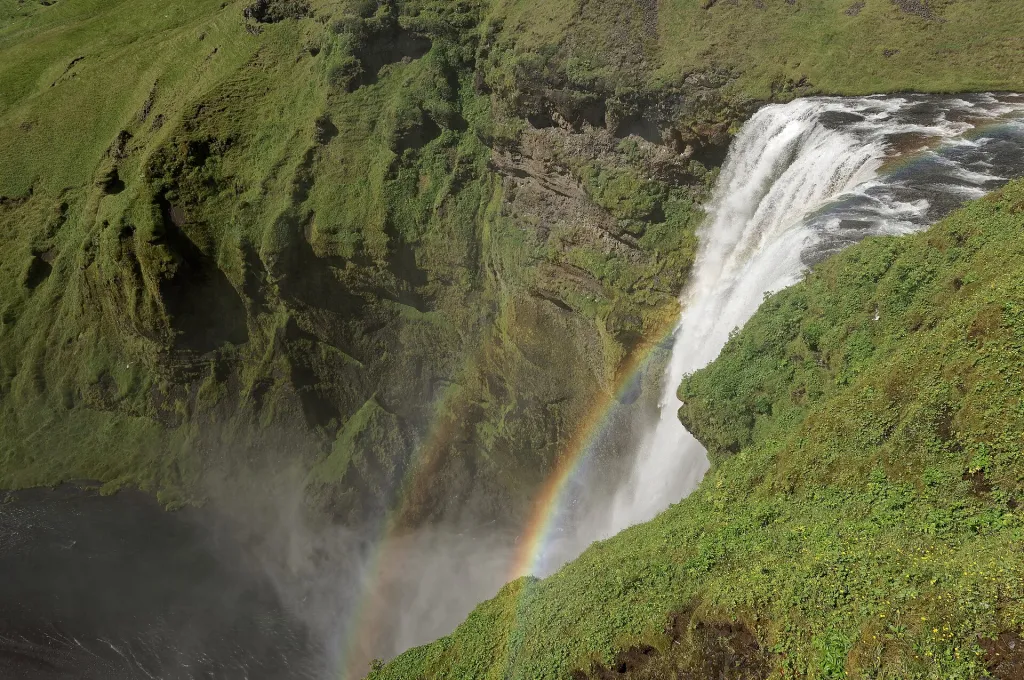
Skogafoss
Seljalandsfoss
These popular and frequented falls are also one of the most unique in Iceland. They have the rare distinction in that visitors can walk behind them to get a different viewing angle. At a height of 60 metres, these falls are tall and narrow, but the powerful spray can drench you in no time if you get too close. As you make your way down the Ring Road, you can spot these beautiful falls from there, as they’re right next to it.
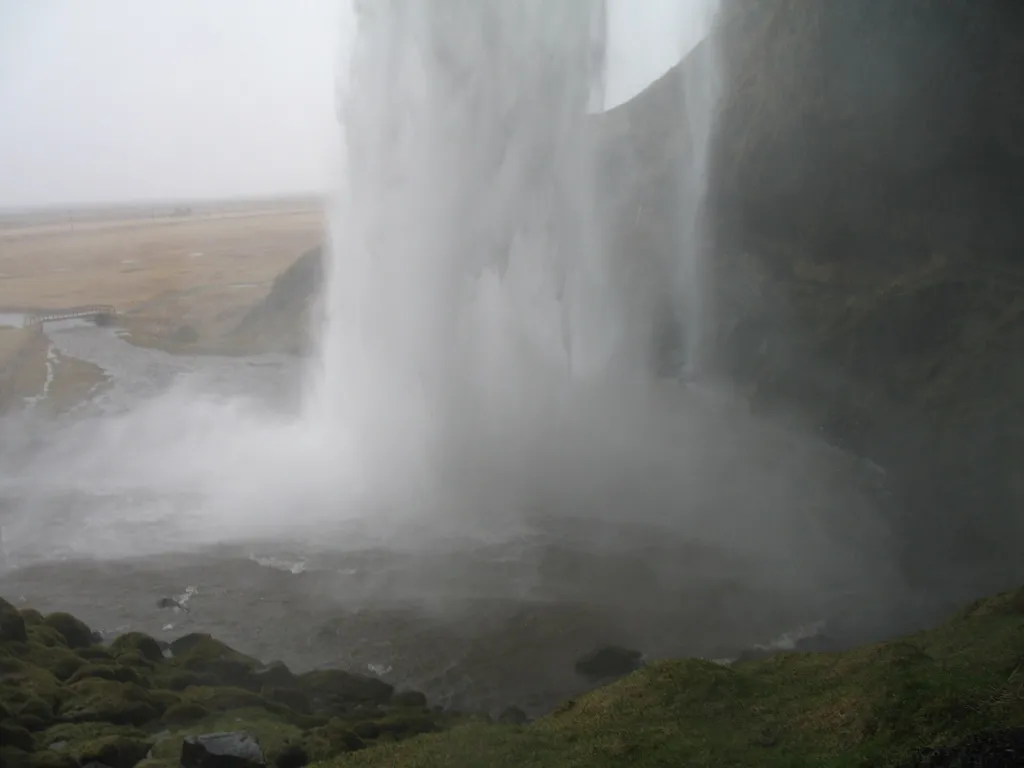
Selandjafoss
Goðafoss
This “waterfall of the Gods” is notable for its Niagara-like shape; it is just 12 metres high but around 30 metres wide. The waterfall got its name thousands of years ago when a local chieftain threw his statues of the Norse Gods into the water after Iceland converted to Christianity. The falls are a 45-minute drive away from Mývatn. Viewing points on either side give picturesque views of the falls. The 0.35-mile walk from the car park to the falls is well worth it, as the views from the top are superb.
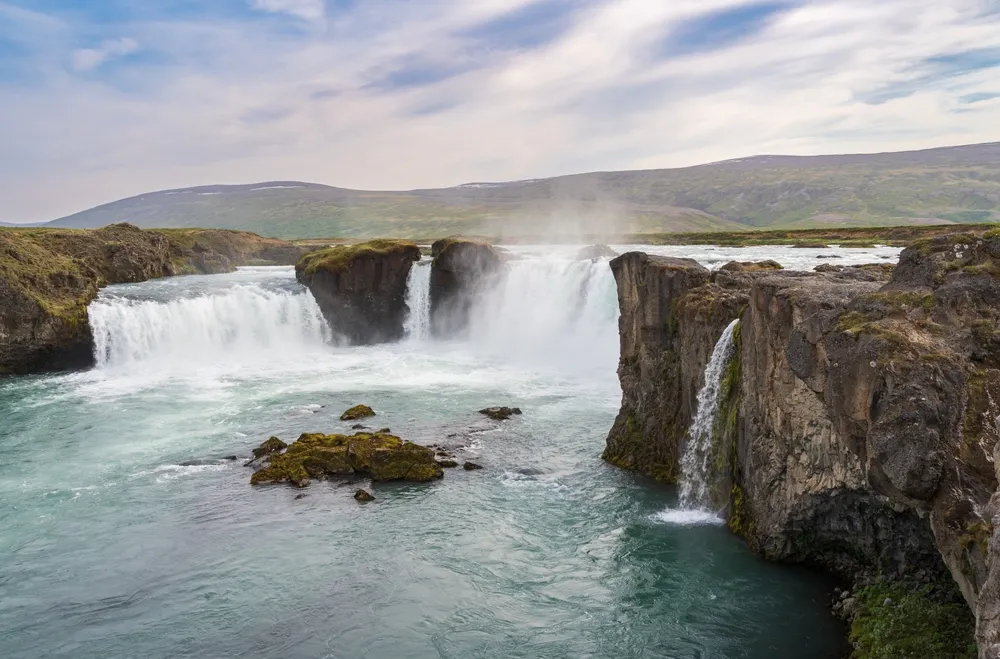
Godafoss
Gljúfrabúi
This Icelandic word translates to “Dweller of the Gorge”, and the falls are also referred to as the “hidden waterfall”. The fall is not as easily accessible as other Icelandic waterfalls; you need to enter a narrow opening in the cliff after wading through a small stream. Visitors must, therefore, be prepared to get wet. The journey, however, is worth it, as the views are superb. Surrounded by green walls and crashing water, you almost feel as if you’re inside the waterfall.
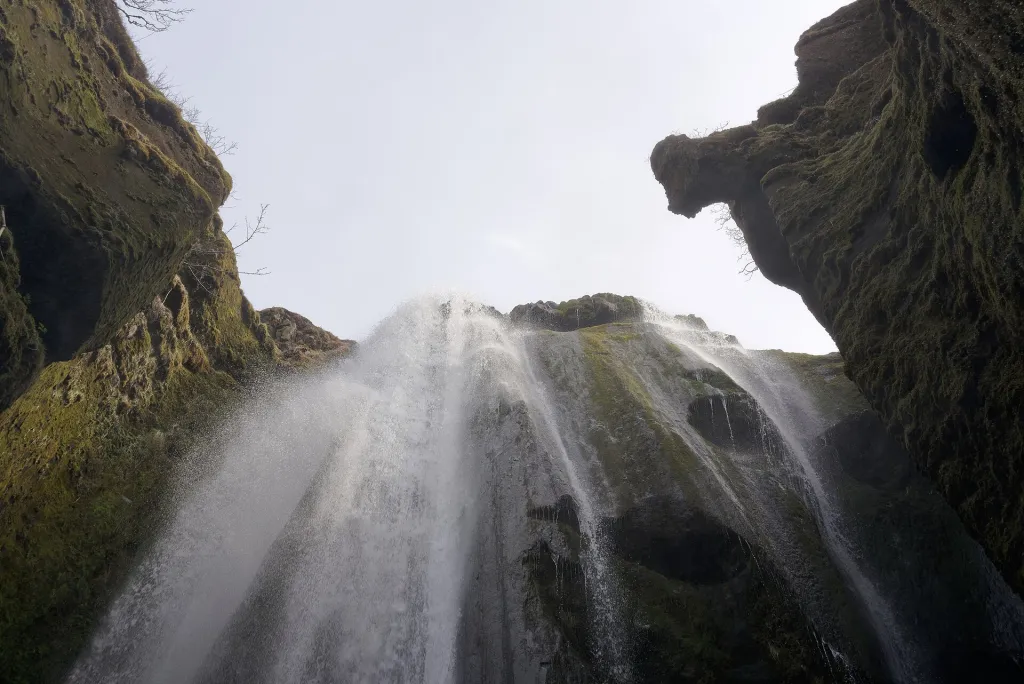
Gljúfrabúi
Glymur
These were the highest waterfalls in Iceland until 2011, when a retreating glacier revealed the taller Morsárfoss. Towering at 198 metres, these falls are in a fjord reaching inland in the Bornsdalur valley. The 7.1 km hike to the top is taxing and takes about 3 to 4 hours. As you make your journey, you need to cross a river and use ropes and chains to make your way up. But the effort is worth it. The steep gorge drops 200 metres down, and the view from there is superb.
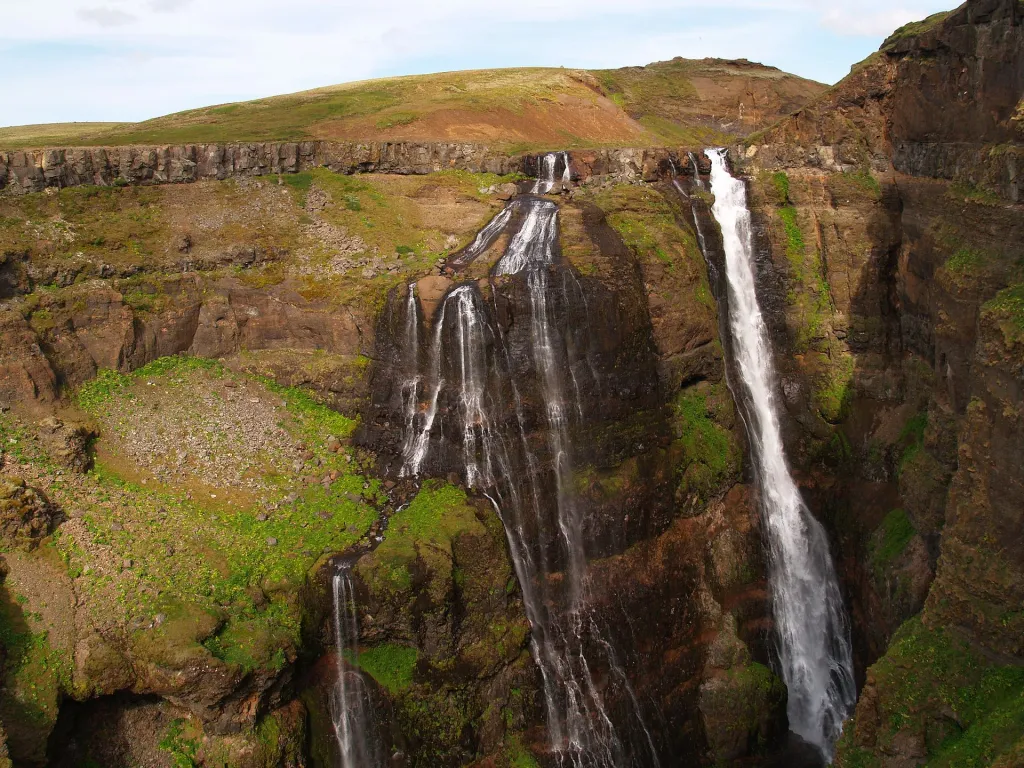
Glymur
Svartifoss
The falls get their name (translated to “Black Waterfalls” in English) from the contrast between their white water and the surrounding dark hexagonal basalt columns. These 20 metre-high falls are in the Skaftafell Nature Reserve. The hike to Svartifoss is a 3 km round-trip journey that takes you 45 minutes each way. Upon reaching them, you get treated to fine views and you also get to see the glacier where these falls originate.
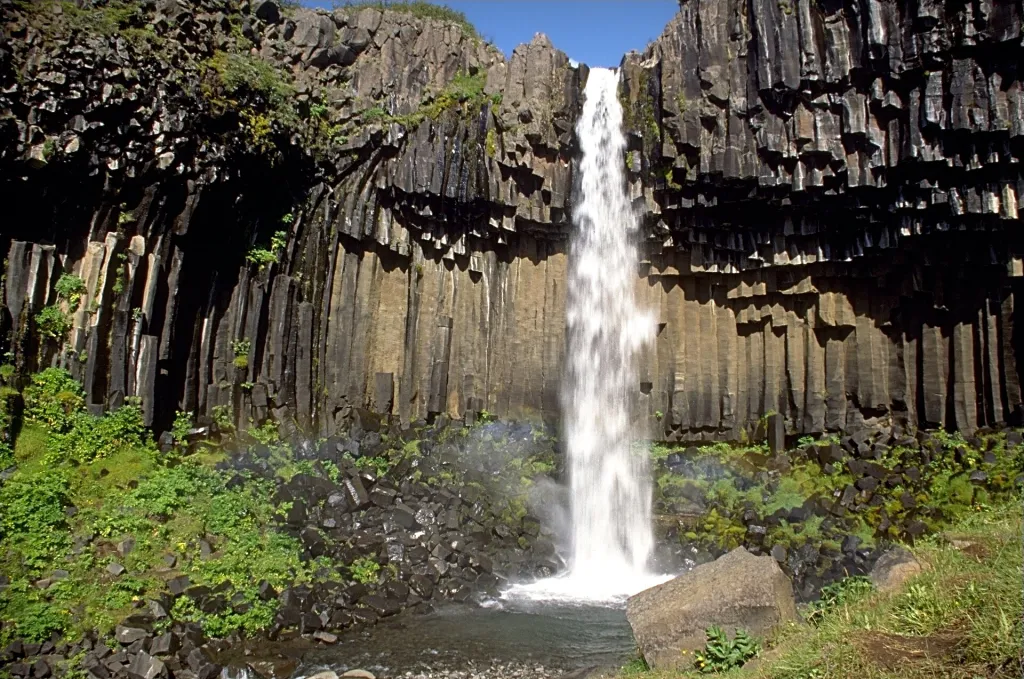
Svartifoss
Bruarfoss
This is a series of hidden waterfalls on the Bruara River, off the beaten track and rarely visited. The stark, contrasting colours of the water descending into the gorge are other-worldly. The waterfalls are nicknamed “Iceland’s Bluest waterfall” for the surreal shades of blue of the glacial water. The 7 km round-trip walk to the waterfalls takes 2 to 3 hours, but rewards you with picturesque views.
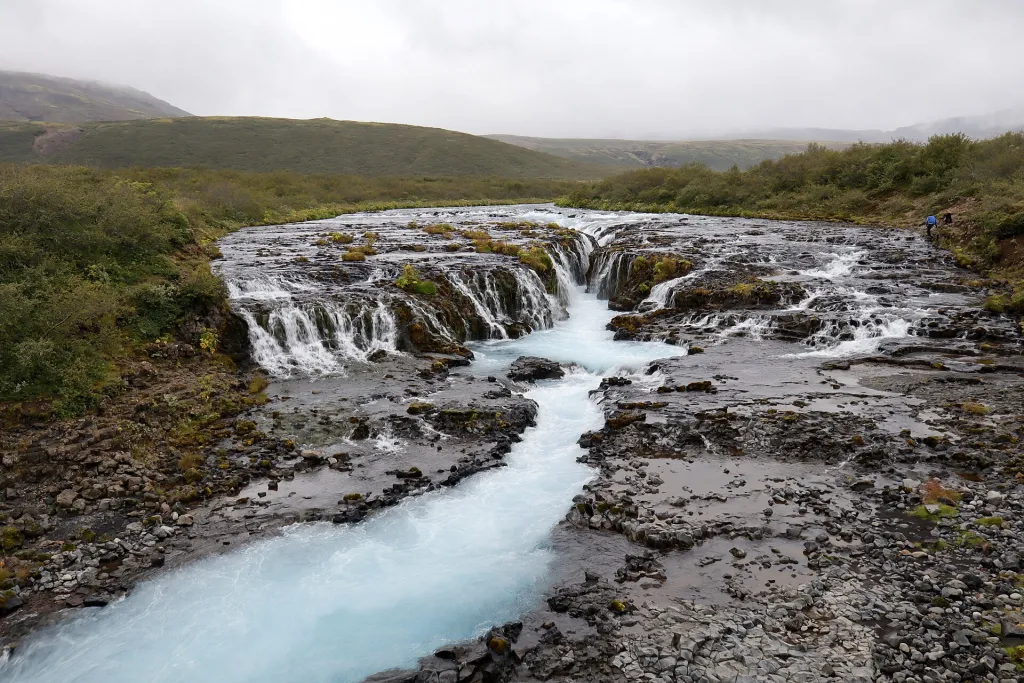
Bruarfoss
Hengifoss
At a height of 128 metres, this is the third-largest waterfall in Iceland. The multi-layered red rock sandwiched between the basalt layers is a geological portrait that denotes the multiple volcanic eruptions that happened here over the millennia. The 2.5 km hike to Hengifoss will take about 50 minutes and on the way, you will come across the smaller “Litlanesfoss” waterfall.
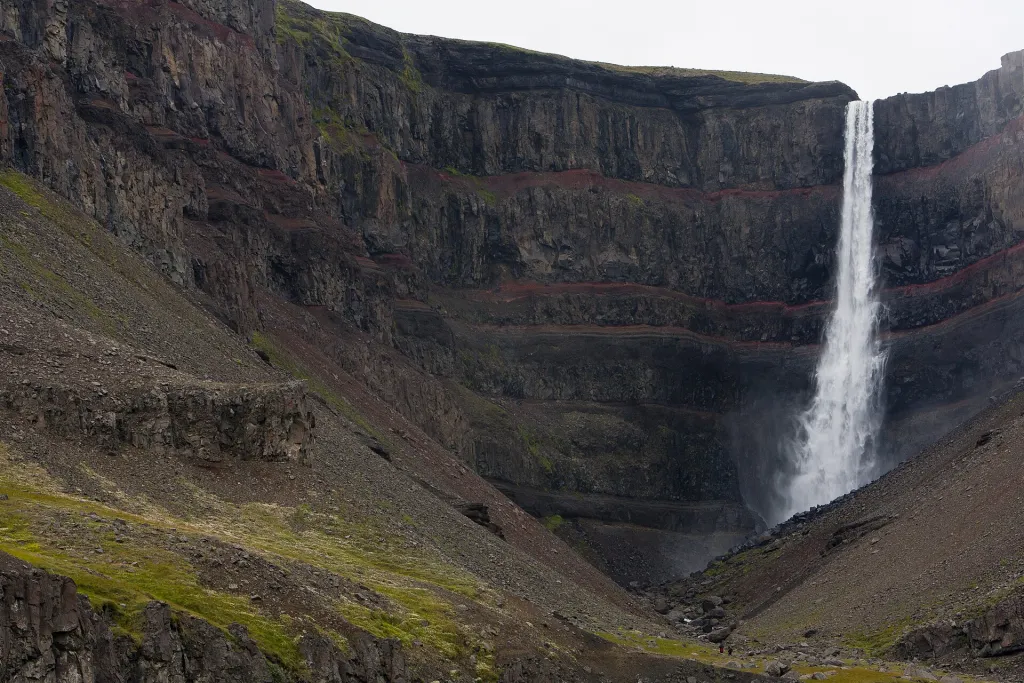
Hengifoss
Háifoss
At a height of 122 metres, the fourth largest waterfall in Iceland is near Hekla Volcano, towards the south of the island. Its name translates to “High Falls” because it was believed to be Europe’s tallest waterfall in the 20th century, before the discovery of taller waterfalls. Hiking up to the top, you get some of the most incredible views in Iceland. You can combine a visit here with a trip to Granni, another waterfall just adjacent to Háifoss.

Háifoss
If you loved reading this story, then subscribe to our blog here (it will ask to verify your email) to get inspiring travel stories and trivia delivered to your email. Stories about wildlife trivia, cultural experiences, curated luxury hotel lists, underrated places to travel, polar journeys and much more.