The plains of the Masai Mara in Kenya and the Serengeti in Tanzania form one of the richest wildlife ecosystems anywhere, and for most people they are what “African safari” means. Wildlife is the main reason to go, but it is far from the only one. Here are the top things to do on an East African safari.
1. See the Big Five
You expected this one. Seeing the Big Five is fairly easy here; a good guide will usually show you all of them within a day or two. But if all you want is to tick them off, you could see them in a zoo at home and save the airfare. The point of coming this far is the whole experience, not just the sighting.
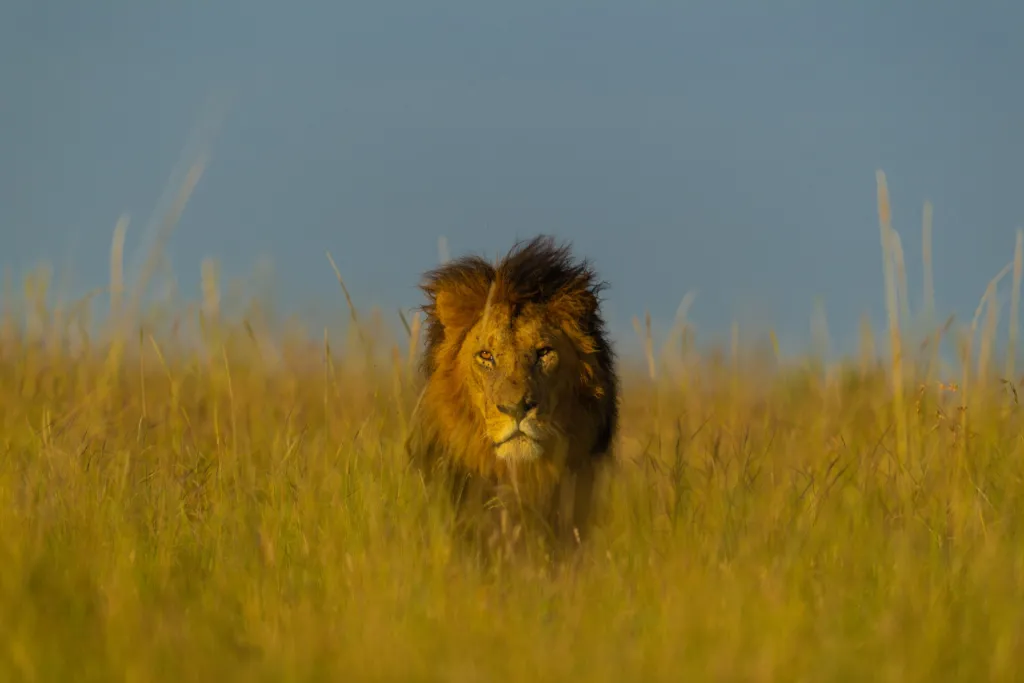
The Big Five of Africa
Three things make that experience. The first is a good guide: someone who reads animal behaviour, finds the rarer birds, and spots the signs that a hunt or a river crossing is about to happen. A guide like that also explains what you are seeing, so you leave knowing far more than when you arrived.
The second is where you stay. A camp inside the park puts you closest to the animals at dawn and dusk, and a night out in the wilderness, with no town for miles, is an experience in itself.
The third is a proper off-road vehicle that can handle the savannah tracks. These things cost more, but they are what turn a good safari into a great one.
2. See a hunt or a chase
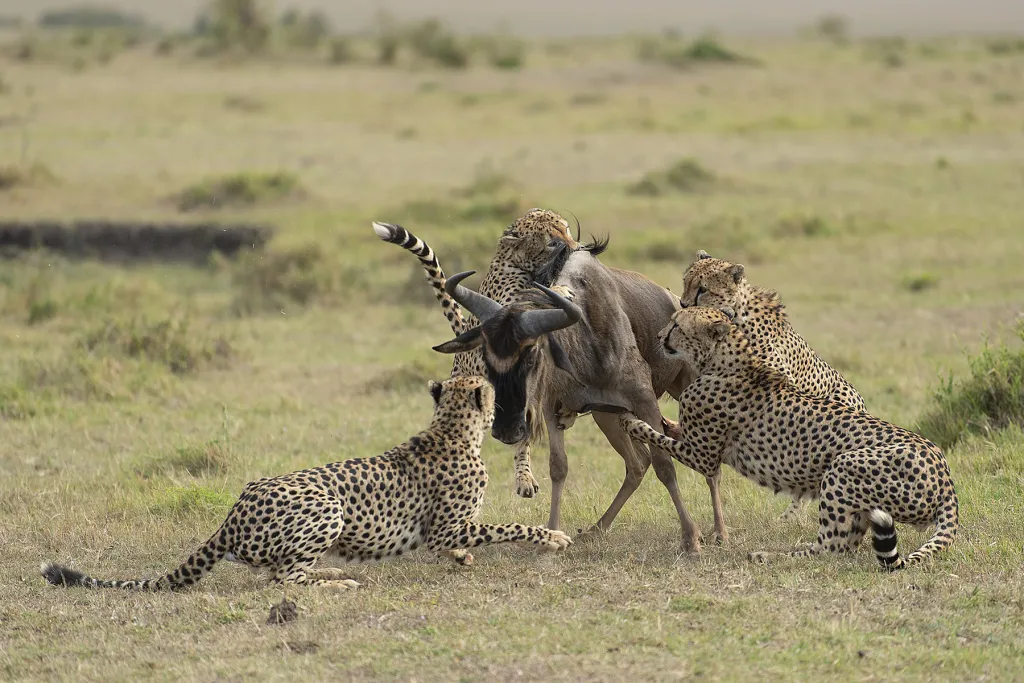
Cheetahs chasing a wildebeest
A hunt or a chase follows from the first point: the right guide and the right base make it far more likely. The first time you see one, the adrenaline is hard to put into words, and it tends to stay with you.
3. Dinner under the stars
If you go home without falling for the African night sky, you did not leave your room. You see the sky through the day on safari, but a bush dinner under the stars makes a night of it.
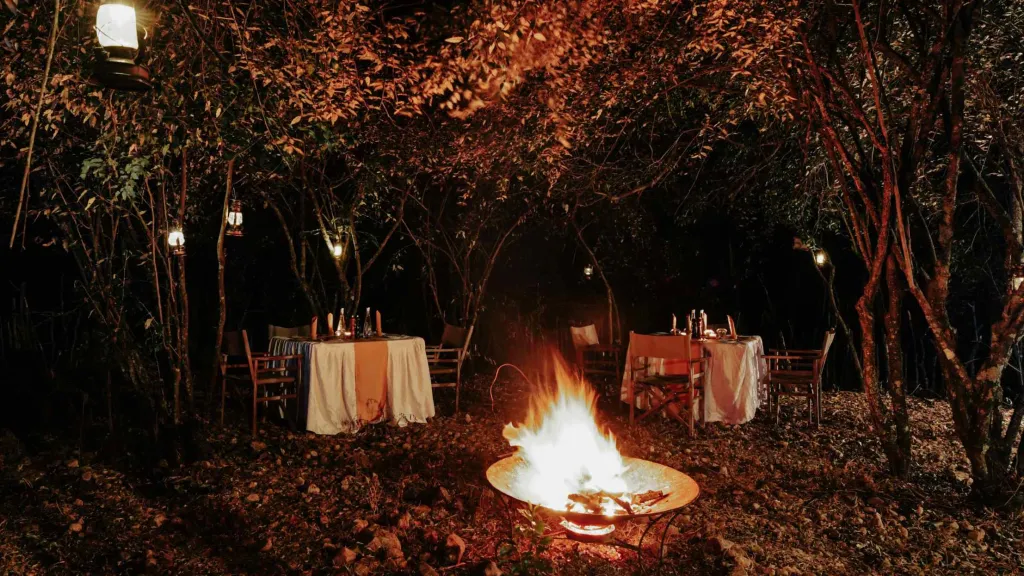
Bush dinner with a bonfire
Picture a laid table out on the same plains you drove that afternoon, the sounds of animals all around, Maasai hosts serving dinner and, if you like, singing and dancing by a private fire, with nothing above you but the sky. It is worth doing at least once.
4. Breakfast by the river
To be clear, no one is feeding you to anything. This is a bush breakfast beside one of the big rivers — the Grumeti, the Mara, the Talek or the Olare Orok. You eat at a proper table by the water while hippos and crocodiles laze on the bank, occasionally with a breakfast of their own.
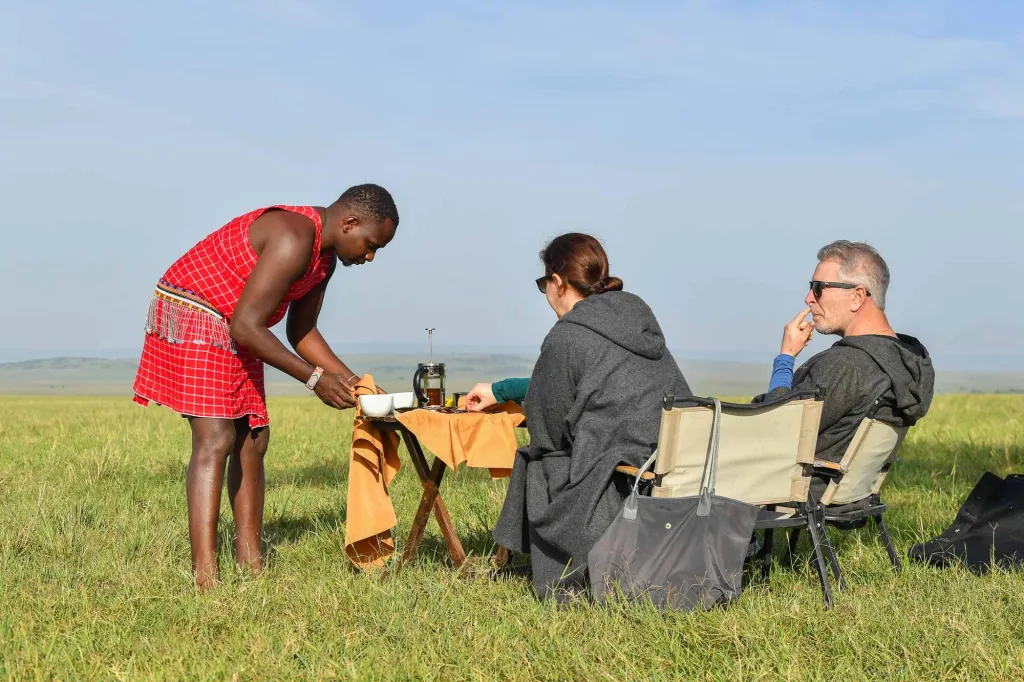
Bush breakfast in the savannah
5. Learn the Maasai jump
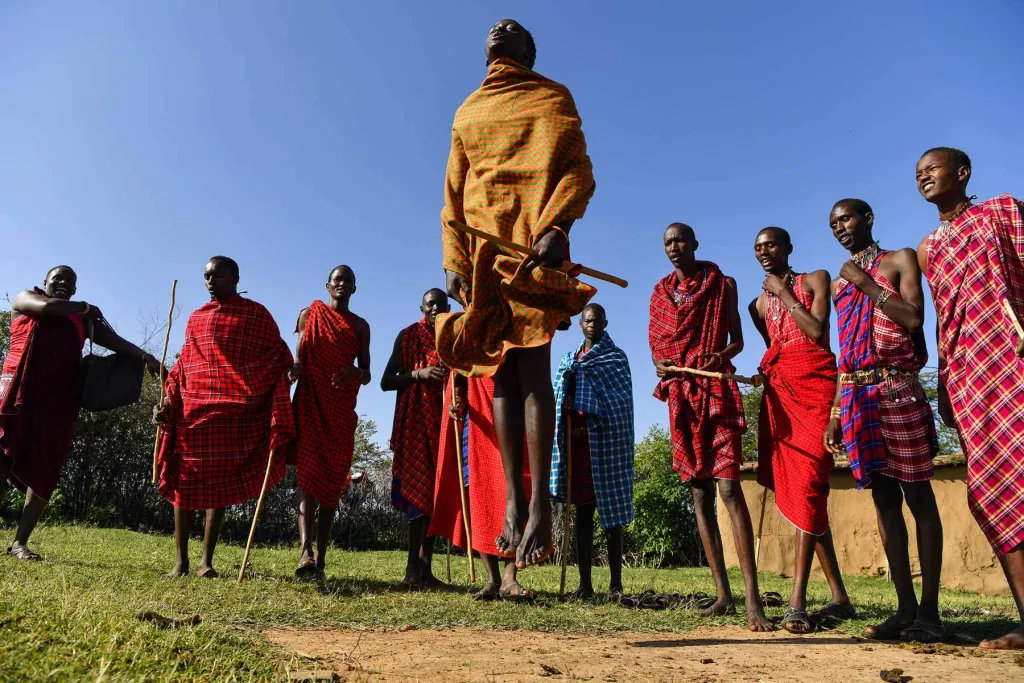
The Maasai adumu, the jumping dance
A safari is also about fun, and a Maasai guide brings plenty of it. You will hear stories, some worth taking with a pinch of salt, and learn a lot about Maasai culture. One thing you may see is the adumu, the warriors’ jumping dance, where young men take turns leaping as high as they can to show their strength and stamina. Visitors are usually invited to try.
6. Take a balloon safari
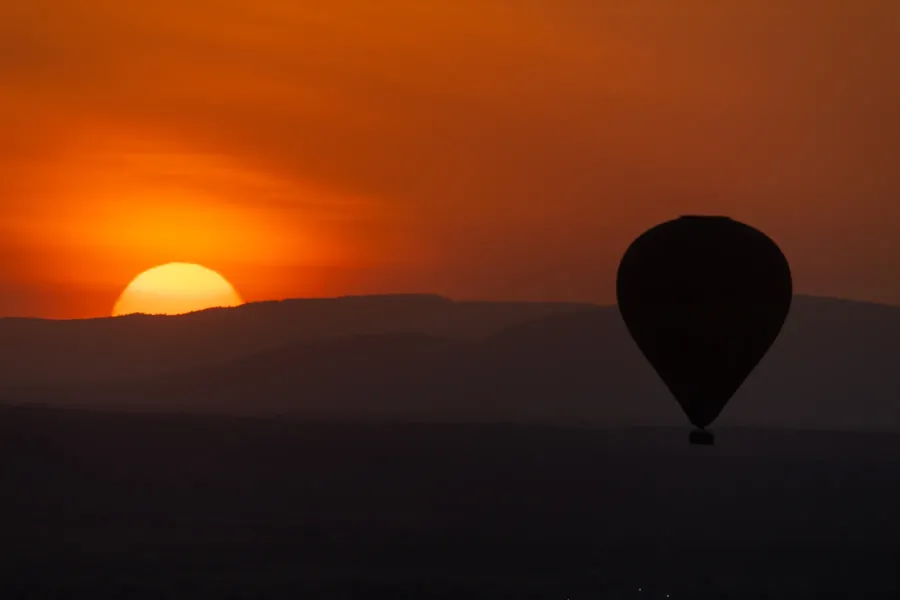
A balloon safari over the plains
A hot-air balloon at dawn over the Mara-Serengeti is hard to beat. You reach the balloon before sunrise and lift off as the light comes up, drifting over the plains, close enough on some mornings to look a giraffe more or less in the eye.
7. Look beyond the big names
The Big Five and the big cats get the attention, but a good guide will show you far more and tell you the stories behind it. Did you know there are four species of giraffe? Kenya and Tanzania have the Masai giraffe, the reticulated giraffe and Rothschild’s giraffe; the one you see in the Mara is the Masai giraffe.
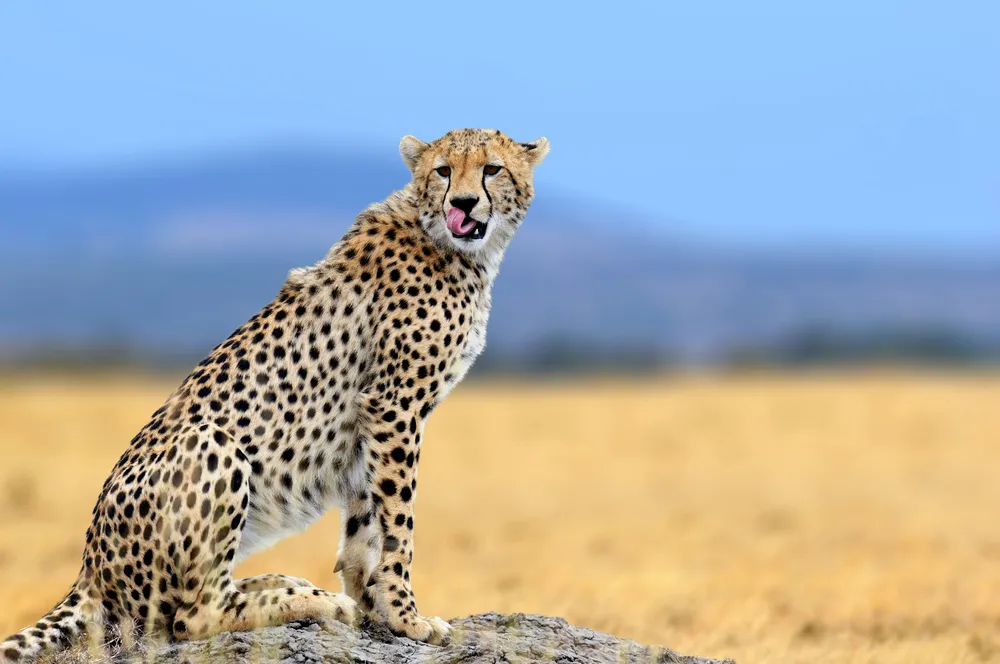
There is far more than the big names
Or that the most dangerous large animal in Africa is not the lion or the leopard, but the hippo? For all that it eats only plants, it is short-tempered and has one of the most powerful bites of any land animal.
8. Sundowners in the savannah
You have probably had good wine or whisky in good bars. Now picture the same drink handed to you in the middle of the savannah as the sun goes down in front of you. Few bars anywhere can match it.
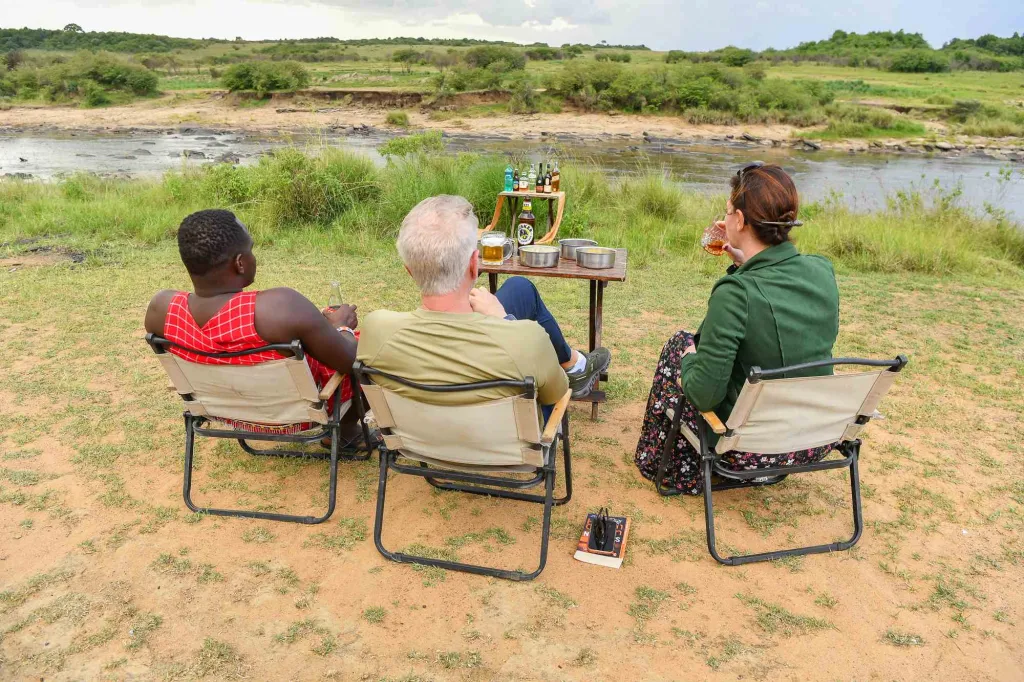
Sundowners on safari, at the golden hour
9. Visit a Maasai village
The Maasai live in small mud-and-thatch villages alongside their cattle. For centuries they roamed these lands as herders, and much of what is now the Mara and the Serengeti was their grazing ground.
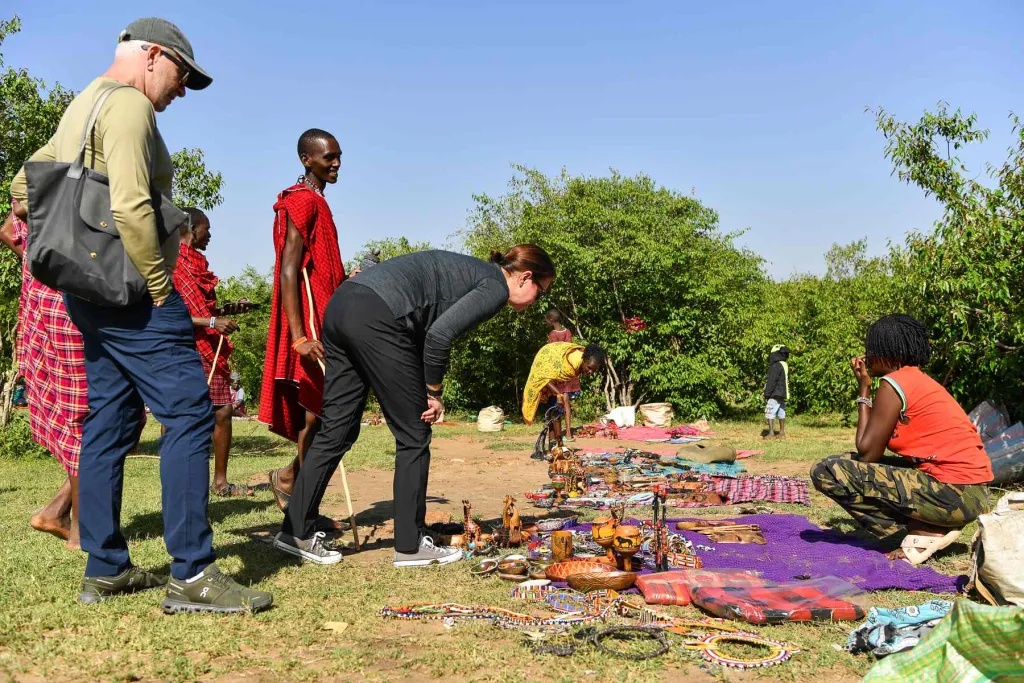
A Maasai village visit
Your trip is not really complete without meeting them. You will notice the bright shukas they wear stand out sharply against the greens and browns of the plains, the opposite of the earth tones visitors are told to wear, and worn that way on purpose. You may also see the call-and-response singing and the adumu. It is a rare chance to meet a community this closely, and worth doing with respect.
10. Dine at the Carnivore in Nairobi
This one is for committed meat-eaters. You will probably pass through Nairobi on the way to the Mara or the Serengeti, and if you have a night there, the Carnivore is an institution. It has long been one of the city’s best-known restaurants, and serves a wide range of meats, including some farm-raised game.
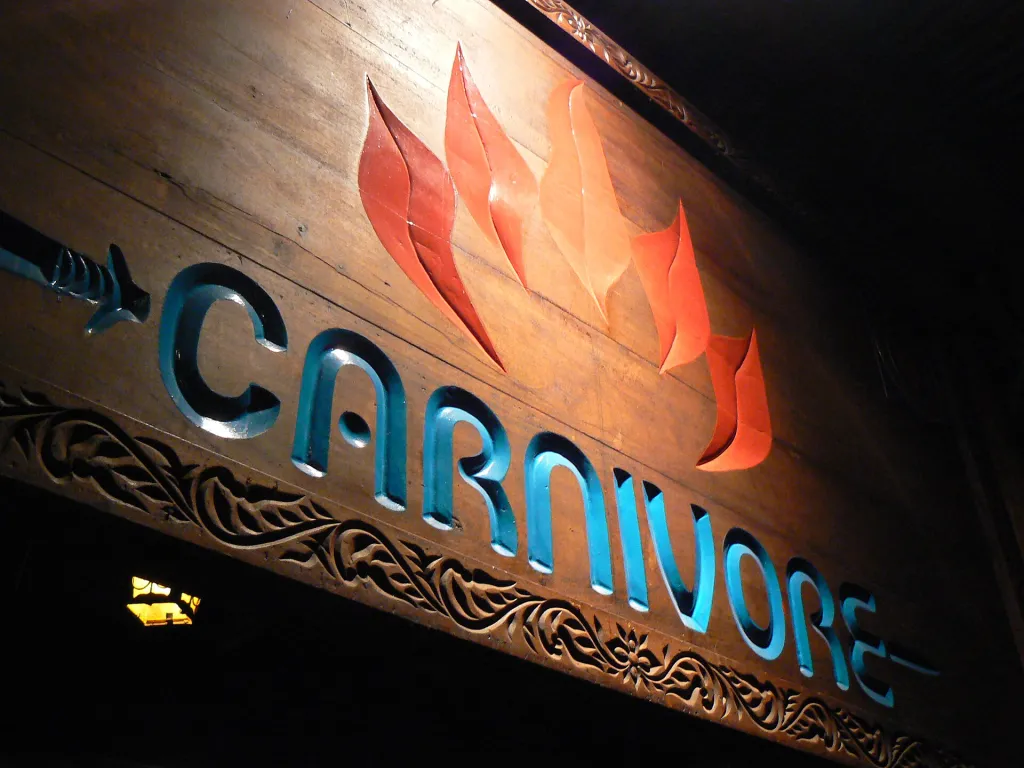
The Carnivore restaurant, Nairobi
11. The great migration
We kept the best for last. Every year over a million wildebeest and zebra follow a loop that begins on the southern Serengeti plains around Ndutu in January and February, when they calve in huge numbers.
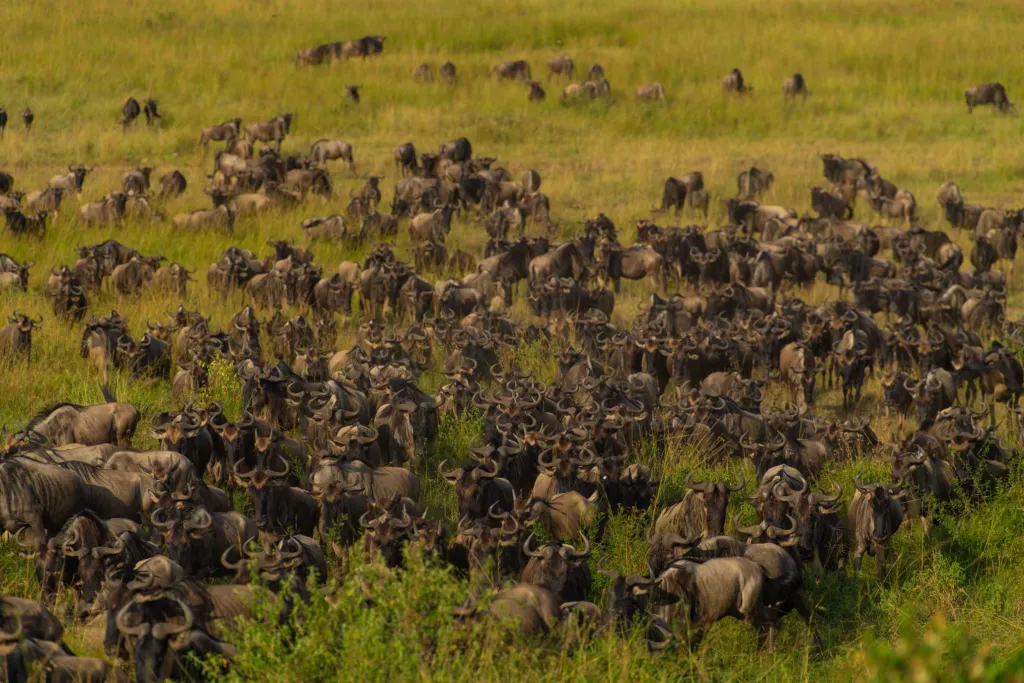
The great migration, a highlight of any East Africa safari
Following the rain and fresh grass, they move north through March to June, reach the Mara-Serengeti border by around July, and cross into the Masai Mara from July to October. The river crossings, with crocodiles in the water and lion on the banks, are the dramatic high point. It is worth planning a trip around.
Still reading? We half-expected you to have booked by now. For help planning an African trip, our team is at letstalk@wildvoyager.com, and you can look through our East Africa safari tours for itinerary ideas.
The Big 5 of Africa