Sri Lanka has the highest biodiversity in Asia and is one of the world’s 36 biodiversity hotspots. For its size, it packs in a remarkable range of flora and fauna, which makes it a fine place for a safari and for seeing wildlife and birdlife up close.
The island has 26 national parks, and the wildlife-watching here is unusual. Alongside its mammals, it is a good place for exotic birds and colourful reefs. Sri Lanka has its own “Big Five” — the Sri Lankan leopard, the Sri Lankan elephant, the sloth bear, the blue whale and the sperm whale. They are different from the African Big Five, but they make for exciting safaris and point to the island’s varied habitats.
Sri Lanka has around 120 mammal species, more than 500 birds, hundreds of reptiles and rich marine life, much of it endemic, meaning it is found nowhere else. Grasslands, rainforests, lagoons and wetlands all support this variety. Here are some of the parks worth building into a trip.
Yala National Park
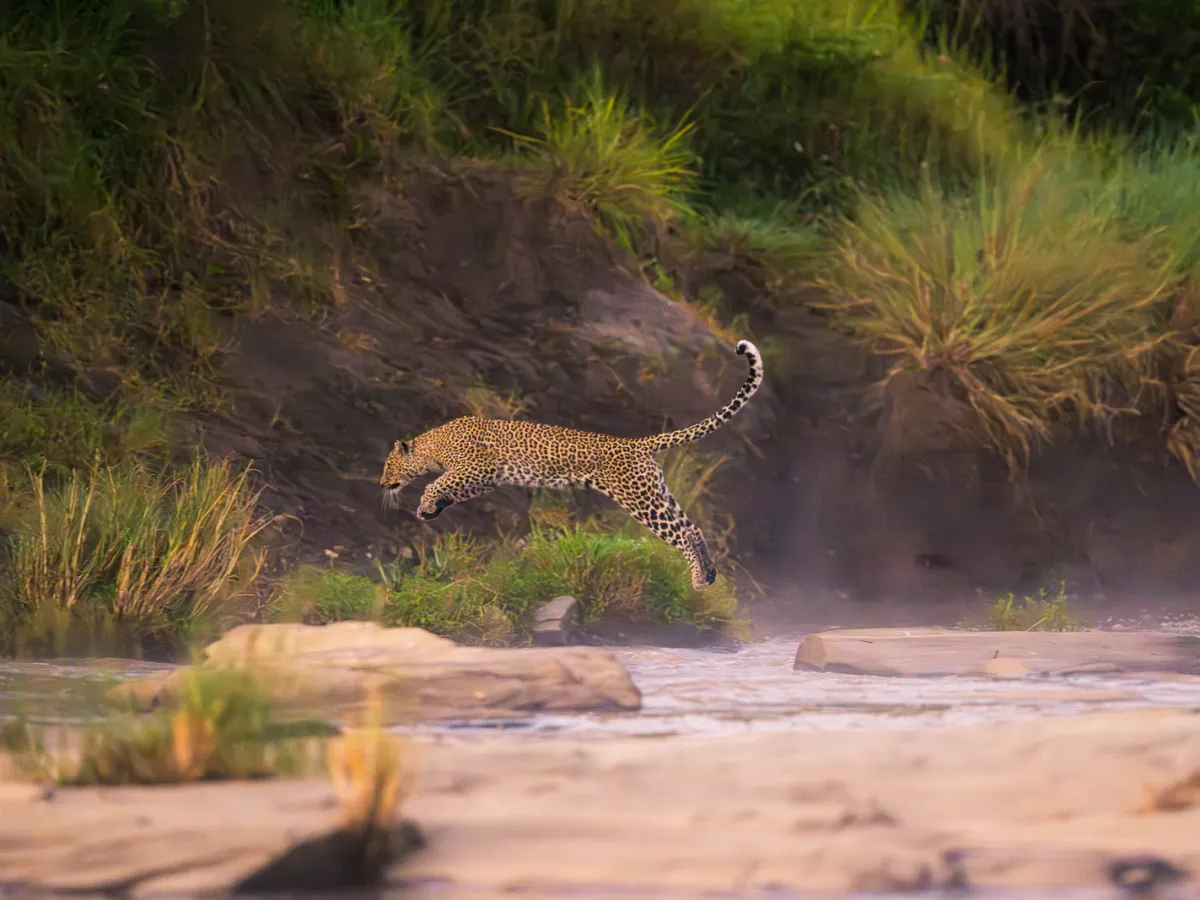
Yala, on the south-east coast, has one of the highest densities of wild leopards anywhere, which makes it one of the best places in the world to see them.

Beyond leopards, you may see elephants, wild water buffalo, sloth bears, sambar deer, crocodiles and monkeys such as macaques and toque macaques. Yala is good for birds too, with more than 200 species recorded.
The park is a mix of lagoons, grasslands and light forest, and this blend of woodland, wetland and scrub holds its wildlife and birds.
Wilpattu National Park
In the dry north-west, Wilpattu is the largest national park in the country at about 1,300 square kilometres. It is known as the land of lakes for its many natural water basins, the “willus,” which hold rainwater and sustain wildlife through the dry season. Dense forest and open plains fill out the rest of the park.

Wilpattu is quieter and less visited than other Sri Lankan parks, so the safaris feel more intimate. It has more than 30 mammal species, chiefly leopards, elephants, sloth bears and sambar deer, along with wild boar, mongoose, mugger crocodiles, monitor lizards and snakes such as cobras and pythons. Many endemic birds live here too, and peafowl and raptors are a common sight.
Bundala National Park
Bundala runs for more than 20 kilometres along the south coast. Its wetland ecosystem of lagoons, salt pans and marshes gives it a rich diversity of life.

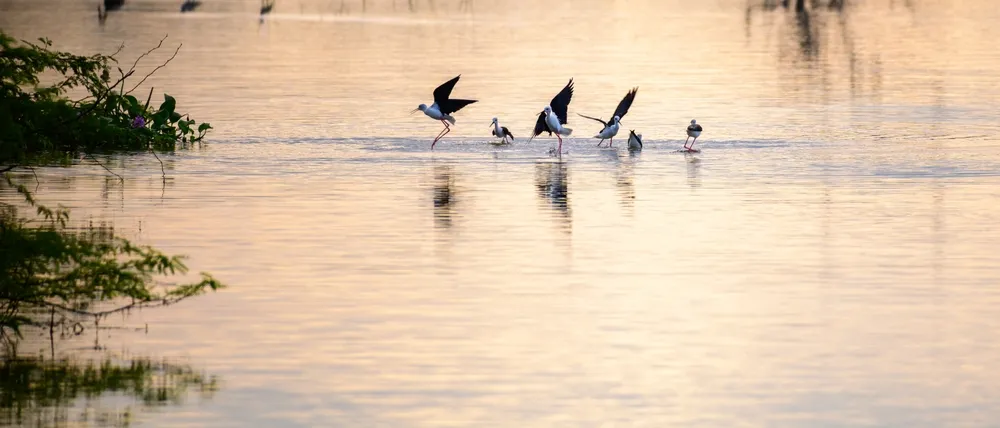
The park has more than 200 bird species, resident and migratory. It is best known for its migratory birds and as a wintering ground for large flocks of greater flamingos, along with ducks, terns, herons, spoonbills and waders. Sambar deer, crocodiles, elephants and grey langurs are found here too.
The main draw, though, is sea turtles. Five of the world’s seven species nest on this shore before the hatchlings make their way back to the sea. Alongside birdwatching and wildlife, you can explore the wetlands and, in season, see the young turtles.
Sinharaja Forest Reserve
Sinharaja, in the south-west, is a UNESCO World Heritage site and a Biosphere Reserve. It is the last large stretch of undisturbed tropical rainforest in the country, and more than 60 per cent of its trees are endemic.

The forest is full of streams and waterfalls. Though it covers less than 90 square kilometres, it holds many rare and endemic species: more than 95 per cent of the country’s endemic birds and over half its endemic mammals occur here. Native birds include the Sri Lanka blue magpie, green-billed coucal, grey hornbill, red-faced malkoha and jungle fowl, and the dense forest also holds elephants, monkeys and leopards, along with amphibians and reptiles. A hike here is rewarding, with a good chance of seeing rare species in their own habitat.
Horton Plains National Park
In the central highlands sits an unusual park, Horton Plains, at about 2,100 metres above sea level. Known as the Roof of the Island, its mix of montane grassland and cloud forest makes it both rich in wildlife and striking to look at.

Amphibians, reptiles, birds and mammals have all adapted to the high, cool conditions. Leopards, sambar deer, giant squirrels and langurs live in the forest and grassland, and highland birds such as the blue magpie, yellow-eared bulbul and whistling thrush are common. The park is also home to the slender loris, one of the most endangered primates.
The best-known sight is World’s End, a sheer 880-metre drop with views over distant tea plantations. Baker’s Falls is another highlight for walkers and nature lovers.
Udawalawe National Park
Udawalawe lies on the south coast near the central mountains. It is a mix of dry and wet habitats — grassland and forest — built around a large reservoir, the Udawalawe Reservoir.

The park has a large elephant population, and more than 400 are seen easily on safari, often near the reservoir in the dry season. It is also home to sambar deer, spotted deer, water buffalo, leopards, crocodiles, jackals and more than 200 bird species. The Elephant Transit Home nearby rehabilitates orphaned calves before returning them to the wild.
Sri Lanka’s parks each have their own character. Plan a safari here and you can move from leopard country to elephant plains to rainforest in a single trip.