Spiti Valley is a high, cold desert in the north of Himachal Pradesh. The name means roughly “the middle land”, and the valley is known for its stark scenery, its monasteries and its strong Tibetan Buddhist culture, which is why it is sometimes called “Little Tibet”.
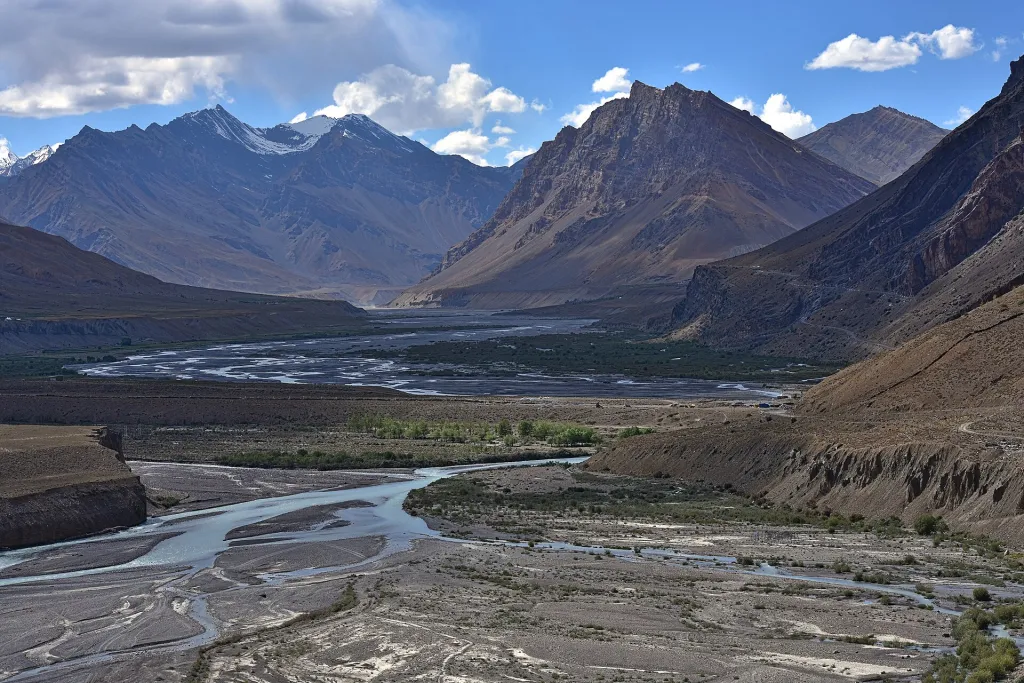
Spiti Valley in India
It is remote and rugged, ringed by snow peaks, glaciers, high lakes and small villages. For visitors there is trekking, biking and mountaineering, as well as the culture of the valley itself. If you are heading there, here are some of the places worth seeing.
1. Key Monastery
Key Gompa, above Kaza, is the best-known monastery in Spiti, a fort-like cluster of buildings stacked on a hill high above the valley. The views from it are excellent.
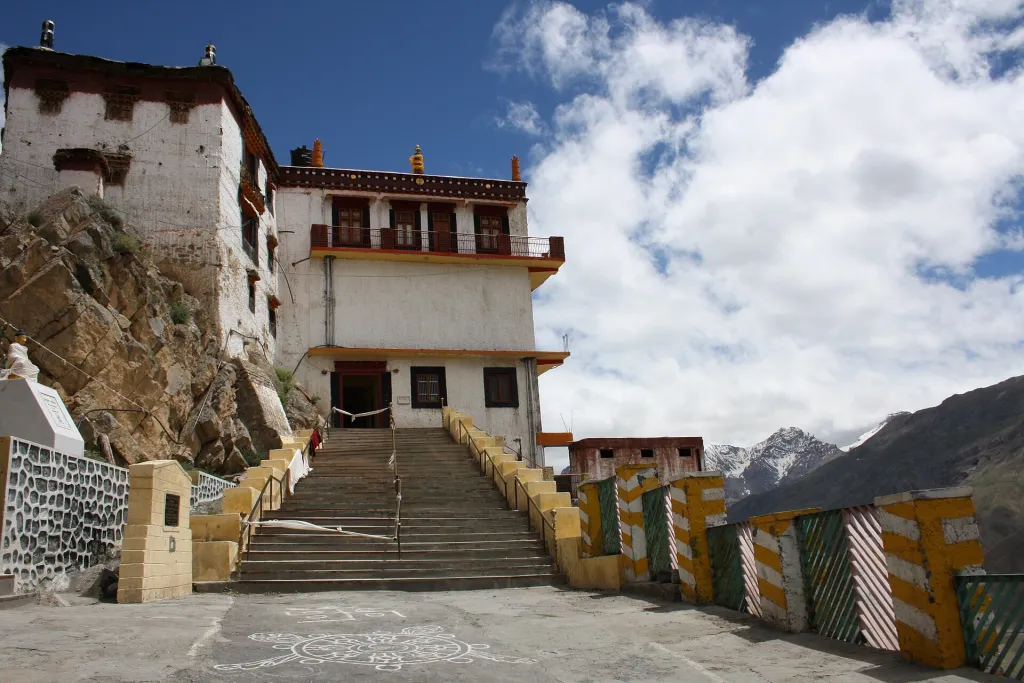
Key Gompa monastery
Inside are dim rooms and corridors with Buddhist shrines, old instruments, manuscripts and murals, an assembly hall and the Tengyur room. It is a quiet, atmospheric place.
2. Pin Valley National Park
Pin Valley is a high-altitude national park of frozen streams and extreme cold.
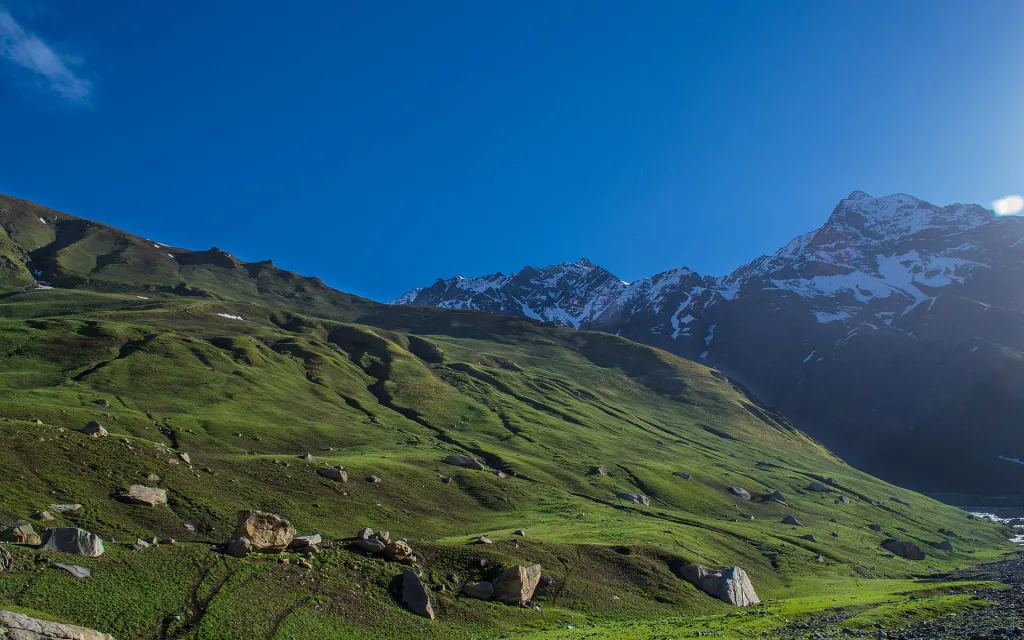
Pin valley national park
It protects rare wildlife, including the snow leopard and Siberian ibex, along with snowcock, chukar partridge, bearded vulture and golden eagle. Several tough trekking routes lead from here over into the Kullu and Kinnaur valleys.
3. Chandratal
Chandratal, near the Kunzum Pass, is one of Spiti’s best-known lakes. The name means “lake of the moon”, after its crescent shape.
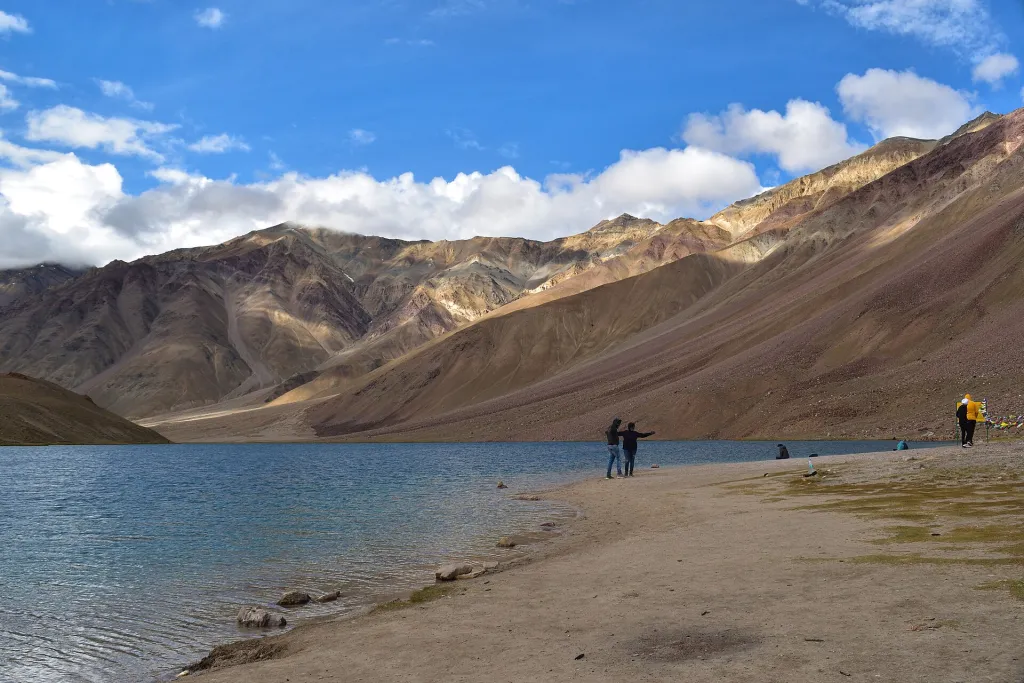
Chandratal Lake
The clear water and the peaks around it make it a fine spot for camping and photography, and it is a stop on treks over the Rohtang and Kunzum passes.
4. Kibber
Kibber sits at 4,205 metres and is one of the highest villages in Spiti, with green fields and stone houses under the hills.
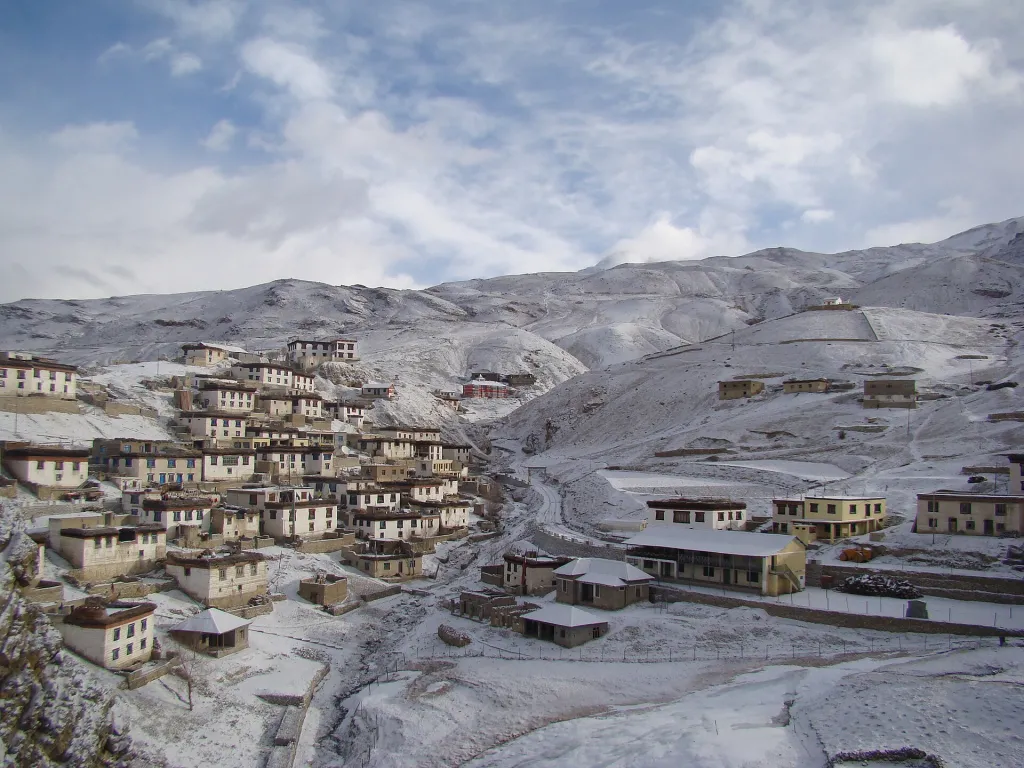
Kibber Village in the Spiti Valley
It is popular with trekkers and mountaineers, and serves as a base for several high-altitude treks.
5. Kunzum Pass
The Kunzum Pass, in the Kunzum range, links the Kullu and Lahaul valleys with Spiti.
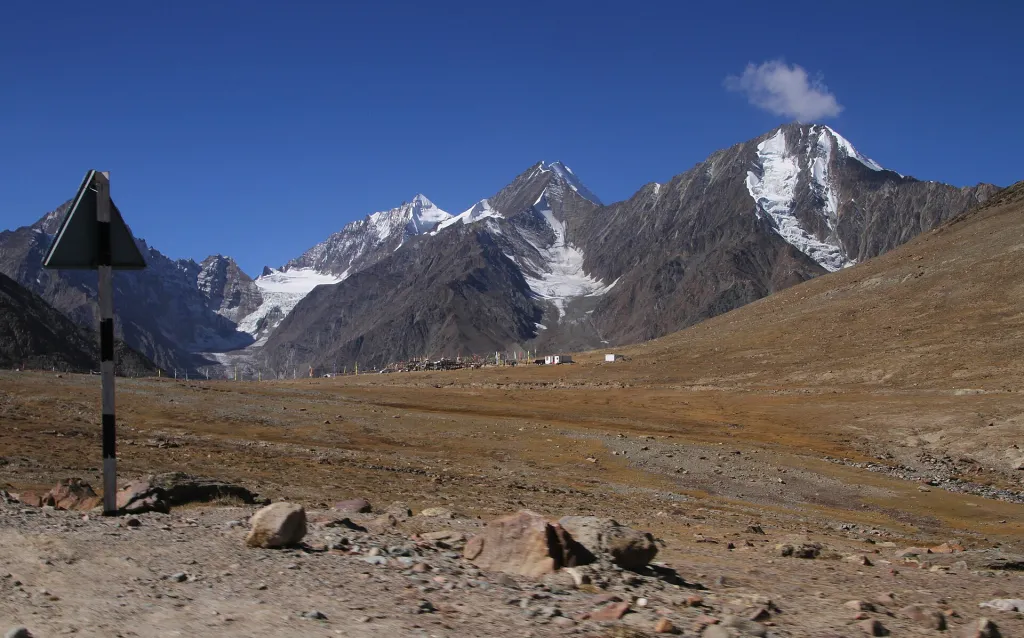
Kunzum Pass
At around 4,550 metres it is one of the highest motorable passes in India, with views of the Chandrabhaga range. It also gives a good view of the Bara Shigri glacier, the largest glacier in Himachal Pradesh. There are Buddhist prayer flags here and an old temple to the goddess Kunzum.
6. Suraj Tal
Suraj Tal, or “sun lake”, is the third-highest lake in India, set among the peaks near the Baralacha La. It draws trekkers and photographers.
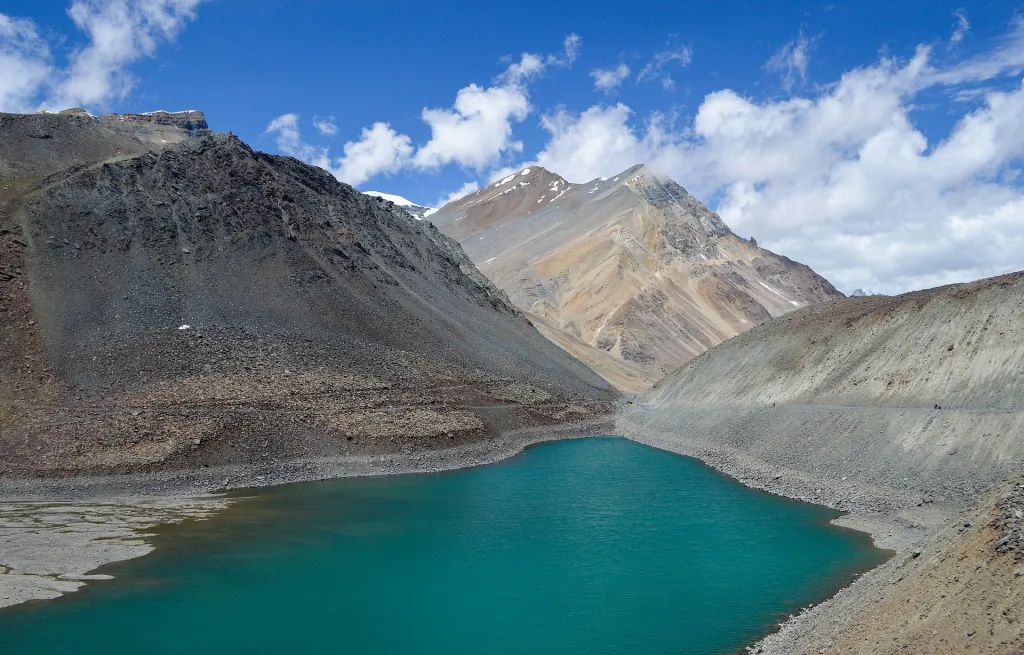
The pristine Suraj tal during the winter season
In winter it freezes and the surrounding mountains fill with snow. The lake also has religious significance, and some visitors come to bathe in it.
7. Nako Village
Nako is a small village near the Indo-Tibet border, with wide views of the Himalayas. It is a quiet, out-of-the-way place with strong Tibetan culture.
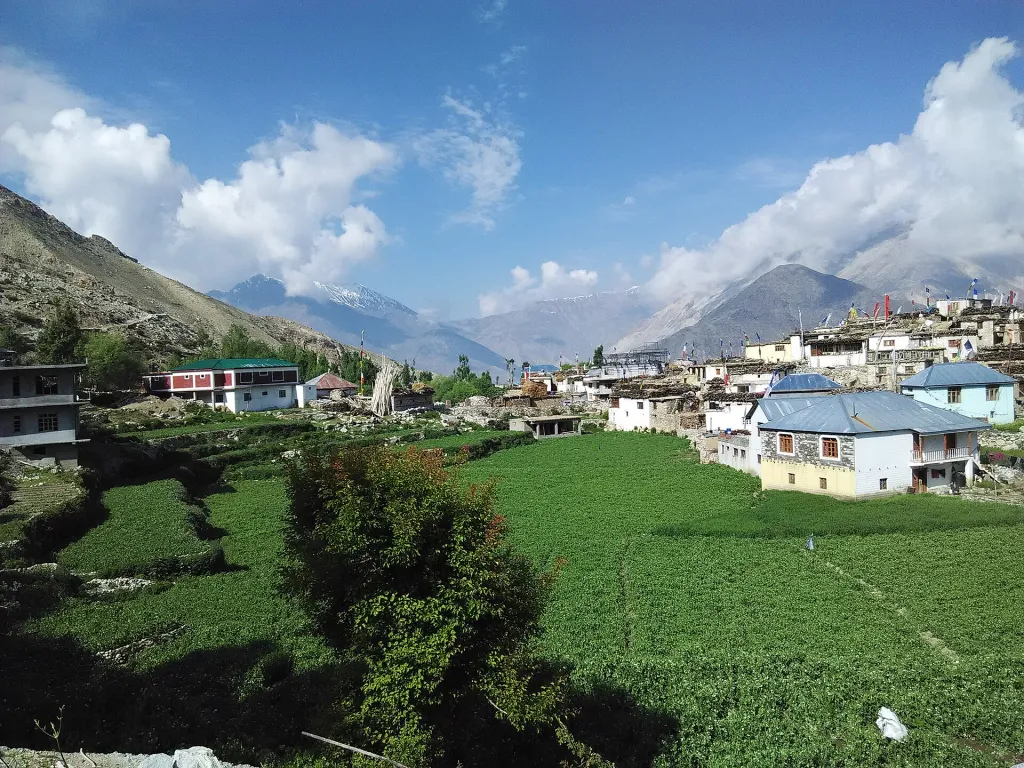
The Nako village
Nako Lake sits beside the village, and there are several old temples. A homestay is the best way to experience it. You need an Inner Line Permit to visit.
How to get there
Spiti is remote and reached mainly by road, driving in from Shimla, Kalka, Chandigarh, Manali or Kullu. The roads are seasonal and slow, so allow time.
The valley rewards the effort, with big landscapes, distinctive culture and plenty of trekking. Any of the places above is worth a stop.
If you loved reading this story, then subscribe to our blog here (it will ask to verify your email) to get inspiring travel stories and trivia delivered to your email. Stories about wildlife trivia, cultural experiences, curated luxury hotel lists, underrated places to travel, polar journeys and much more.