A Kenya migration safari is really two trips in one. There is the migration itself — the crossings, the crocodiles, the sheer noise of a million animals — and there is everything else the Masai Mara holds on an ordinary Tuesday when the herds are somewhere else. Most people book for the first and come home talking about the second.
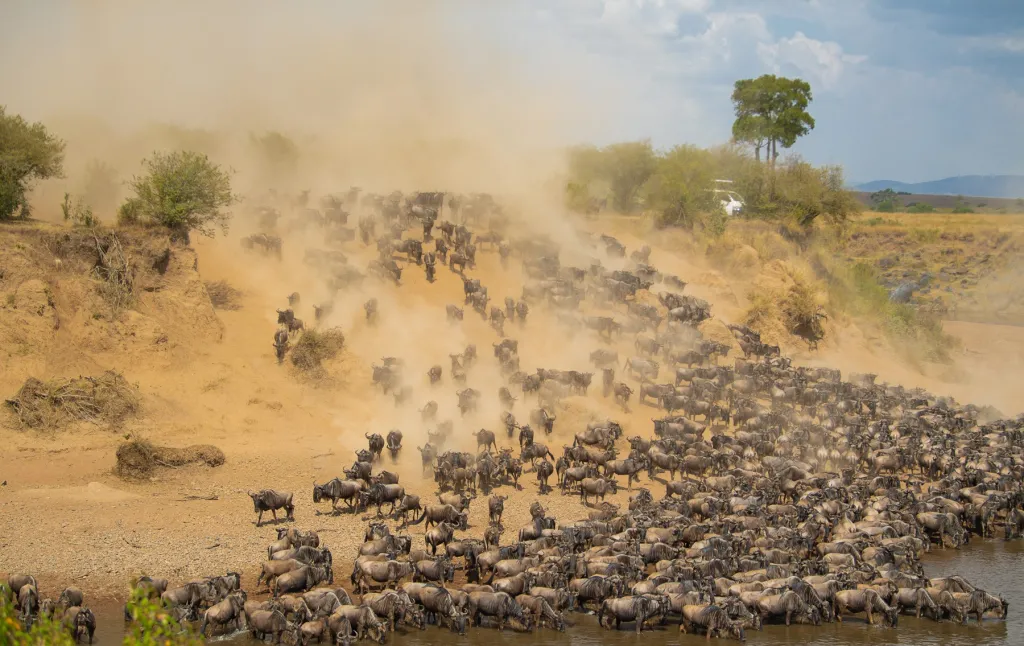
The Great Kenya Migration
The migration brings travellers from every continent to watch wildebeest and zebra move across the plains. But the Mara holds around 95 species of mammal and more than 450 species of bird in 1,510 square kilometres, which makes it one of the densest wildlife areas on earth in any month of the year. Here is what you will actually see.
The migration itself
From July to October the Mara River is the pinch point. The banks are steep, the current is strong, and the water holds some of the largest Nile crocodile in Africa. A herd will gather at a crossing for hours, refuse, and walk away — and then go without warning while half the vehicles have left for lunch. Nobody can promise you a crossing. What can be arranged is several days in the right place, with a guide who reads the herd rather than the clock.
The cats
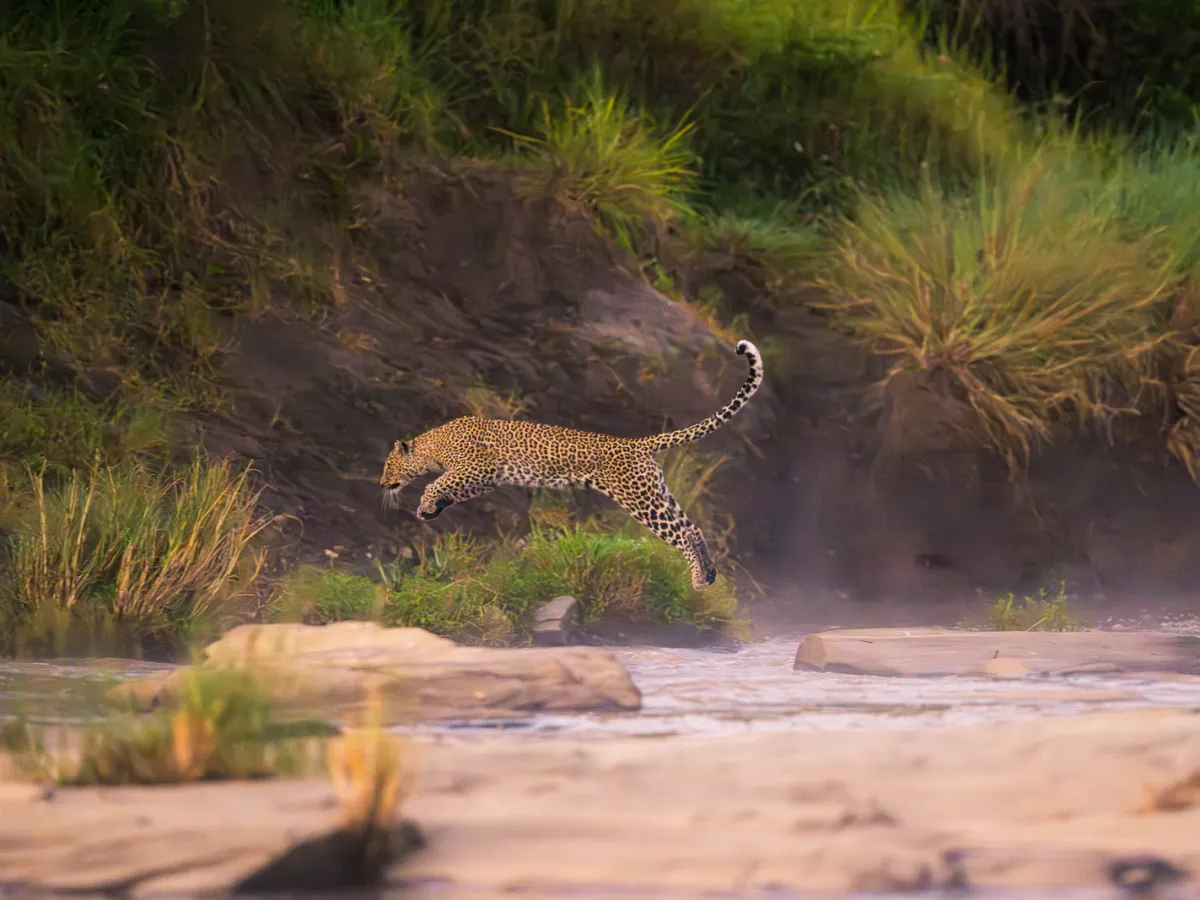
The Mara has the highest density of large predators in Kenya, and the reason is the open ground: you can see a hunt develop from three hundred metres away, which is not true in thicker country. Lion are close to routine and the prides here are large and well known to guides individually. Cheetah favour the short grass, and the Mara is one of the few places where you have a realistic chance of watching a full sprint. Leopard are harder, as they should be — look along the riverine forest at first and last light.

Cheetah chasing zebras, one of a thrilling experiences that takes during Kenya migration safari
The Big Five
Lion, leopard, elephant and buffalo are all here in numbers, and the Mara is one of the few reserves in Africa where seeing four of the five in three days is normal rather than lucky. Rhino is the honest exception. Black rhino do live here, concentrated in the Mara Triangle, but the population is small and nobody should promise you one. Treat a rhino sighting as the bonus it is.
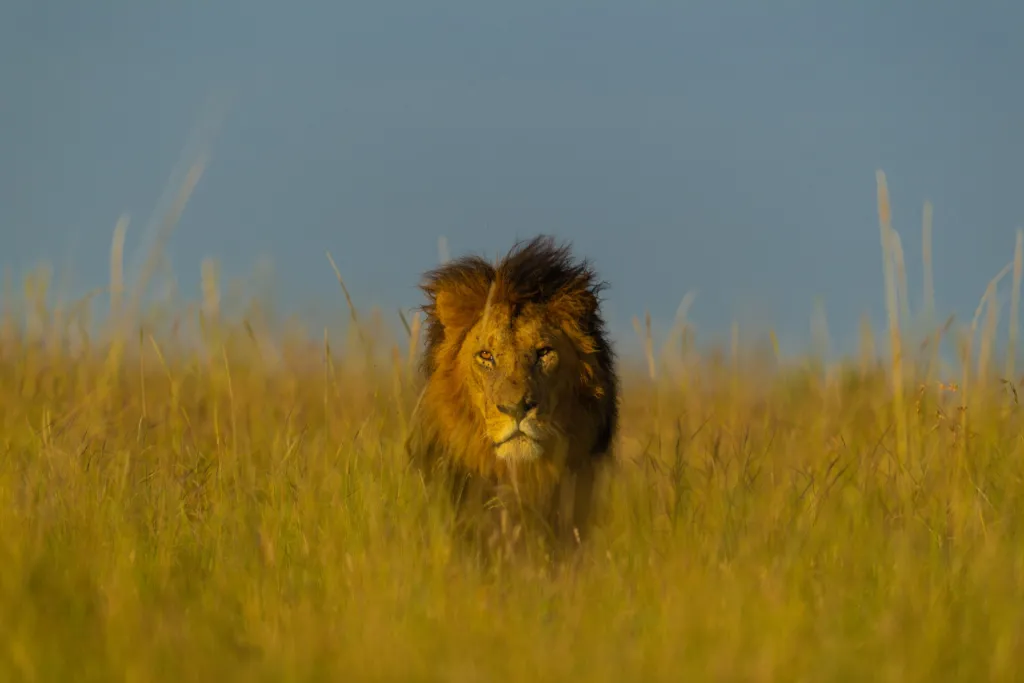
Kenya offers more than just the iconic migration experience; it’s also home to the renowned Big 5, a must-see on any safari adventure.
The herds
The animals nobody books for are the ones that make the ecosystem work. Masai giraffe, topi standing sentry on termite mounds, Thomson’s and Grant’s gazelle, eland, impala, warthog, and buffalo in herds several hundred strong. Hippo pack the Mara and Talek rivers in pods you can hear before you see. Spend a morning with a good guide on topi behaviour and you will understand the plains better than a week of chasing cats.
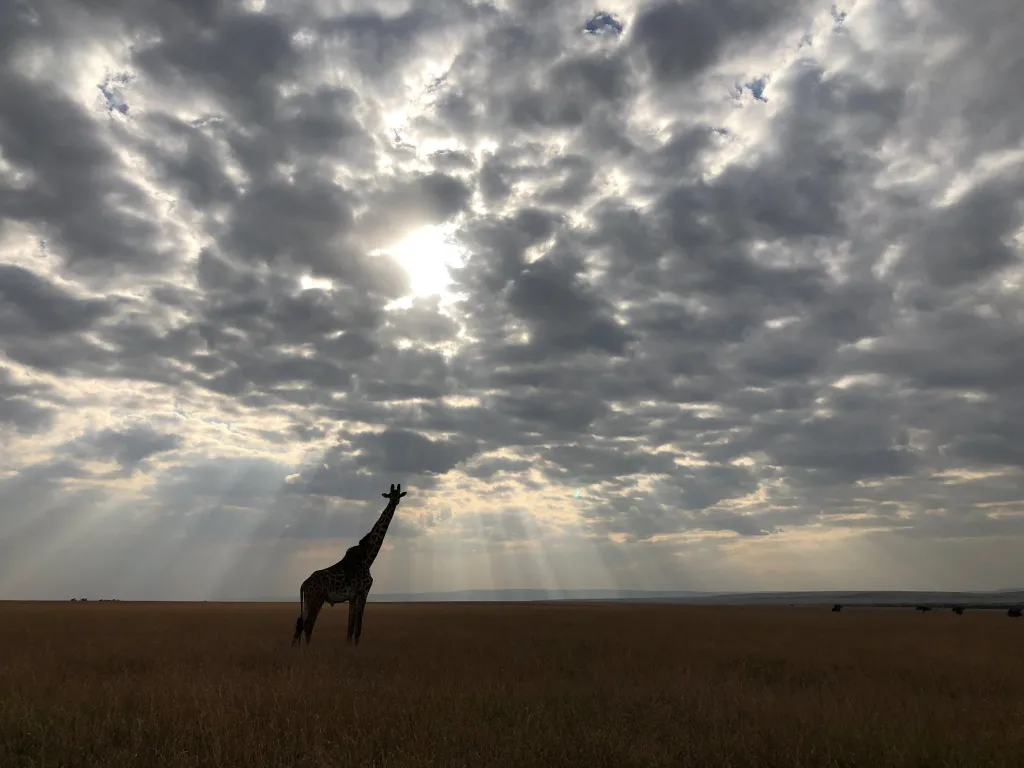
Towering giraffes in the savannah
The birds
More than 450 species, including 57 raptors. Lilac-breasted rollers on every third bush, secretarybirds striding through the grass, saddle-billed storks on the river, martial and bateleur eagles overhead, and southern ground hornbills working the short grass in family parties. If you are travelling between November and March you get the Palearctic migrants on top of the residents, which is the best birding of the year and, not coincidentally, the quietest season in camp.
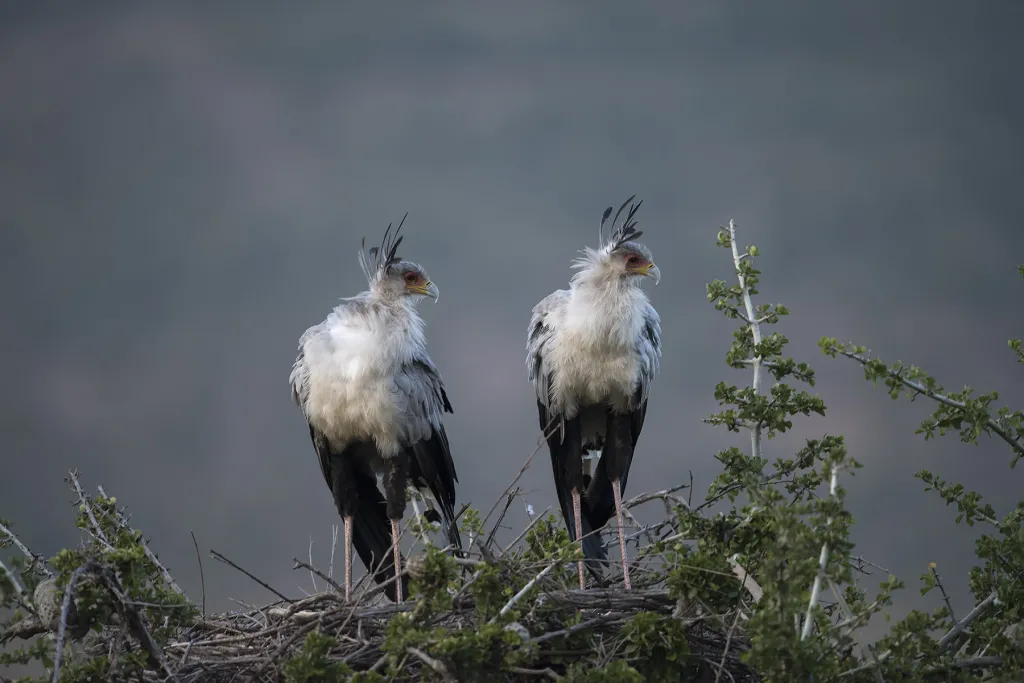
Two majestic Secretarybirds perched on a branch, overlooking the Kenyan savannah during a thrilling safari adventure
The migration is the reason most people come to Kenya. It is rarely the thing they remember. Build the trip around the crossings by all means, but leave room in it for the mornings when nothing is crossing anything, because those are the mornings the Mara does its real work.