Ranthambore National Park, in the Sawai Madhopur district of Rajasthan, is one of the largest and most-visited tiger reserves in India. Across its 1,334 sq km it holds Bengal tigers and much other wildlife, set against the old Ranthambore Fort and the Aravalli and Vindhya hills.
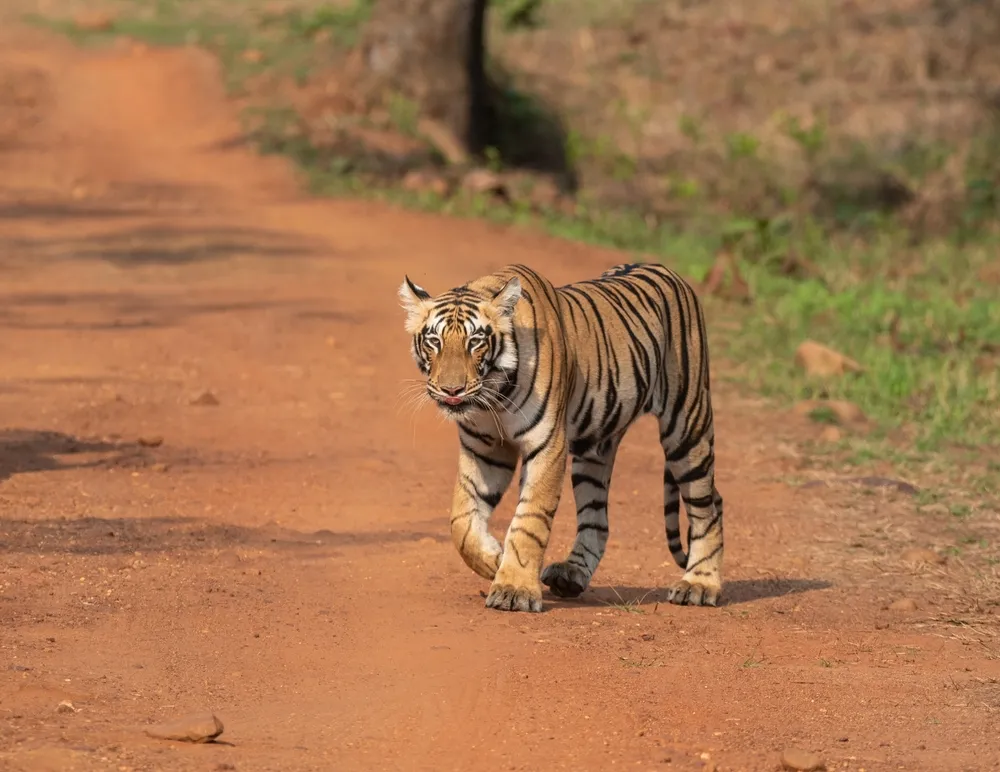
There are 10 safari zones, each allowing a different landscape and the possibility of viewing varied wildlife. Below is a detailed guide to the zones, which help manage the influx of tourists while ensuring minimal disturbance to wildlife.
Zone 1:
Safari Route: Singhdwar→ Raipur→ Amreshwardang→ Tuti Ka Nalla→ Sultanpur→ Gada dub→ Khariya Chatha→ Katt-padi deh→ Kalapani anicut→ Pilapani→ Back to Singhdwar.
Length: 20 km
Zone 1 is known for excellent tiger sightings, with T-39 (Noor) and her cubs being frequently spotted. The zone has dense forests that open into grasslands near water bodies, creating the perfect habitat for tigers. Notable areas like Sultanpur and Tuti Ka Nalla are known for their high tiger activity, making it one of the best zones for wildlife photographers and enthusiasts. This zone is also rich in birdlife and other wildlife like sloth bears and leopards.
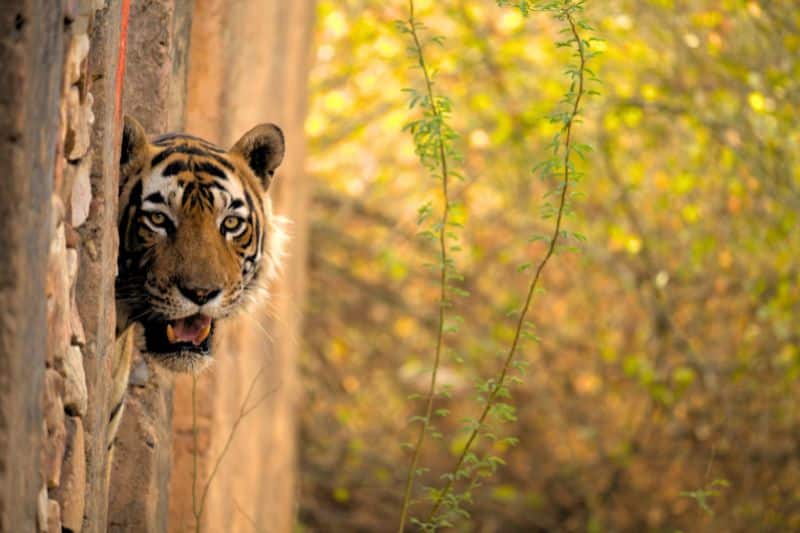
This zone is the habitat with the highest concentrations of tigers and, as such, a highly sought-after choice by most visitors. There is a good chance of seeing the big cats in their natural habitat. Tooti Ka Nalla, Sultanpur, Kharia, and Gada Dub are the important locations where tigers can be seen in this zone.
The tigers seen in Zone 1 are T-107 aka Sultana, T-39 aka Noor, T-105 Noori and her Cubs and T-101 Male Tiger.
Zone 2:
Safari Route: Jogimahal Gate→ Jhalra→ Kamaldha→ Amrai→ Footabandha→ Pandudeh→ Guda→ Gandhria→ Polkiya→ Back to Jogimahal Gate
Length: 20 km
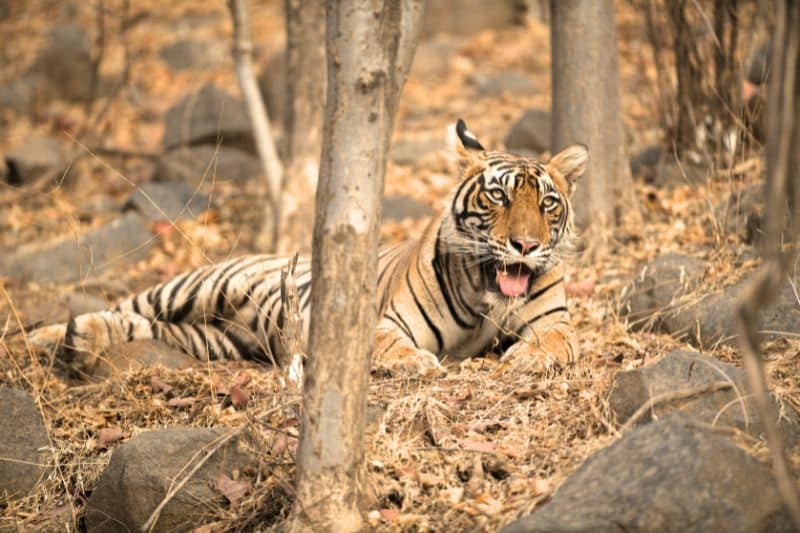
Zone 2 is one of the most frequently visited zones for its excellent tiger sightings, mainly around Jhalra and Pandudeh. Tigers like T-24 (Ustad) have made this sector famous. The terrain is varied, a mix of forest and open grassland, giving good spots for tigers and other wildlife like spotted deer, sambar, and several bird species.
Zone 3:
Safari Route: Jogimahal Gate→ Padam Talab→ Rajbagh→ Mandook→ High Point→ Back to Jogimahal Gate
Length: 18 km
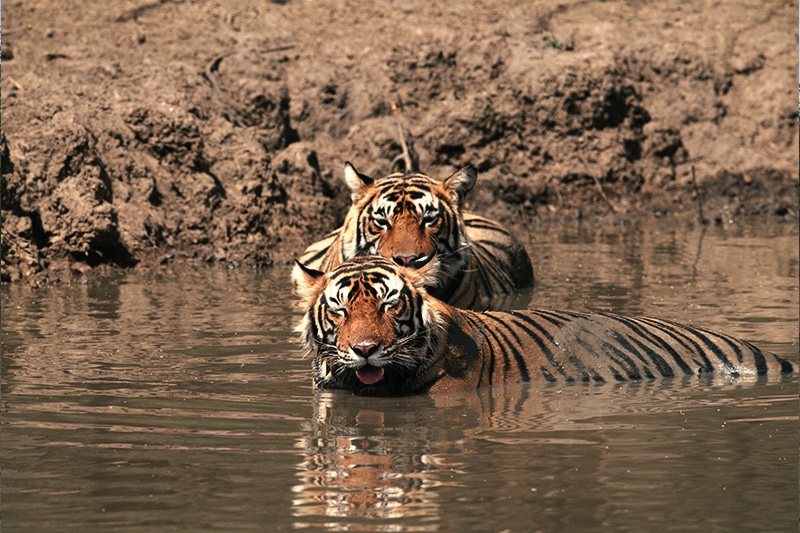
Zone 3 is known for its lakes, Raj Bagh and Padam Talab, with the Ranthambore Fort as a backdrop. Renowned for tiger sightings, the area includes key spots like Jogi Mahal, Padam Talab, High Point, Raj Bagh, and Mandook. Visitors have the chance to see tigress T-124 (Riddhi) together with her cubs, as well as male tigers T-120 and from time to time T-121. The zone’s accessibility is through the Jogi Mahal Gate, making it a top spot for both tiger sightings and birding.
Zone 4:
Safari Route: Singhdwar→ Tambakhan→ Malik talab→ Lakkad Da→ Berda→ Semali→ Adidant→ Back to Singhdwar
Length: 27 km
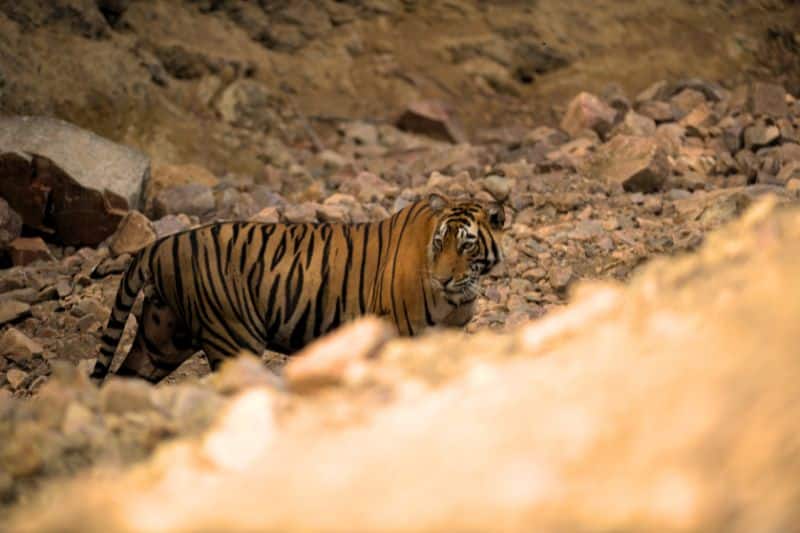
This rugged zone of rocky hills and dense forest is a quiet one, good for spotting leopards and other wildlife. It is also strong for tiger sightings, including the well-known tigress Machhli (T-16) and Riddhi (T-124) and her cubs, as well as T-111 (Shakti) and her cubs. Key locations for gazing tigers in their natural habitat include Malik Lake, Lakkad Da, Adi Dant, Lambi Ka Nala, Tamba Khan, and Berda.
Zone 5:
Safari Route: Singhdwar→ Jokha→ Kachida→ Dhakda→ Bagdah→ Bakola→ Anatpura→ Back to Singhdwar
Length: 18 km
Like Zone 4, Zone 5 has several important points for wildlife sightings. These include Singhdwar, Anatpur, Jokha, Dhakda, Kachida, Baghda, and Bakola. The big cats which are seen in this area include T-25, T-28, T-17, T-74, and T-75. The sanctuary zones from 6 to 10 were added later; the entry point for these zones is from the opposite end of zones 1 through 5, and the old city is traversed by gypsies and canters.
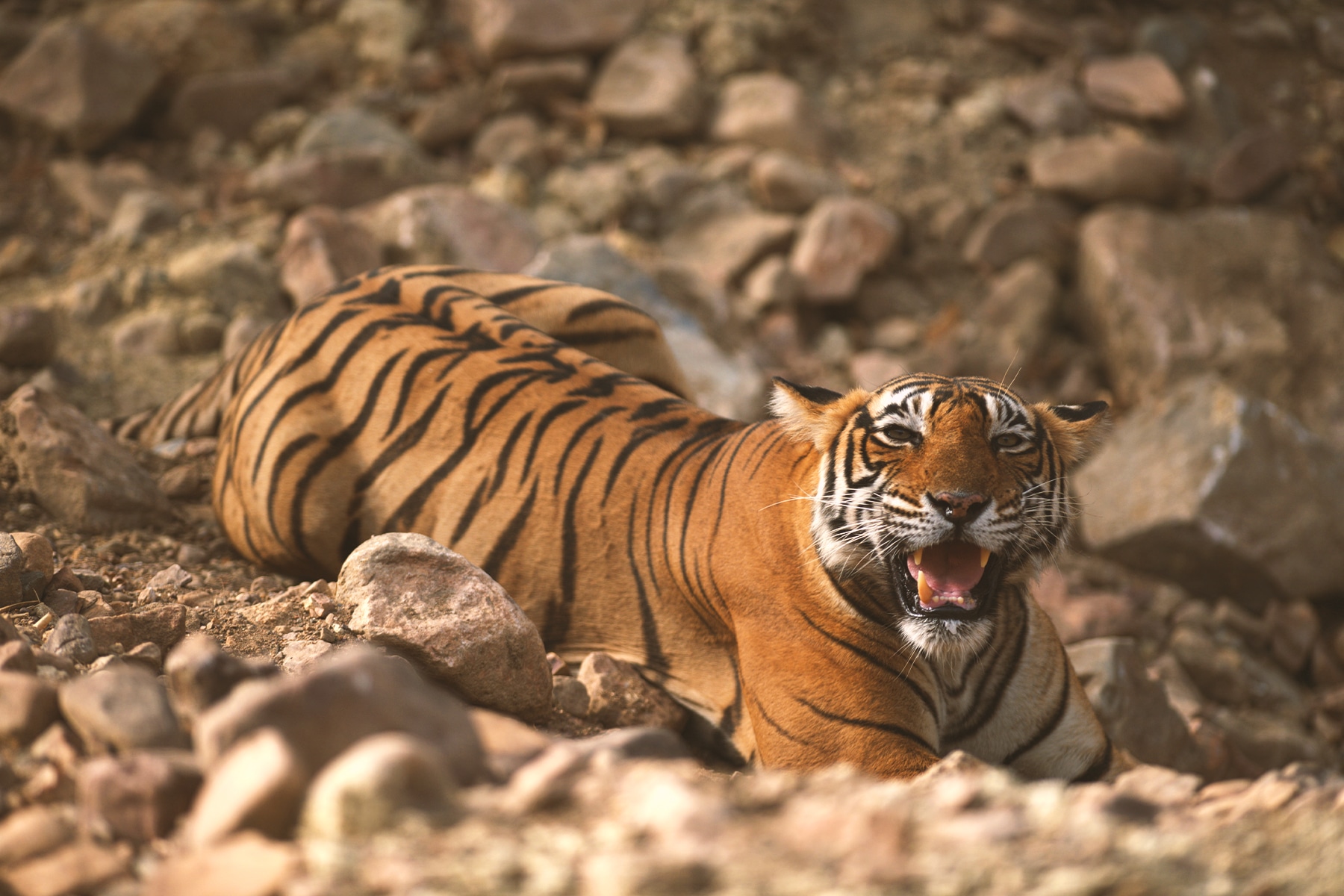
Zone 6 (Kundal):
Safari Route: Rajbagh Naka→ Pallidarwaja→ Kundal Area→ Patawabaori→ Mansarovar→ Guda
Length: 27 km
This zone is popular with wildlife photographers for its variety of wildlife, including Indian gazelle and rare birds such as the endangered red-headed vulture. Important tiger sighting places include Kala Pani, Saran ka Pathe, Khali Ki Baori, Khabli, and Soleshwar. Since the area is close to the city, some cattle wander in, and tigers such as T-34 (Kumbha) prey on them. T-101 (Badal), T-127 (Laxmi), T-139 (Sultana’s son), and T-108 (Jai) are also notable tigers.
Zone 7 (Chidikho):
Safari Route: Rajbagh Naka→ Chidikho→ Jamoda→ Kushalidarra
Length: 12 km
This zone is uncrowded, with close wildlife encounters. Its water bodies, hilly terrain and steep climbs make it one of the best zones for photography.
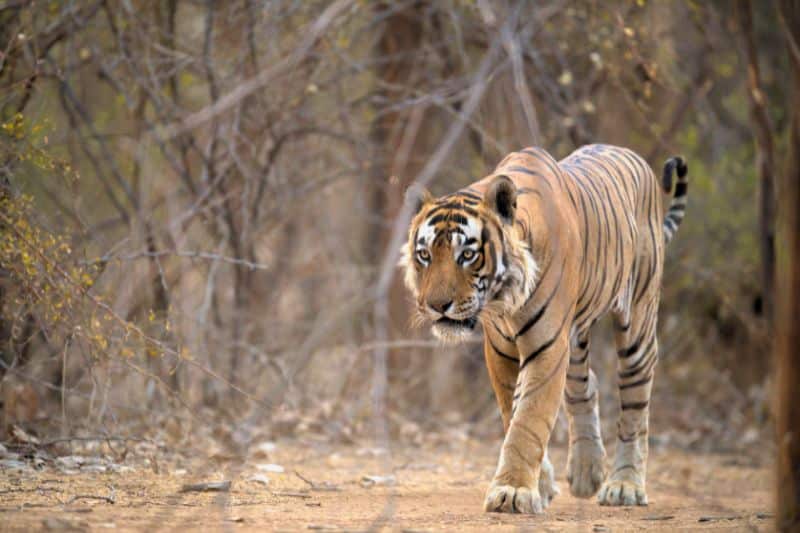
The important tiger sighting locations here are Chidikho and Jamoda. Tigress T-8 is often here, along with T-34, around Chidikho, Jamoda, Kushalipura and Rajbagh Naka.
Zone 8 (Balas):
Safari Route: Balas→ Neemalidang→ Kalibhat→ Kharai→ Mahakho
Length: 16 km
Also known as Balas, this is a denning zone in the scenic Aravalli Hills. The terrain suits leopards, and the birds here include honey buzzard and Indian courser.
Mahakho, Kali Bhat, and Kherai are some of the areas where tigers are most commonly spotted. Since Zone 7 and 8 are close to each other, the tigers and tigresses roam in Zone 8 as roam in Zone 7.
Zone 9 (Kuwal Ji):
Safari Route: Qualji→ New Talai→ Ghati Ka Tiraha→ Kamleshwar Mandir View Point→ Chakal Nadi Road→ Pandu Kho→ Gajipur Tiraha→ Gajipur→ Devpura
Length: 22 km
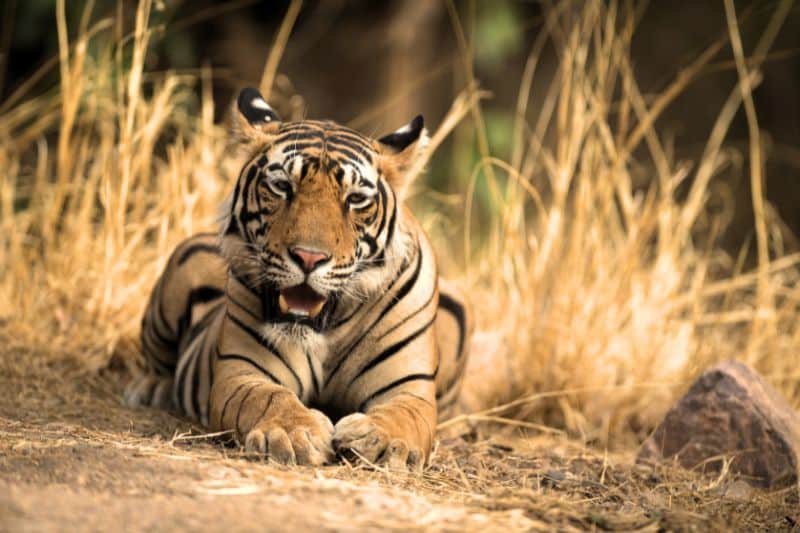
Located along the Chakal River in the Phalodi Range of Ranthambore Tiger Reserve, this zone is around a 45-minute drive from Ranthambore and offers easy access. This zone has vast grasslands and hills, good for photography and for tigers, including T-129 (a son of T-108) and tigress T-59.
Zone 10 (Aantri):
Safari Route: Halonda→ Kailashpuri→ Antari→ Bebri→ Jojeswar Mandir View Point → Devpura Band
Length: 20 km
This zone is 14 km away from Ranthambore and offers a lovely landscape with water sources as well as the resultant hilly tracks, thus making it a perfect setting for wildlife gazing and birding. In one of the relatively less crowded zones, there are more chances of sighting diverse wildlife like tigers, leopards, bears, jackals, hyenas, and deer. It’s a very good zone after Zones 1 through 5 for tiger sightings, with residents like Tigress T99 (Aishwarya), daughter of Tigress T114, and Tiger T108 (Jai).
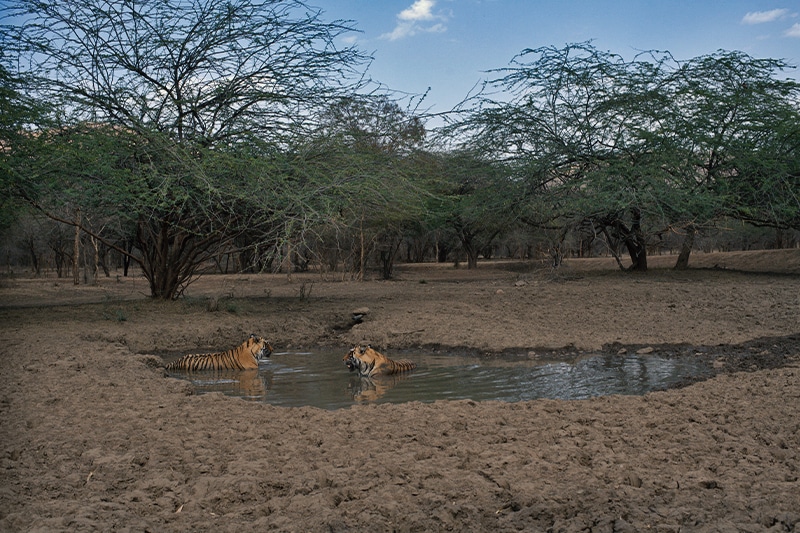
Safari zones of Ranthambore National Park are quite the experience for all wildlife enthusiasts and adventure-seekers. With each zone placing its unique landscape and opportunities for viewing wildlife, this park has something for everyone who visits. So pack your bags and get ready for an exhilarating journey into one of India’s most famous national parks!
If you loved reading this story, then subscribe to our blog here (it will ask to verify your email) to get inspiring travel stories and trivia delivered to your email. Stories about wildlife trivia, cultural experiences, curated luxury hotel lists, underrated places to travel, polar journeys and much more.