Enquire
Home  /  Kenya  /  Mombasa
The coast · Swahili Kenya

Mombasa

Five hundred years of Swahili, Arab and Portuguese history on one island — the cultural gateway to the coast, not a beach in itself.
Getting there
1-hr flight from Nairobi, or the modern train
Best for
Swahili history, Old Town, Fort Jesus, coastal food
What it is
A historic port city — the gateway, with beaches just outside
Honest note
The beaches are out of town, at Nyali and Diani
What it is
People treat Mombasa as a beach. It’s really a 500-year-old crossroads.
Mombasa is one of the oldest cities in East Africa, an island port where Swahili, Arab, Indian and Portuguese worlds have met and mixed for half a millennium. The result is in the food, the carved doors, the call to prayer and the coral-stone lanes of the Old Town. The famous beaches are real but lie just outside the city — Mombasa itself is the cultural and historical heart, the gateway you pass through and shouldn’t skip past.
The reason to come

Where four worlds met

Mombasa’s history isn’t in a museum — it’s in the streets, the stone and the cooking. Four traditions layered into one coastal culture you can walk through.

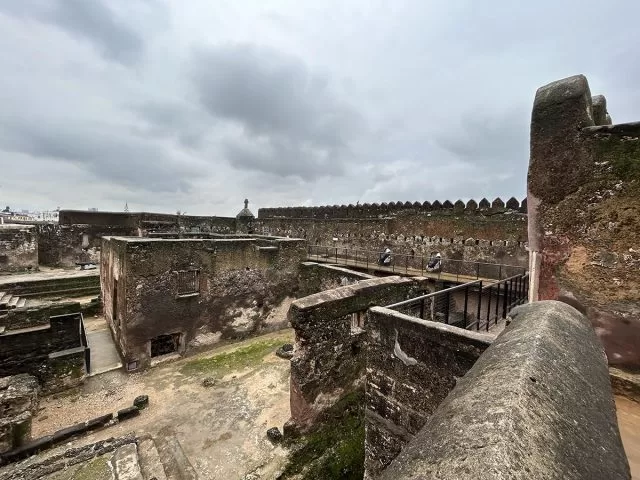
Fort Jesus

A 16th-century Portuguese fort that changed hands nine times — the coast’s blood-and-trade history in one coral-stone building.

The Old Town

Narrow lanes of Swahili-Arab houses, carved doors and balconied façades — best seen slowly, on foot.

Swahili food

Coconut, tamarind, cardamom and the sea — biryani, samaki wa kupaka, street-side mahamri. The cuisine is the culture.

The port

For centuries the dhow trade ran from here to Arabia and India — the reason all those worlds collided on one island.

A note on the city

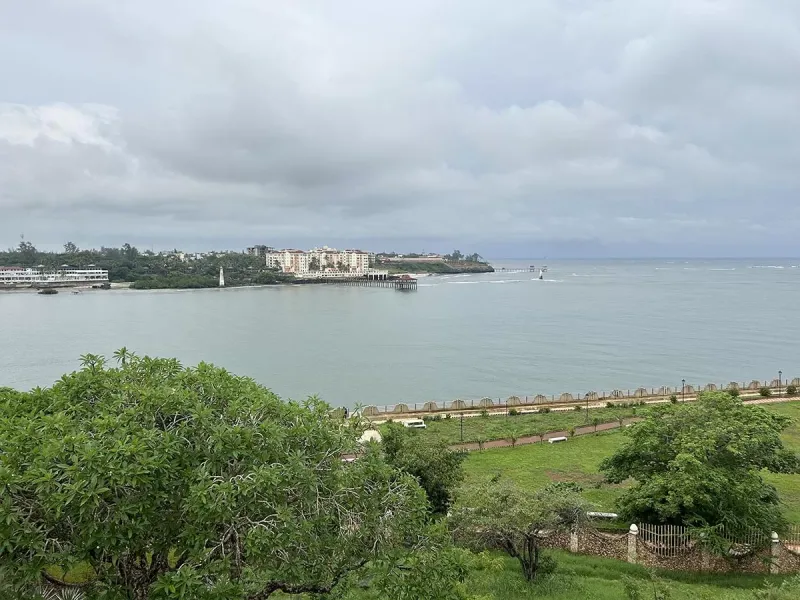
Mombasa is a real, working port city — hot, busy and gritty in places, not a polished resort. That’s the point: you come for the living history, then move 30 minutes up or down the coast for the sand.
Just beyond the city

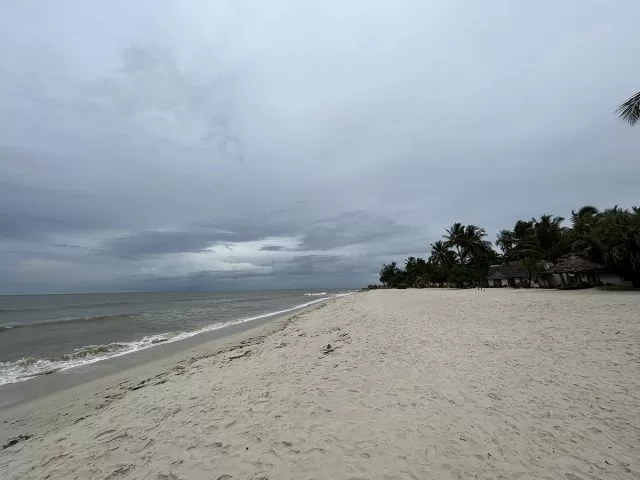
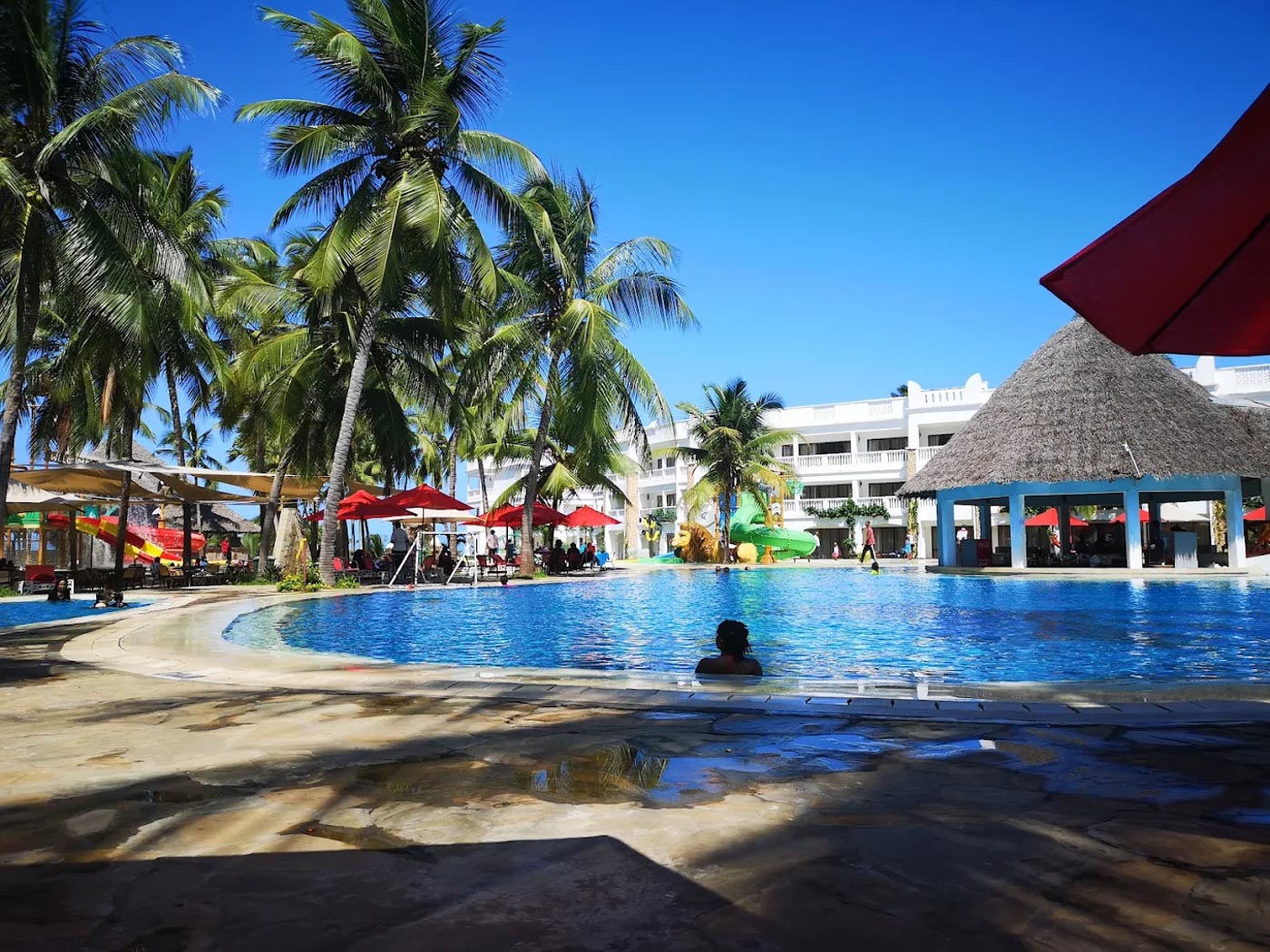
The beaches are a short hop in either direction.

Mombasa makes most sense as a cultural day or two bolted onto beach time. Nyali and Bamburi sit just north, Diani a short way south — white sand and reef within easy reach of the Old Town. The smart coast trip uses Mombasa for its history and food, then decamps to the beach for the rest. Treat the city as the soul of the coast and the sand as its edge.
When to come — honestly

Warm all year — pick the drier months.

December – March
Best
Hot and dry — Reliable sun and calm seas — peak coastal weather, and the busiest, priciest stretch.
July – October
Good
The cooler dry spell — Pleasant, breezier and quieter, with good conditions and softer prices than the December peak.
The long rains (April–May, into June) are the wettest and most humid — some coastal places wind down. The coast is hot and humid year-round; pack for heat whenever you come.
Why it matters

The mother city of the Swahili coast.

Swahili civilisation — its language, its architecture, its trading culture — grew up along this coast, and Mombasa was one of its great hubs. To understand the whole East African coast, from Lamu to Zanzibar, you start to understand it here.

That depth is why we’d argue against treating Mombasa as just an airport on the way to a resort. A guided walk through the Old Town with someone who knows its families and stories turns a transit stop into the most memorable part of a coast trip.

We’ve skipped the dynastic dates and the trade statistics. What shapes your visit is simpler: walk the Old Town with the right guide and the history stops being abstract.
Beyond the obvious

Three things the city does best.

Walk the Old Town

A slow, guided wander through the carved doors and coral lanes — the city’s soul, on foot.
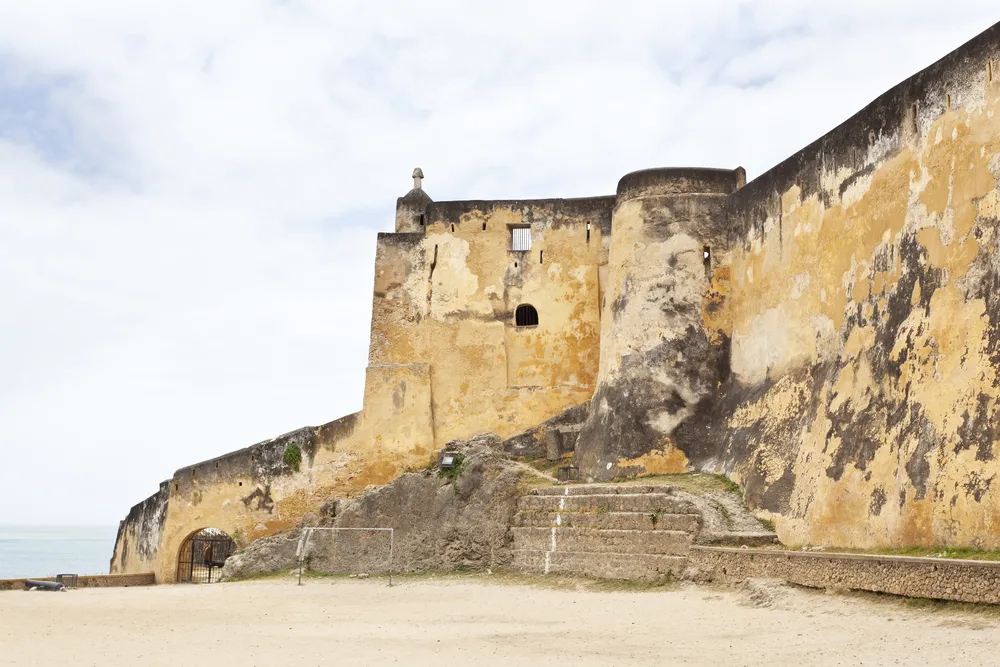
PhotoFort Jesus at dusk

Fort Jesus at dusk

The Portuguese fort as the light drops and the day cools — history with the harbour behind it.
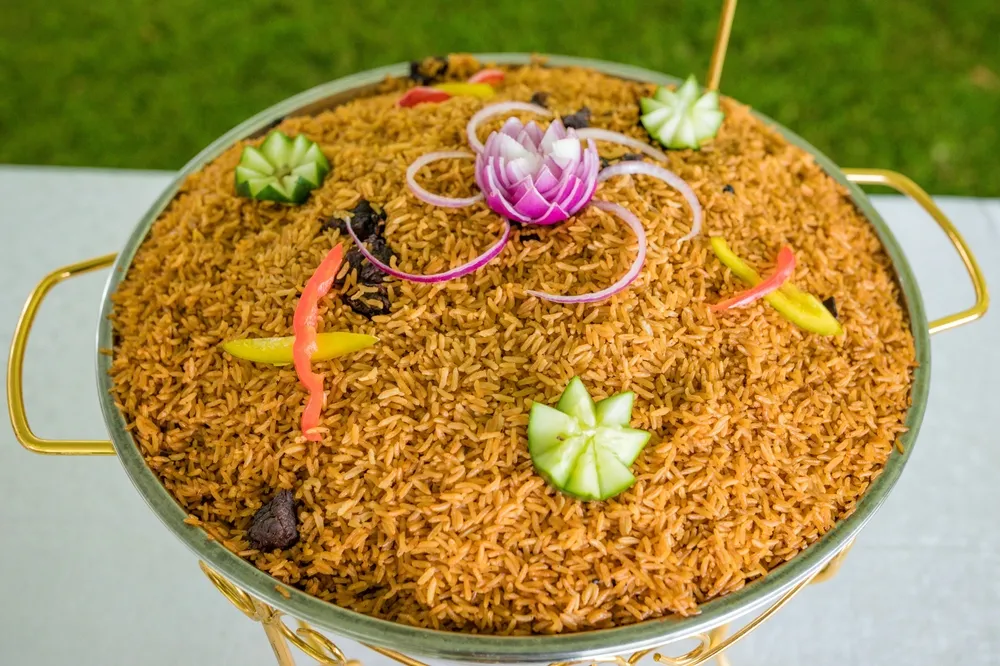
PhotoEat the coast

Eat the coast

A Swahili food trail — biryani, fresh-grilled fish, coconut sweets — guided to the places locals rate.

Why Wild Voyager

Most operators treat this as an airport.

We treat Mombasa as the cultural start of the coast, not a transit lounge — and the difference is entirely in the guiding and the sequencing.

We guide the Old Town properly

A walk with someone who knows the families and the food, not a coach-stop snapshot of Fort Jesus.

We balance city and sea

We use Mombasa for its history, then move you to the beach — clear about what the city is and isn’t.

We join it to the bush

Mombasa with Tsavo inland, or the southern beaches, sequenced as one coast-and-safari trip we run ourselves.

Begin the coast where it began,
then go find the sand.

Mombasa is the cultural start of a coast trip — pair its history with the beaches of Diani or a Tsavo safari inland. We’ll balance the city and the sea.

Plan a Mombasa stay
Field notes, now and then.

Where to go · When to go · Wildlife in season

A few times a year, never more. Unsubscribe anytime. See our Privacy Policy.