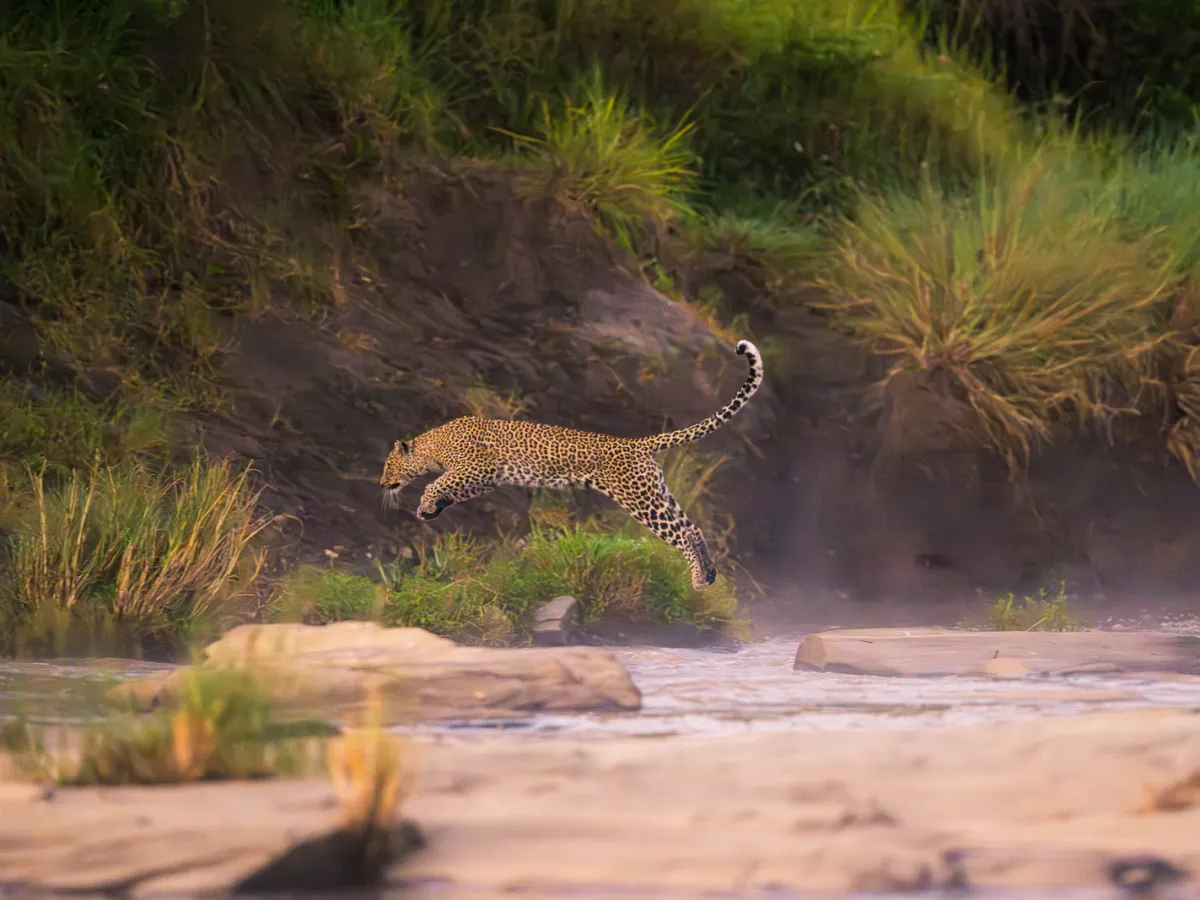
Wildlife in India is not only tigers and national parks; the birding is world-class too. India holds around 1,200 bird species, about 12% of the world’s total, from the high Himalayas to the backwaters of Kerala and the forests of the north-east.
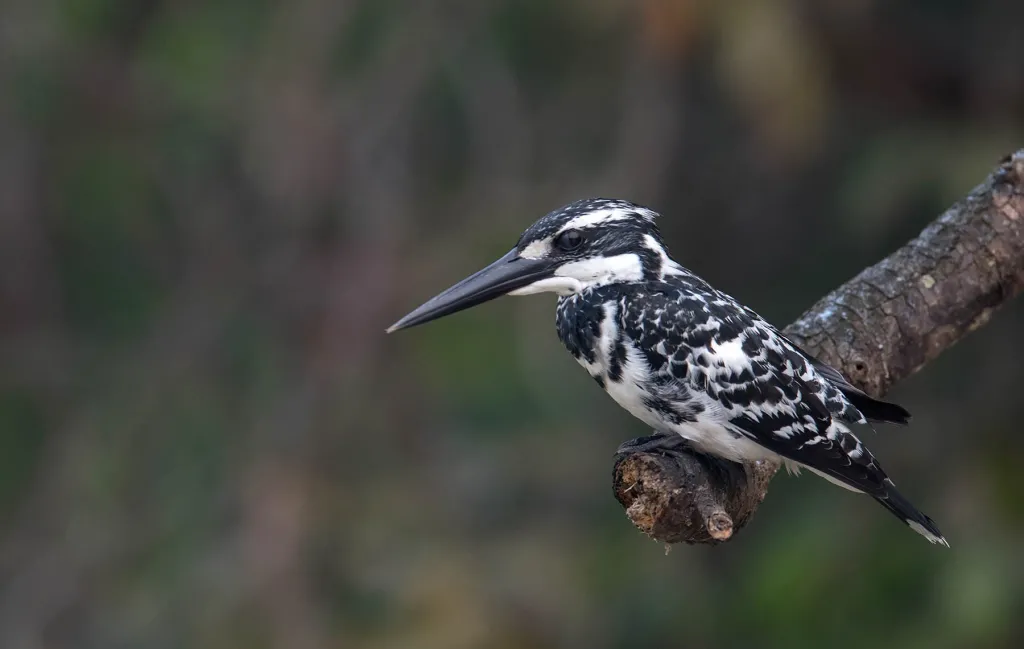
Pied Kingfisher
Birders and ornithologists have long come here for the mix of resident and migratory species. Plenty of tailored birding trips exist, but if you have already done the well-known spots, here are ten quieter ones.
Munsiyari, Uttarakhand
Munsiyari is a scenic village in the Pithoragarh district of Uttarakhand, high in the Himalayas at about 2,300 metres, and often compared to Kashmir for its setting.
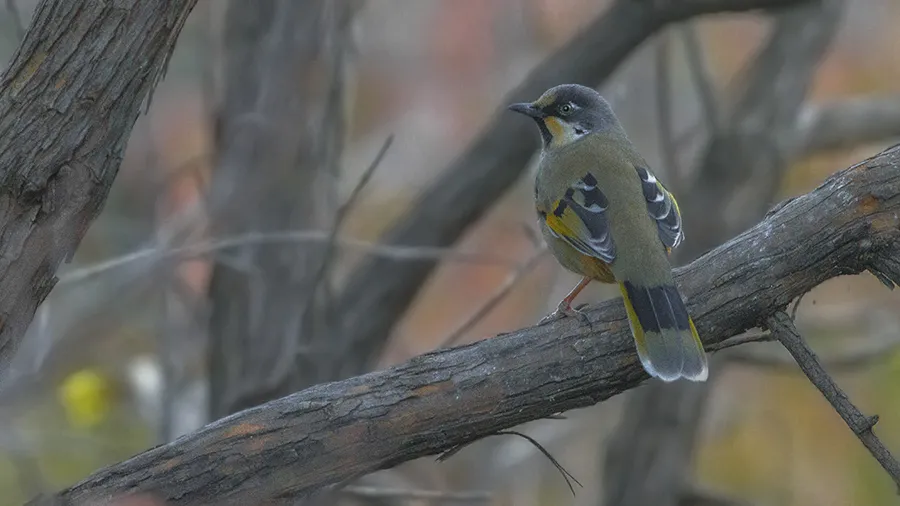
Variegated Laughingthrush
Popular with hikers but not yet with birders, it is surrounded by deodar, pine and rhododendron forest. Alongside residents you may find migrants such as the Himalayan griffon and serpent eagle, plus chukar partridge, white-browed fulvetta, winter wren, variegated laughingthrush and white-throated tit. Over 300 species have been recorded.
Manila, Uttarakhand
Manila is a small hamlet in the Almora district, at about 1,820 metres and roughly 45 km from Corbett, with wide Himalayan views and the Maa Neela Devi temple.
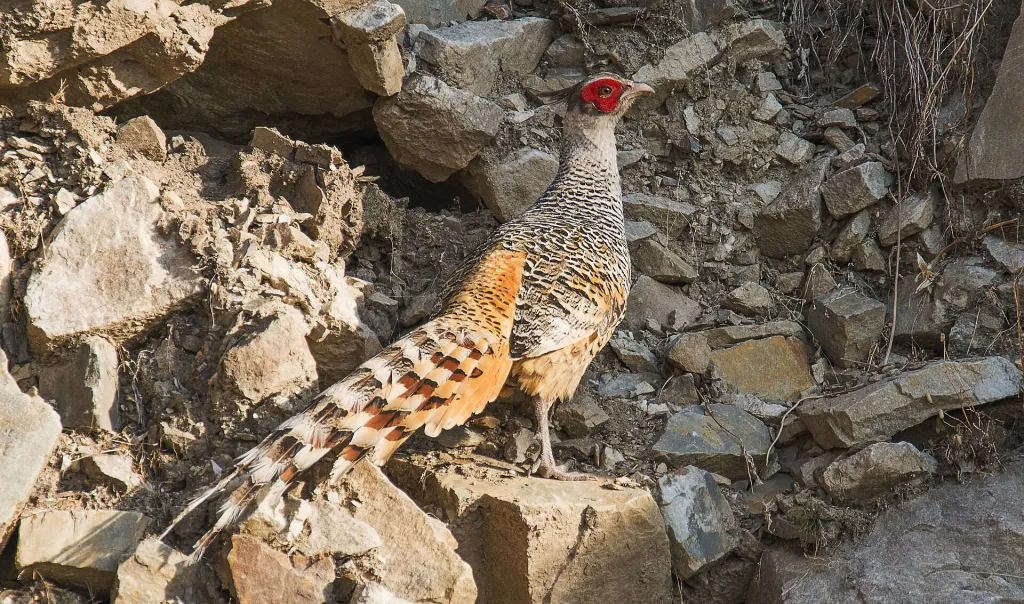
Cheer Pheasant or Wallich’s pheasant
Its forests hold many birds. The one to look for is the cheer pheasant, a vulnerable species. Others in Manila and the wider Kumaon include verditer flycatcher, kalij pheasant, rufous sibia, blue whistling thrush and black-headed jay.
Chiplun, Maharashtra
Chiplun, in the Ratnagiri district of Maharashtra, is known for its beaches and its mango and cashew groves. It sits on the Vashishti River with the Western Ghats to the east, which gives it a rich range of birdlife.
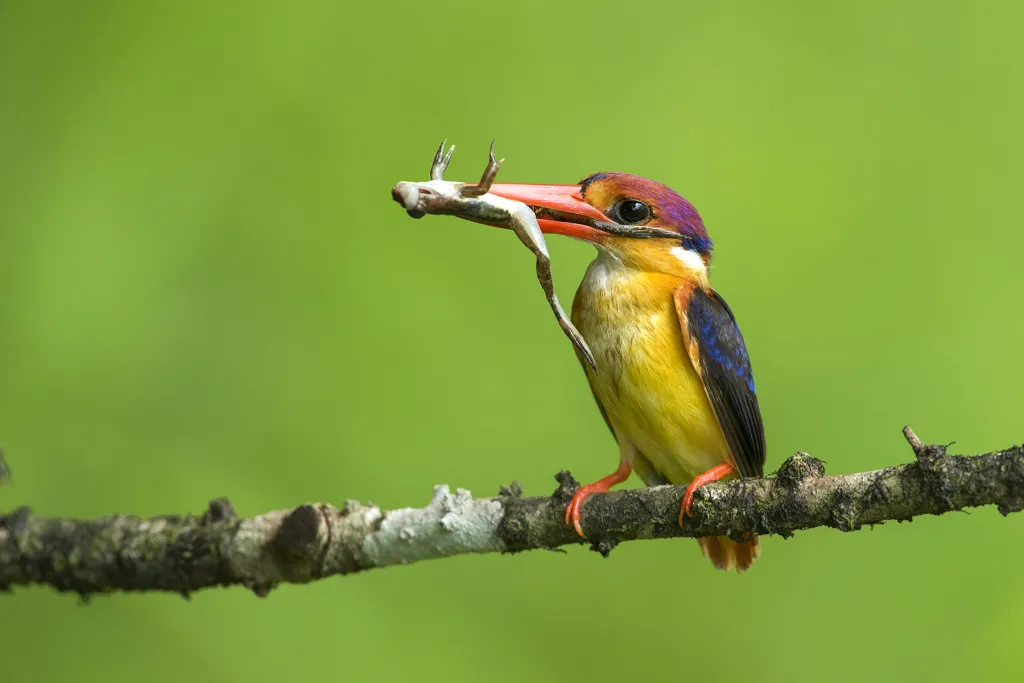
Oriental Dwarf Kingfisher
It has more than 350 species. A highlight is the oriental dwarf kingfisher, a tiny, brightly coloured bird with a coral-red bill that hunts insects, fish and frogs near lowland streams.
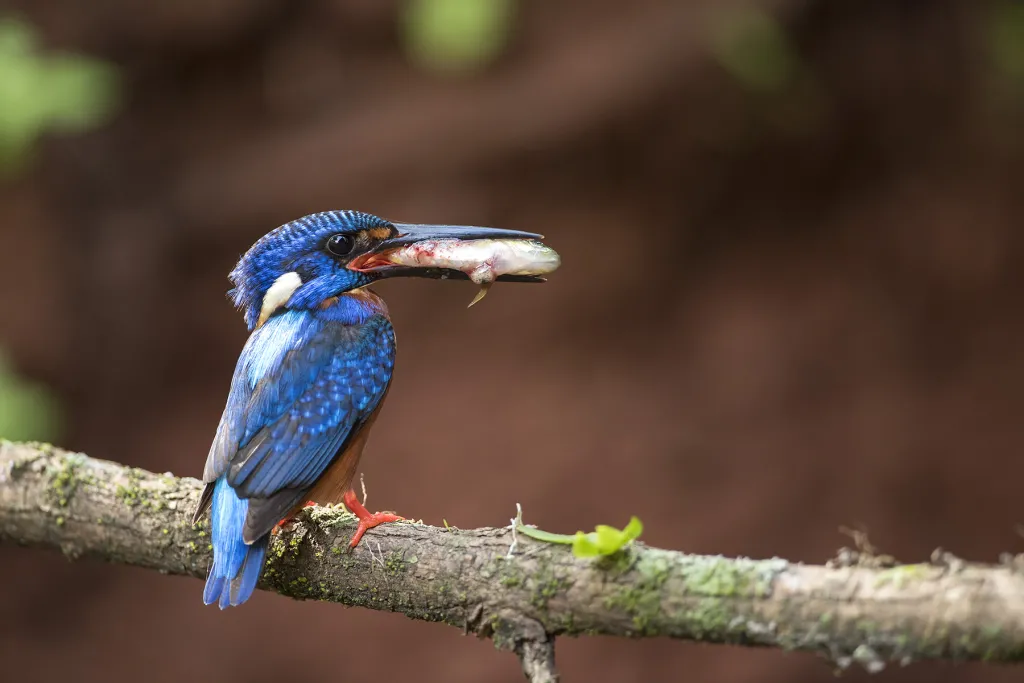
Blue-eared Kingfisher
The blue-eared kingfisher, marked by its blue ear-stripe, is also here, hunting shaded forest streams. Other birds include eagles, barbets, hornbills, robins, sunbirds and drongos.
Bhitarkanika, Odisha
Bhitarkanika, in Odisha, is India’s second-largest mangrove system, crossed by four rivers and famous for its large saltwater crocodile population.
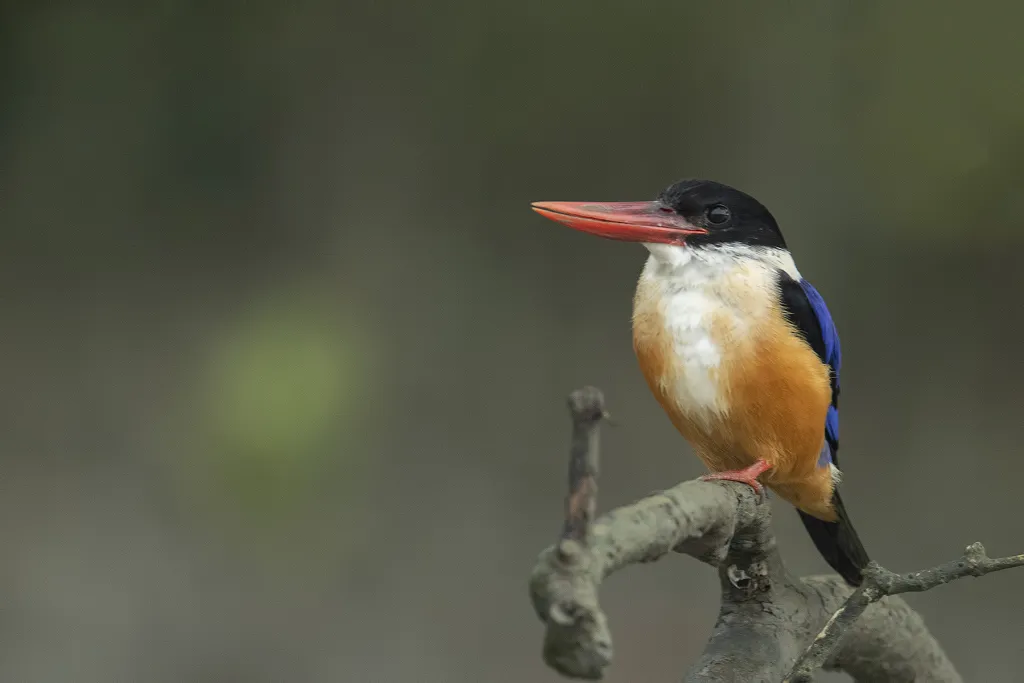
Black-capped Kingfisher
The mangroves and rivers make excellent bird habitat, with around 320 species. It is especially good for kingfishers: eight species occur here, including brown-winged, collared, stork-billed, black-capped, ruddy, pied, common and white-throated. You may also see mangrove whistler, oriental darter, black-headed ibis and Eurasian oystercatcher.
Bhagwan Mahavir Sanctuary, Goa
In the foothills of the Western Ghats, Bhagwan Mahavir is Goa’s largest sanctuary, with rich biodiversity and sights such as the Dudhsagar waterfall and Devil’s Canyon.
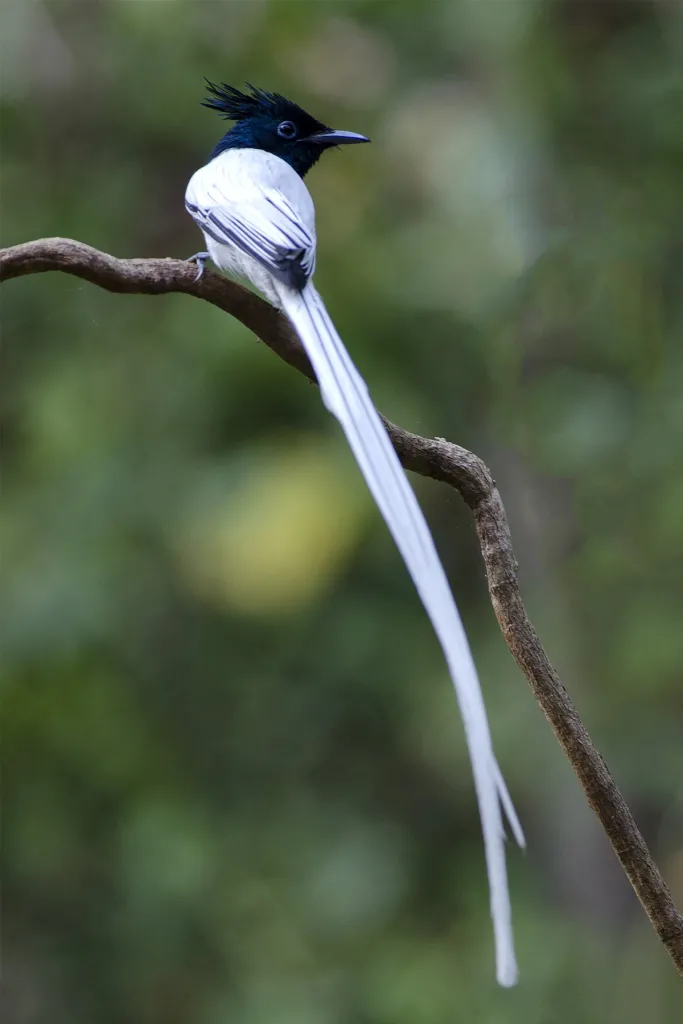
Paradise Flycatcher
Its tropical evergreen forest holds more than 100 bird species. The state bird of Goa, the Malabar (ruby-throated yellow) bulbul, is common, and you may also see golden oriole, paradise flycatcher, emerald dove, Malabar pied hornbill, crested serpent eagle and grey-headed myna.
Chidiya Tapu, Andaman
Chidiya Tapu, or “bird island”, sits at the southern tip of South Andaman, with mangroves and ocean views and a distinctive island flora and fauna.
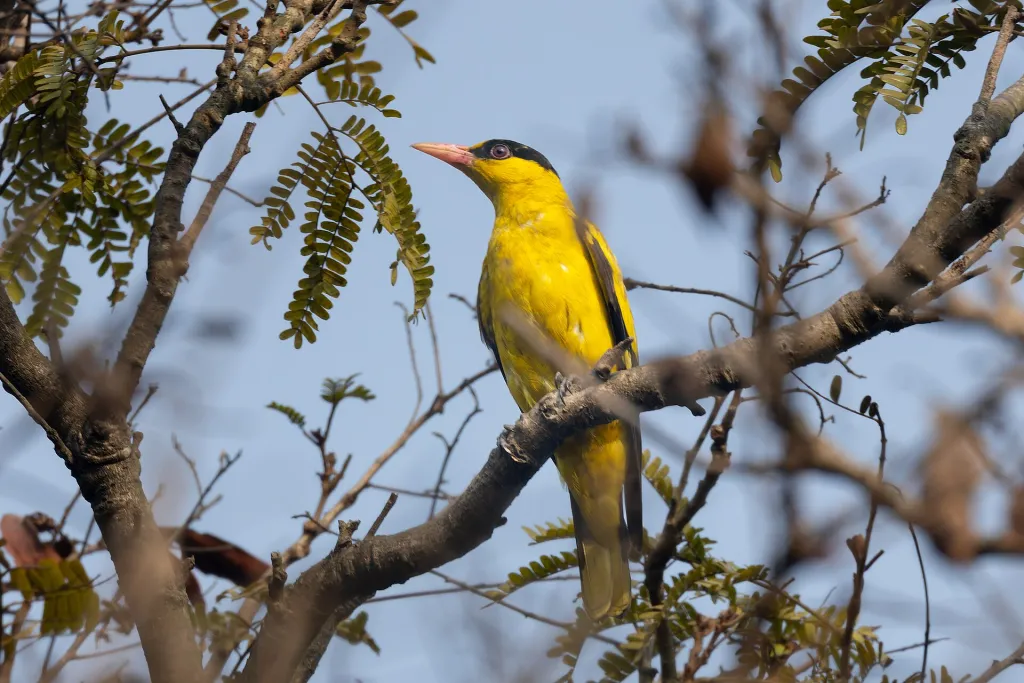
A Black-Naped Oriole
It is a rich birding spot, with resident, endemic and migratory species. Wood pigeons, woodpeckers, cuckoos, doves, black-naped orioles and treepies are common, and you can snorkel afterwards.
Mishmi Hills, Arunachal Pradesh
The Mishmi Hills, in the far north-east, take in tropical forest, bamboo, alpine meadow and grassland, with views to the snow peaks of the eastern Himalayas.
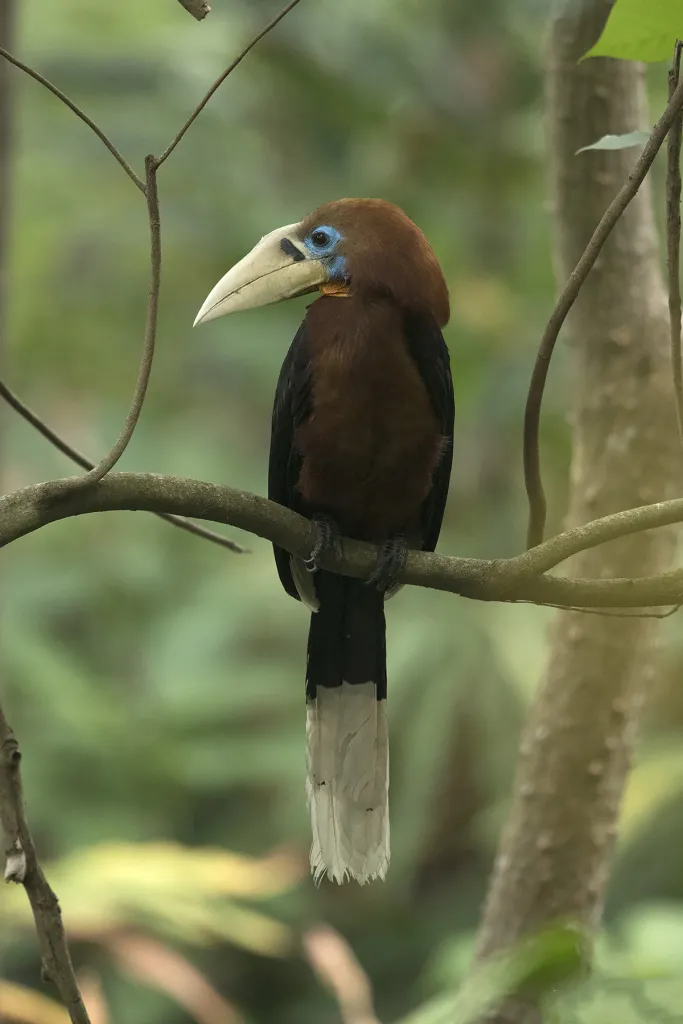
Rufous-Necked Hornbill
This is one of the richest bird zones in the Himalayas, and a place to find eastern species that are hard to see elsewhere. Around 680 species occur here, among them rusty-throated wren-babbler, Sclater’s monal, Temminck’s tragopan, pale-capped pigeon, rufous-necked hornbill and Ward’s trogon.
Latpanchar, West Bengal
Latpanchar is a small village in the Kurseong subdivision of Darjeeling, at about 4,000 feet, with views of the Kanchenjunga range and the core of the Mahananda sanctuary nearby.
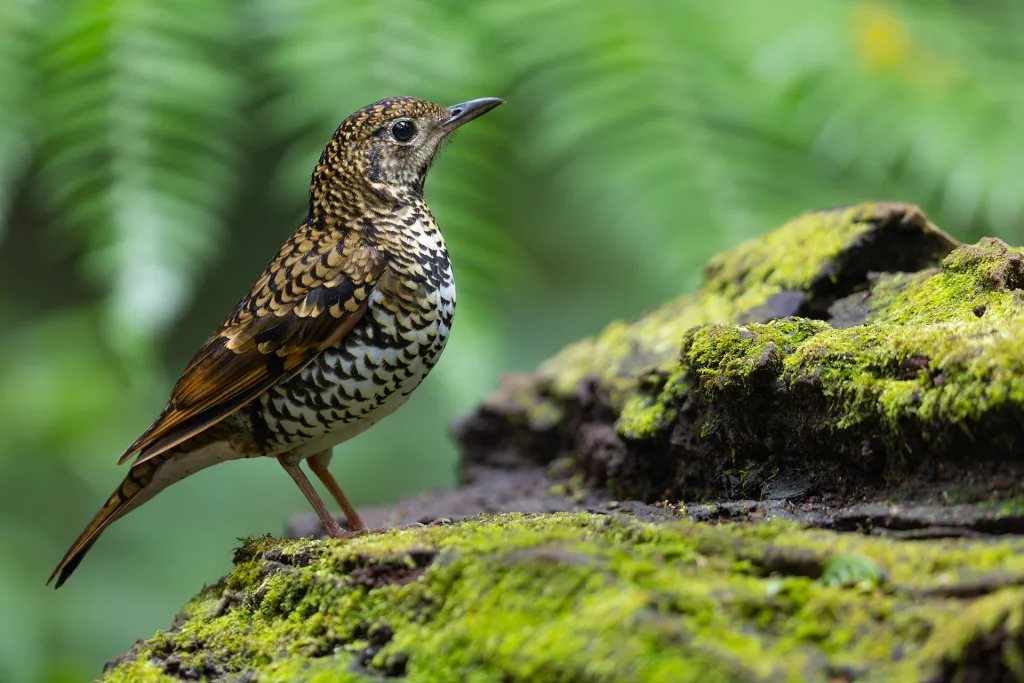
Scaly Thrush
It is a favourite with birders, holding nearly 250 species, many of them scarce, including hornbills, scaly thrush, black bulbul, ashy-backed shrike, kingfishers, spotted eagle and minivets.
Patna Bird Sanctuary, Uttar Pradesh
Patna Pakshi Vihar is a small protected wetland in Uttar Pradesh, a shallow freshwater lake that is an important winter ground for migratory birds. Though the state’s smallest bird sanctuary, it records over 100 resident species and around 300 migratory ones.
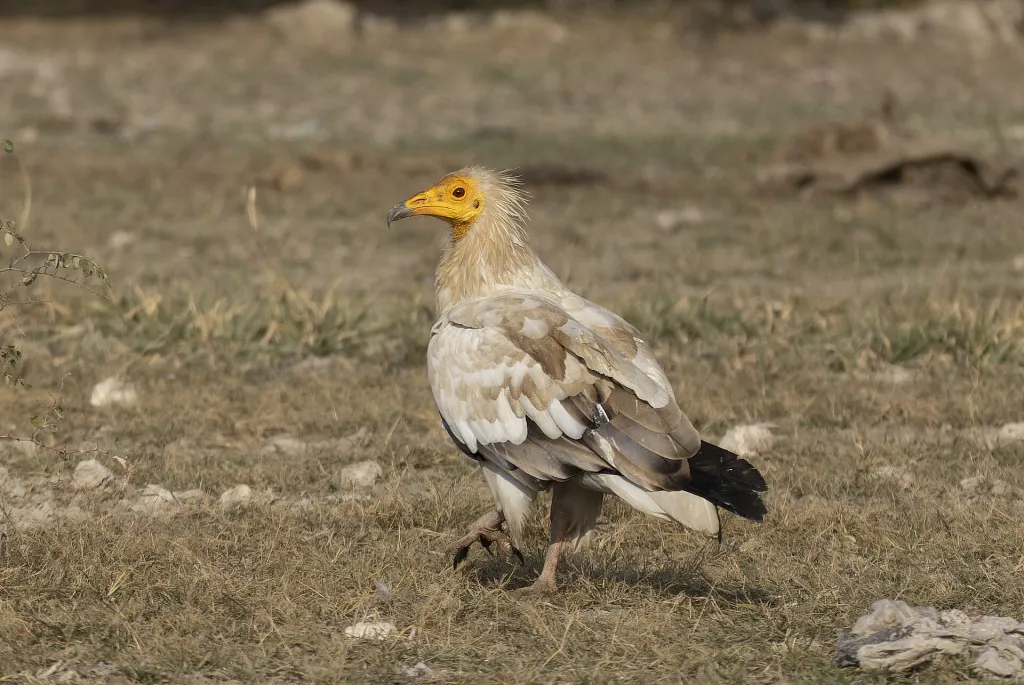
An Egyptian Vulture
Its waterbirds include lesser whistling duck, northern pintail, Eurasian wigeon, green-winged teal, little grebe, sarus crane, Egyptian vulture, oriental magpie-robin and purple sunbird.
Thattekad Bird Sanctuary, Kerala
Thattekad, on the banks of the Periyar River in Kerala, was called one of the richest bird habitats in peninsular India by the ornithologist Salim Ali. It is lowland evergreen forest.
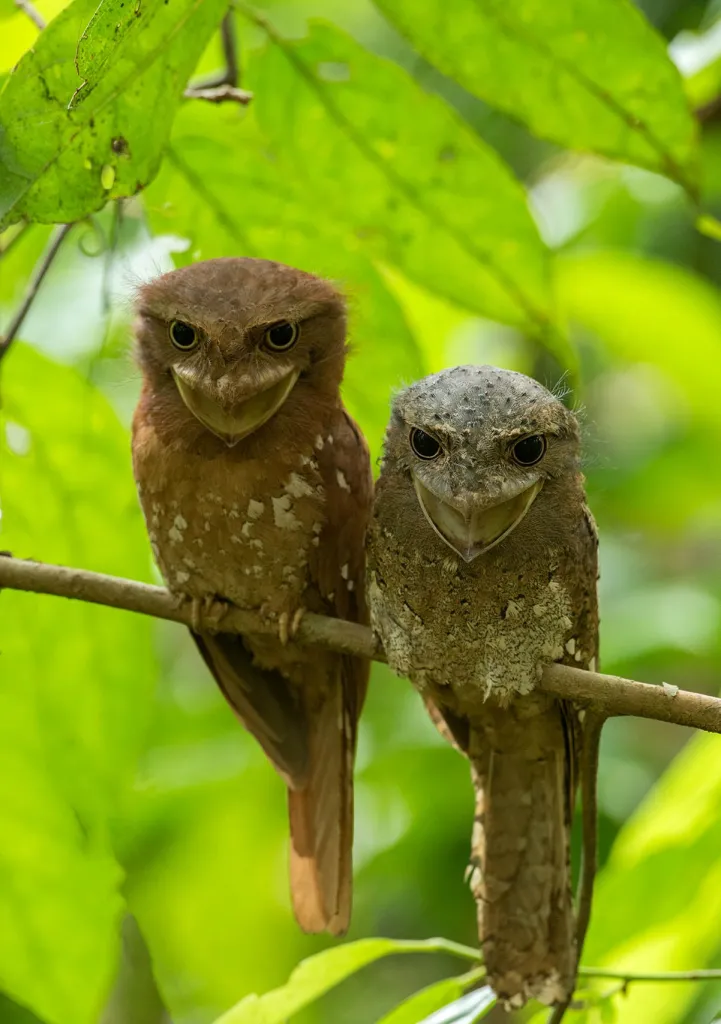
Sri Lankan Frogmouth
It holds over 300 resident and migratory species, forest and water birds alike. Highlights include the Sri Lanka frogmouth, orange-headed thrush, Jerdon’s nightjar, whiskered tern and collared scops owl, and one area is nicknamed “cuckoo corner” for its many cuckoos.
Birding in India rewards the effort and gets you close to nature. Alongside the famous parks there are plenty of quieter spots like these, worth keeping in mind for your next trip.
If you loved reading this story, then subscribe to our blog here (it will ask to verify your email) to get inspiring travel stories and trivia delivered to your email. Stories about wildlife trivia, cultural experiences, curated luxury hotel lists, underrated places to travel, polar journeys and much more.