The Kalahari is one of the best-known deserts in the world, with many legends attached to it. A semi-arid savannah covering more than 350,000 square miles, it spreads across much of Botswana and into parts of Namibia and South Africa, the second-largest desert in Africa after the Sahara. The name comes from the Tswana word Kgala, meaning “the great thirst” or “a waterless place.” Yet the Kalahari is not a true desert: it gets 5 to 10 inches of rain a year, though the water drains quickly through the sand, leaving it a “thirstland.” It has many salt pans, such as the Makgadikgadi Pan in Botswana and the Etosha Pan in Namibia. To the north-west, the Okavango River flows into a delta of marshes full of wildlife. The rain creates good grazing across the desert, which is why the Kalahari supports more animals and plants than any true desert. Its western side has long chains of dunes, each at least a mile long, hundreds of feet wide and 20 to 200 feet high, with valleys called straats (streets) between them. Temperatures are extreme: summers reach up to 45°C, and winter nights drop below freezing. The Kalahari spans game reserves, towns, and even the famous Okavango Delta, which is part of its ecosystem. Here are some of the best-known reserves within it.
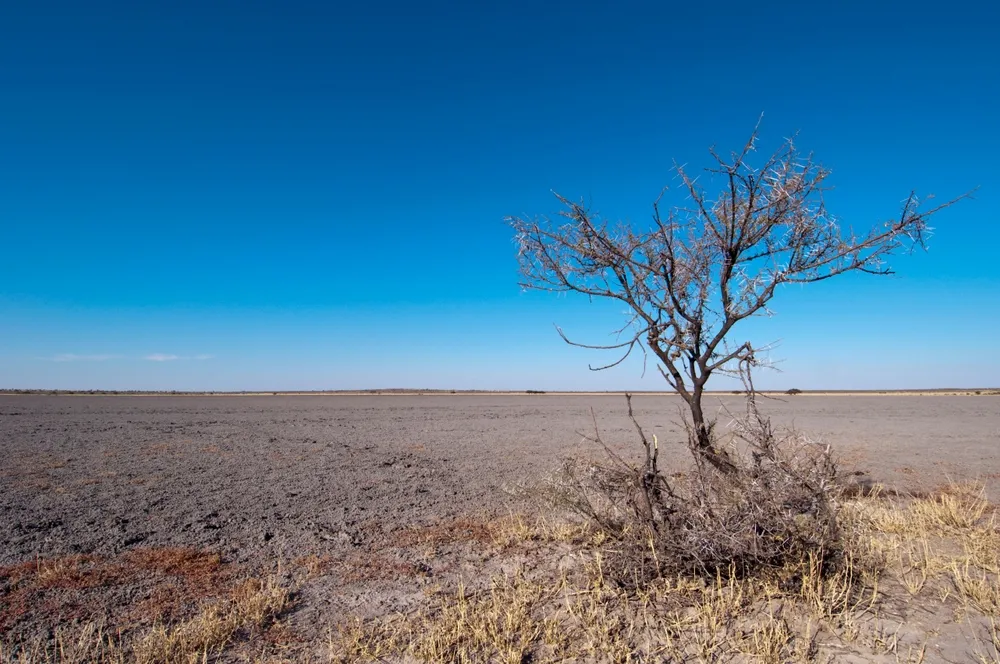
Desert of Kalahari
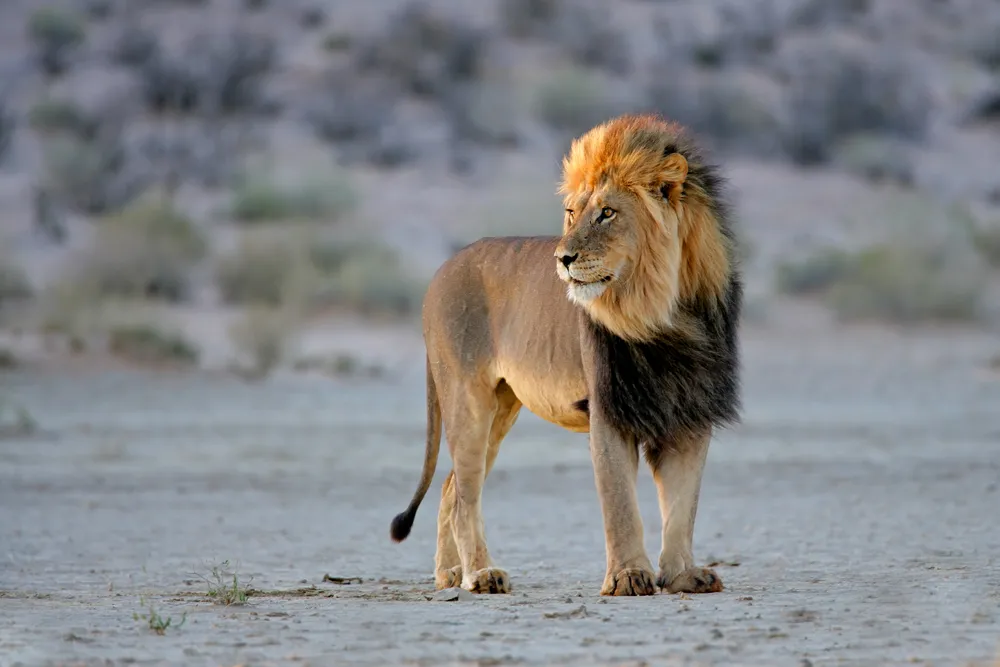
Kalahari Black Maned Lions
Central Kalahari Game Reserve
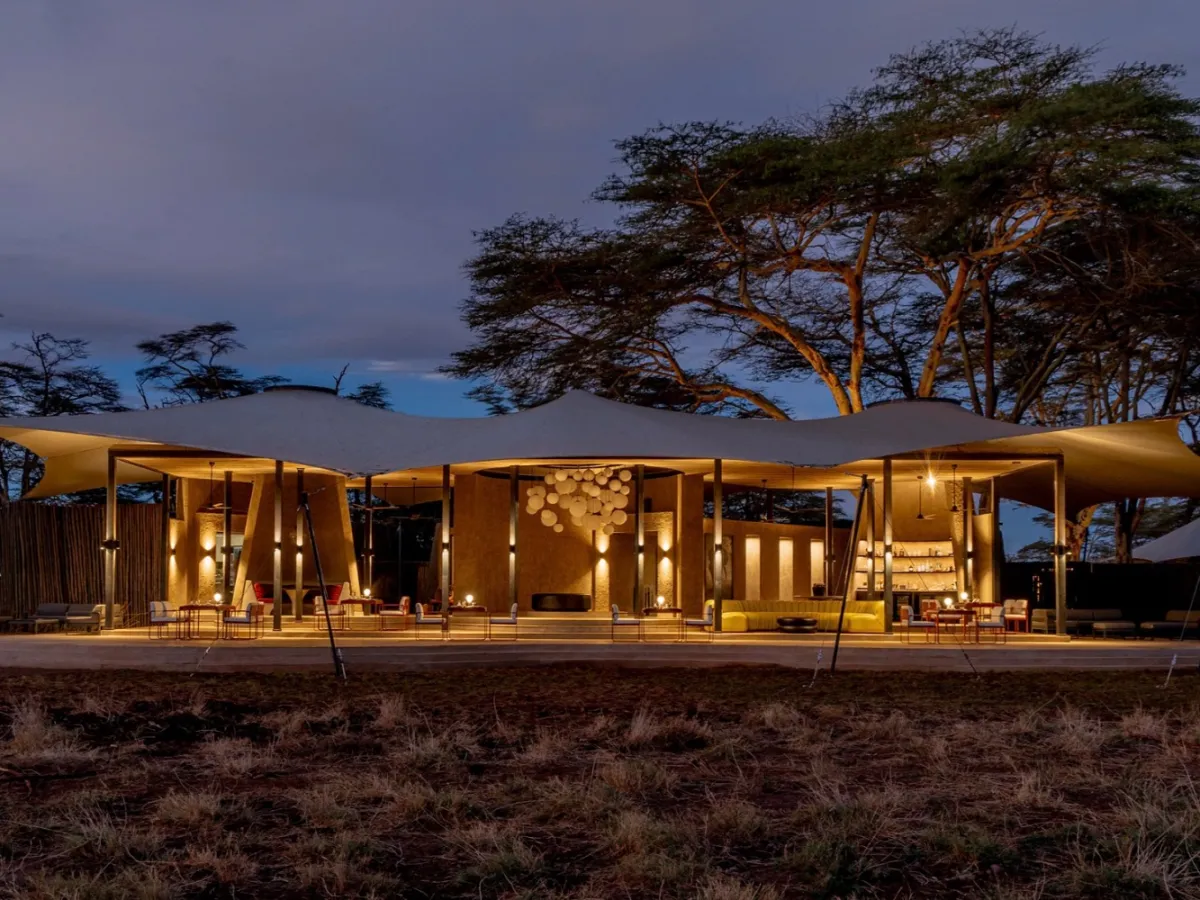
The Central Kalahari Game Reserve, or CKGR, covers more than 20,400 square miles and is one of the best remote safari destinations, and the second-largest wildlife reserve in the world. Much of it is hard to reach and sees only a handful of visitors a year, which makes it a place for a quiet, private trip. It is home to around 5,000 of the San people, though today only a few live entirely by hunting and foraging, most having taken up town life. Two permanent camps, Kalahari Plains Camp and Tau Pan Camp, have operated inside the reserve for years, and three newer ones just outside — Deception Valley Lodge, Haina Kalahari Lodge and Dinaka — have become popular. The surrounding country is a mix of pans and fossil riverbeds, patches of acacia, straggly bush and dunes. The peak season is around January, when herds move down from northern Botswana to graze, and both grazers and predators are plentiful.
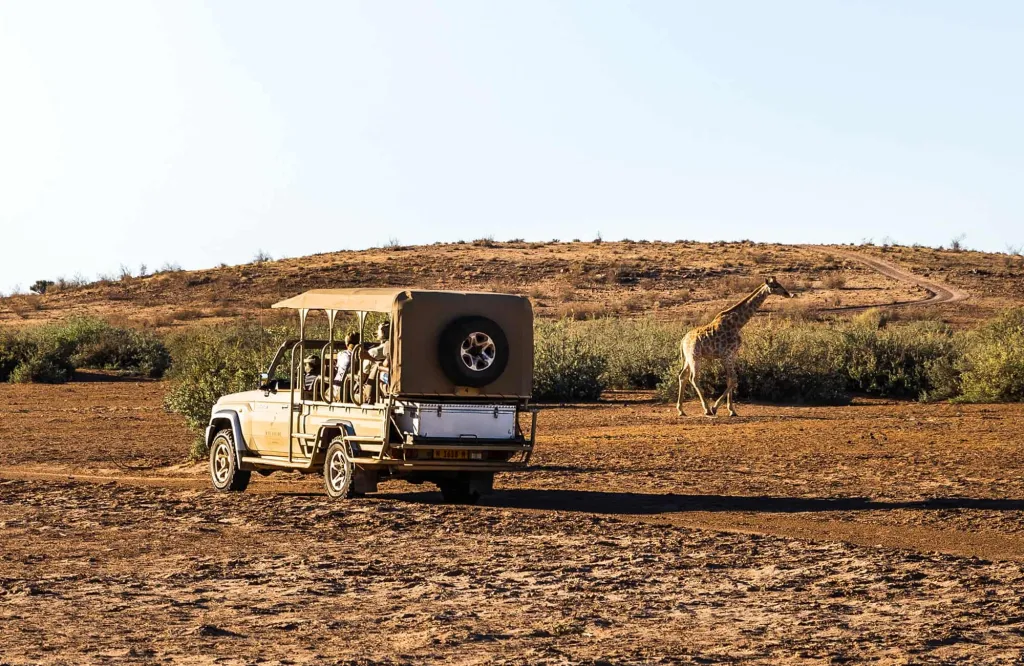
Driving in the Kalahari
Kgalagadi Transfrontier Park
This large conservation area lies on the border of South Africa and Botswana. Kgalagadi is marked by red dunes, sparse vegetation and scattered trees, mostly camelthorn. The dry beds of the Nossob and Auob rivers, said to flow about once a century, cross the plains. Wildlife is plentiful, with many grazers, predators and birds, and you can see black-maned lion, leopard, cheetah and hyena. The park has three traditional rest camps and six wilderness camps for the more adventurous.
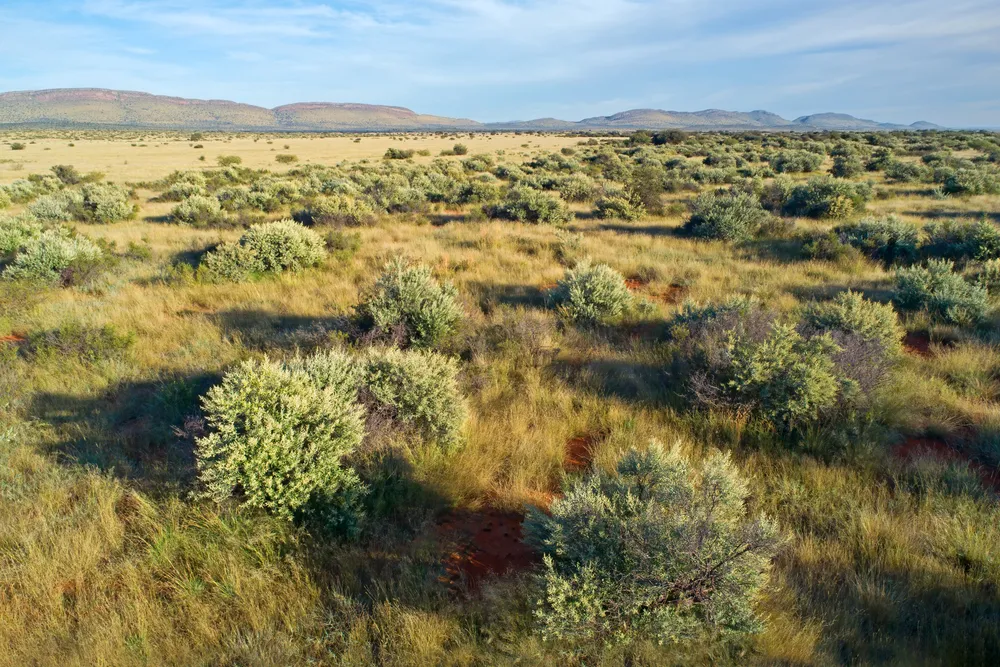
Landscapes of Kalahari
Augrabies Falls National Park
The park takes its name from a Khoisan word meaning “place of great noise.” The falls, in the Northern Cape, drop from a height of about 60 metres, with viewpoints all around. There are other activities too, from water sports to hot-air ballooning, and wine lovers can enjoy a tasting against the backdrop of the Orange River.
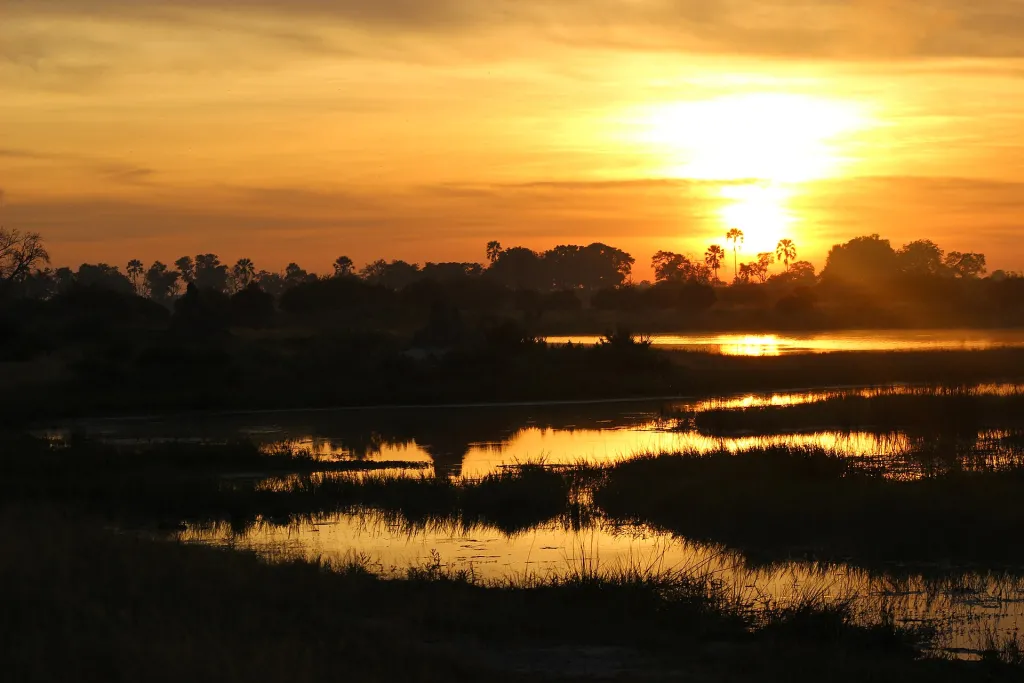
Okavango Delta is a part of Kalahari
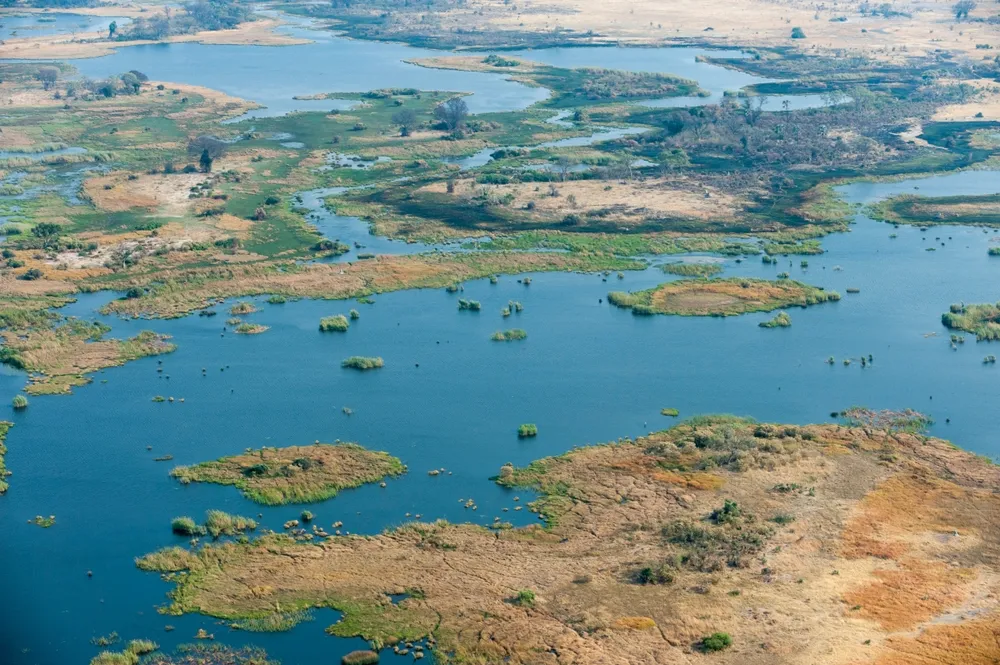
Aerial of Okavango
Flora and fauna of the Kalahari
The south-west, with little rain, supports only a few trees, shrubs, short grass and the hoodia plant, all adapted to the sparse rainfall and shifting temperatures. The central region does better, with grasses, bushes and the camelthorn acacia, which is native to the area and important to the ecosystem, providing nutrients and shade. The northern Kalahari hardly looks like a desert at all, with open grassland, palms and forest of deciduous trees up to 50 feet tall. The Okavango swamps support dense growth of water lilies, papyrus, reeds and other water plants.
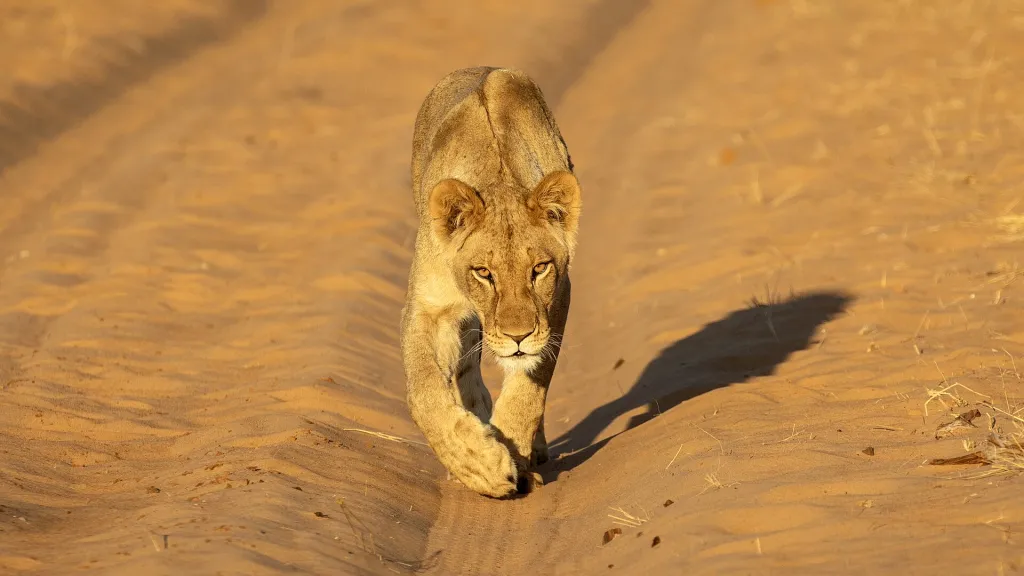
Lion on sand
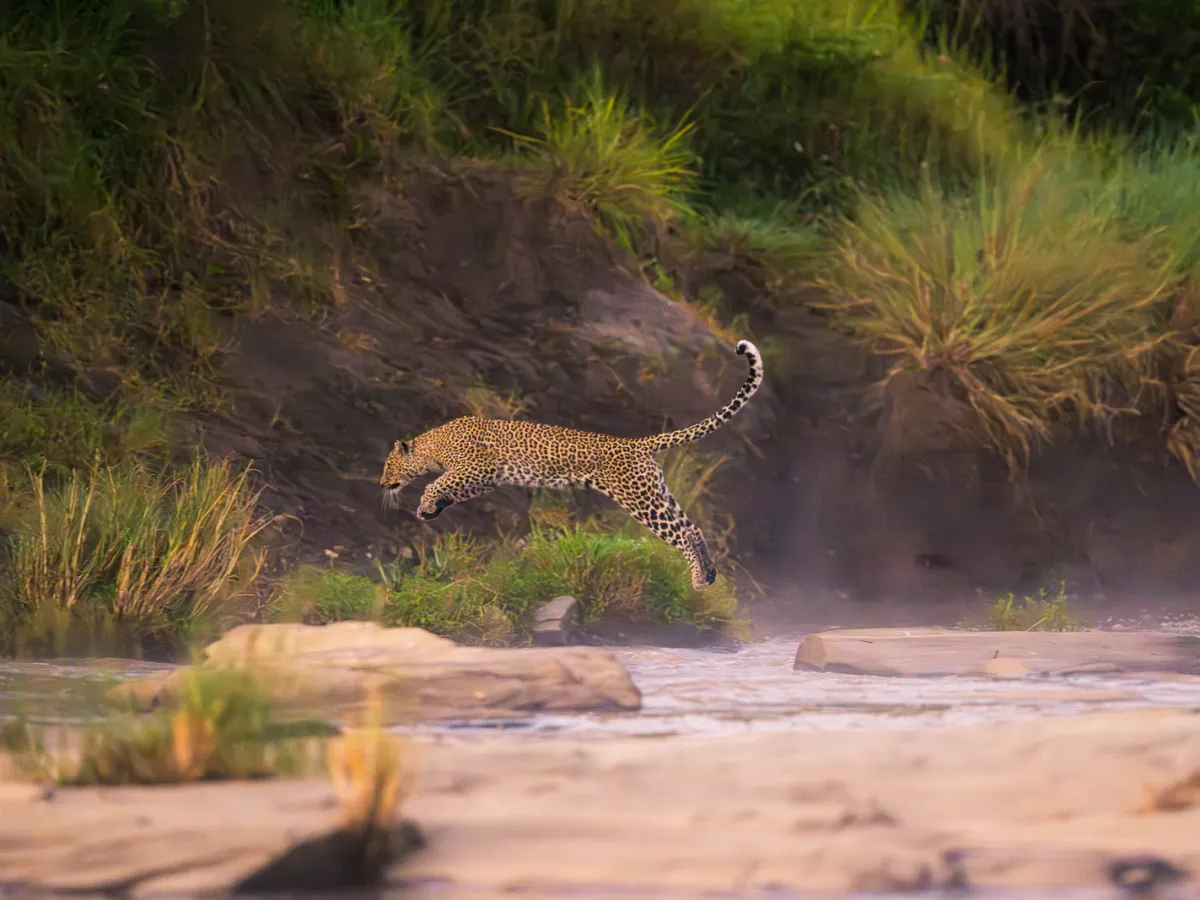
The animals of the Kalahari, especially in the south, are suited to dry conditions, able to go days without drinking and to get water from plants. Desert species include the bat-eared fox, cape fox, meerkat, brown hyena, gemsbok (oryx), springbok, steenbok, kudu and duiker. The northern Kalahari is richer, with antelope, giraffe, buffalo and elephant, along with predators such as foxes, wild dogs, jackals and hyenas, and warthogs. All three big cats — leopard, cheetah and the famous black-maned lion — live here. Medium-sized animals include badgers, baboons, hare, aardvark and porcupine, along with rodents, snakes and lizards. In winter you may see amphibians such as the tremolo sand frog and bushveld rain frog. The birdlife includes birds of prey — falcons, Verreaux’s eagle-owl, martial eagle, kites, kestrels and goshawks — along with ostrich, kori bustard and secretary birds.
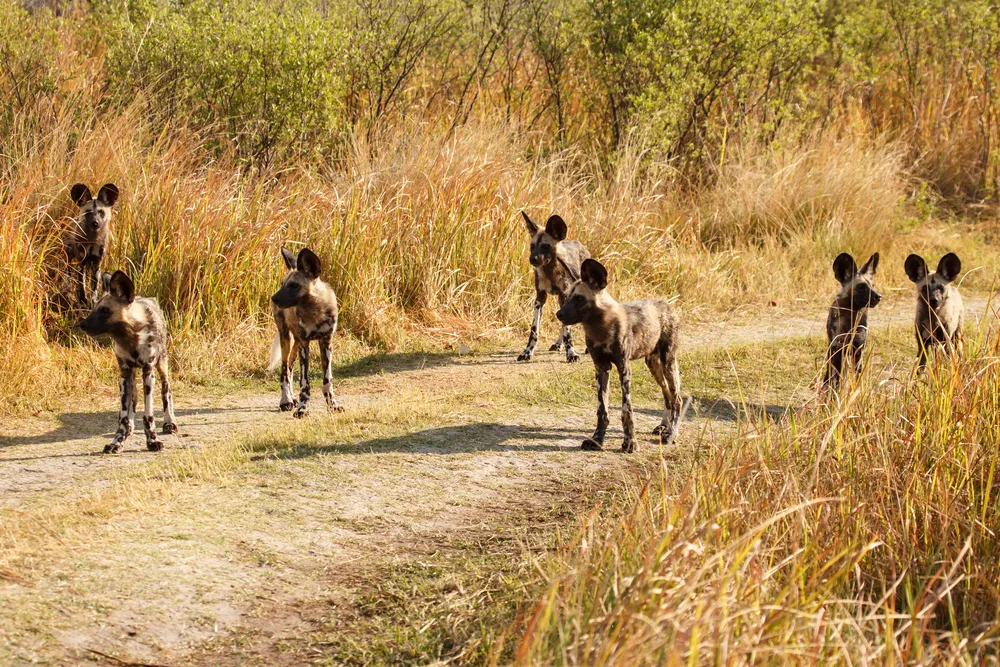
African wild dogs
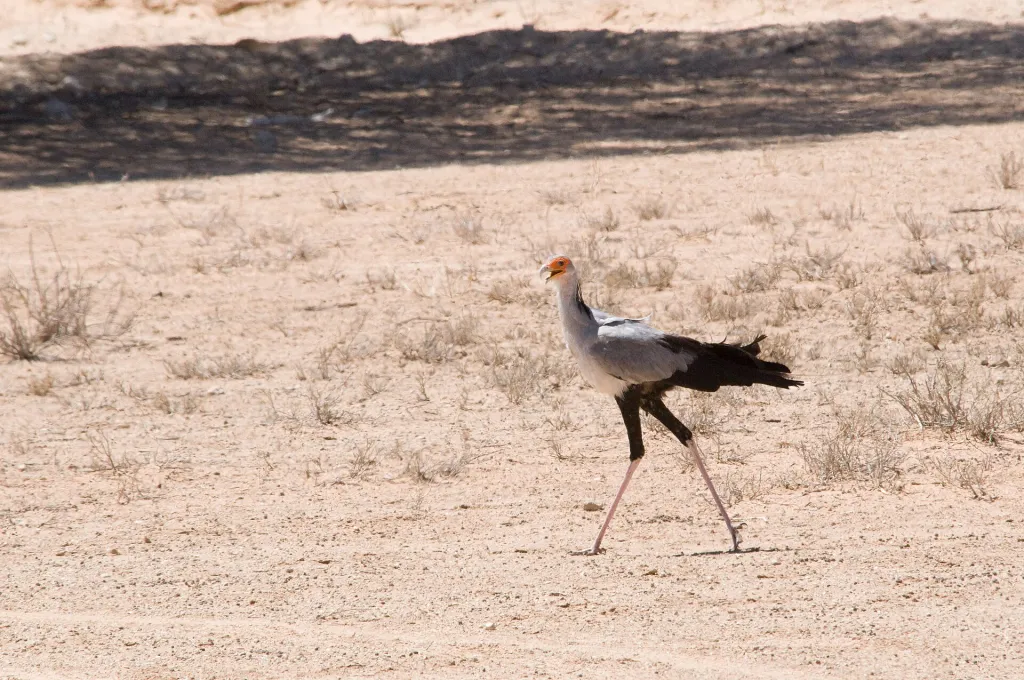
Secretary bird in grasslands
A safari in Botswana is bound up with the Kalahari. We recommend the Central Kalahari Game Reserve or Kgalagadi Transfrontier Park on any Botswana itinerary, alongside the Okavango Delta and parks like Moremi and Chobe. The Kalahari is unlike the rest of Africa: it is not a traditional safari park, the wildlife is not abundant, the weather is not welcoming and the terrain is harsh — but in the end it leaves a lasting impression, unlike anywhere else you will go.
If you loved reading this story, then subscribe to our blog here (it will ask to verify your email) to get inspiring travel stories and trivia delivered to your email. Stories about wildlife trivia, cultural experiences, curated luxury hotel lists, underrated places to travel, polar journeys and much more.