A trip to Serengeti National Park is a memorable one. In Tanzania, it is one of the oldest national parks in the country and a UNESCO site. The Serengeti is among the best-known wildlife reserves anywhere, and for many it is a byword for the African safari.
The park was established in 1951 and covers about 14,750 square kilometres of grassland plains. This vast area runs on into Kenya, where it is called the Masai Mara. Enter the southern plains and you feel the scale of the place at once.
The name Serengeti comes from the Maasai and means “endless plains.” True to it, the park is full of wildlife, plants and wide open country.
The Serengeti has changed little over the past few million years, and its ecosystem has inspired many writers, filmmakers, photographers and scientists.
Flora
The Serengeti is dominated by open savannah grassland. Lying close to the Equator shapes its climate, and that in turn shapes its plants.
Rain falls unevenly across the park, which leads to different trees in different areas.
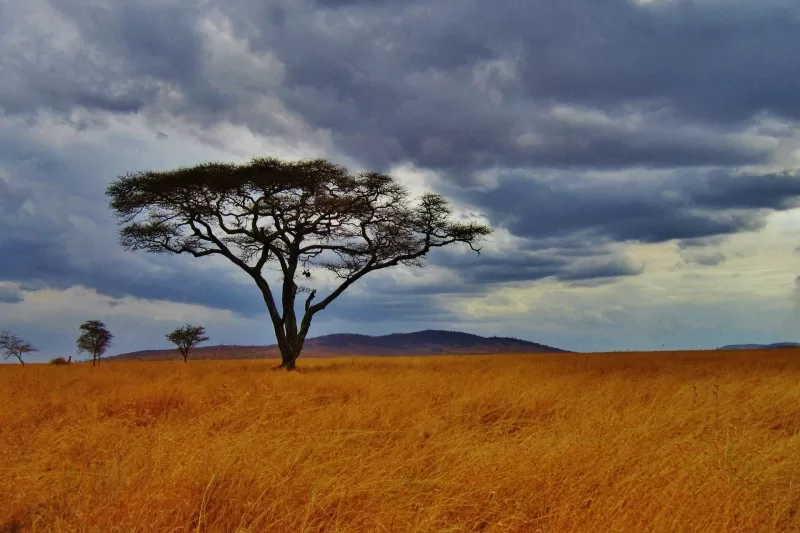
Acacia tree
This uneven rainfall is closely tied to where the animals are. Black rhinos are found where the vegetation is richer, while leopards are seen around Seronera, an area full of acacia trees.
The park is a mix of woodland, grassland, marsh and plains. In this savannah you find a range of trees and grasses, along with some unusual plants, a few of them found only here.
The trees provide food, shelter and hunting cover, and the range of plants draws a range of animals. Here are some of the notable plants of the Serengeti.
Grasses
1. Pan dropseed
Pan dropseed (Sporobolus ioclados) is one of the dominant grasses of the short-grass plains. What sets it apart is its shape: the seed head dangles like a tiny ornament.
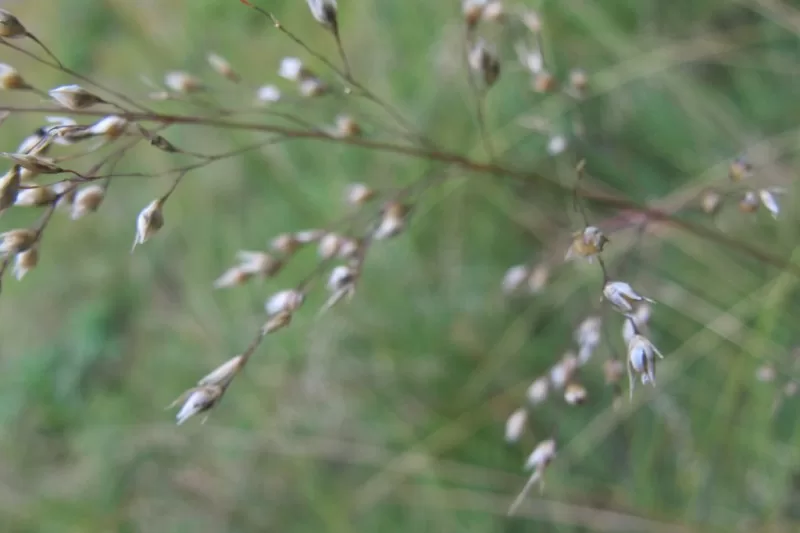
Pan dropseed
2. Red oat grass
Known by its scientific name Themeda triandra, and as rooigras in Afrikaans, red oat grass turns pinkish-red as it dries. It is one of the dominant grasses in the woodlands and long-grass plains of the Serengeti.
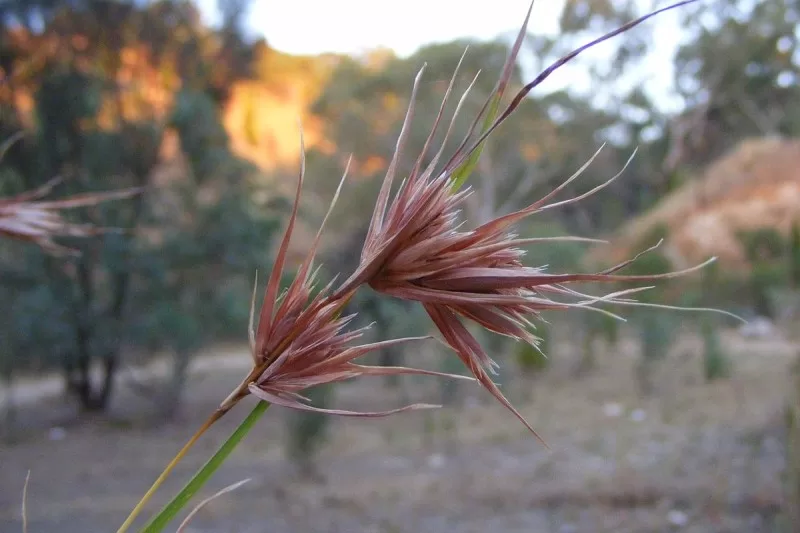
Red oat grass
3. Finger grass
Finger grass, of the genus Digitaria, is one of the commonest grasses in the park. Grazers favour its palatable, nutritious leaves. As the name suggests, its seed heads look like thin fingers pointing upwards.
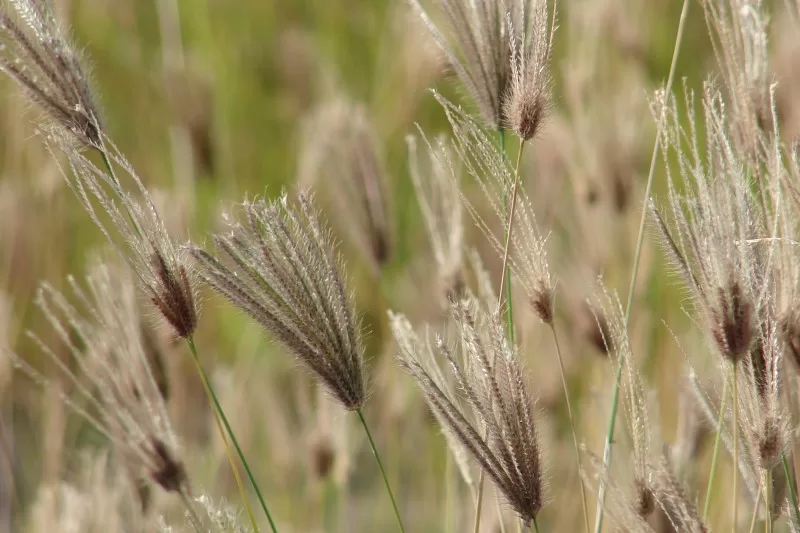
Finger grass
Trees
1. Umbrella thorn
The umbrella thorn (Vachellia tortilis) is one of the signature shapes of Africa on the flat landscape. It arches over the savannah across the park, marked by its white thorns, flat top and dark bark. Elephants and giraffes browse its seedlings, and most umbrella thorns in the Serengeti are 45 to 125 years old.
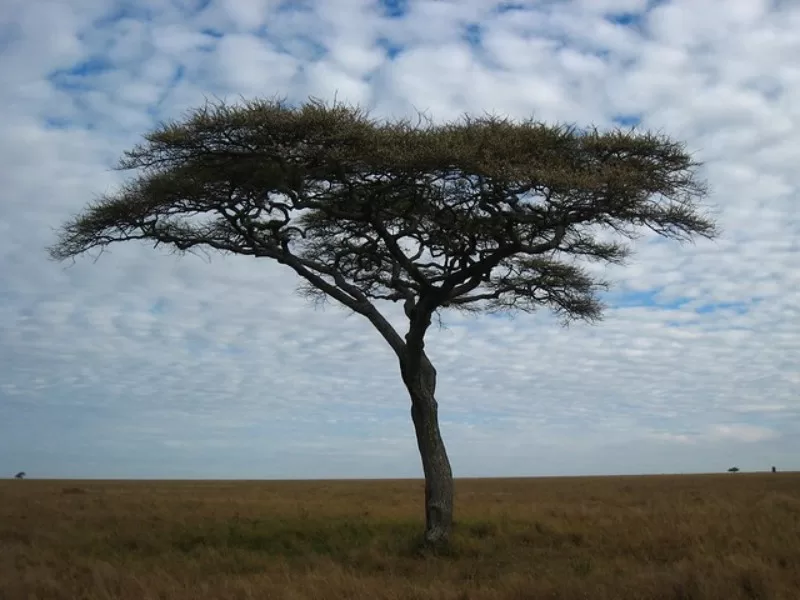
Umbrella thorn
2. Sausage tree
The sausage tree (Kigelia africana) is found here and there along dry riverbanks. It grows long, fleshy but poisonous fruits that drop and release their seeds, and the hanging fruit stalks are sometimes mistaken for a leopard’s tail.
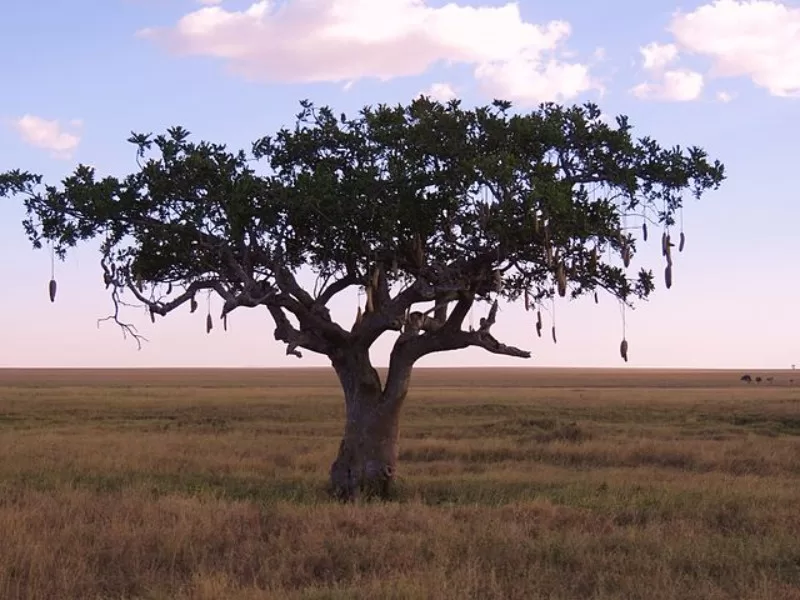
Sausage tree
3. Yellow fever tree
Yellow fever trees grow in wet areas along swamps, rivers and floodplains. The name comes from early settlers, who noticed malaria near the rivers and, rather than blaming the mosquitoes, blamed the yellow trees. Tall, with white thorns, wide branches and yellow bark, they are easy to pick out.
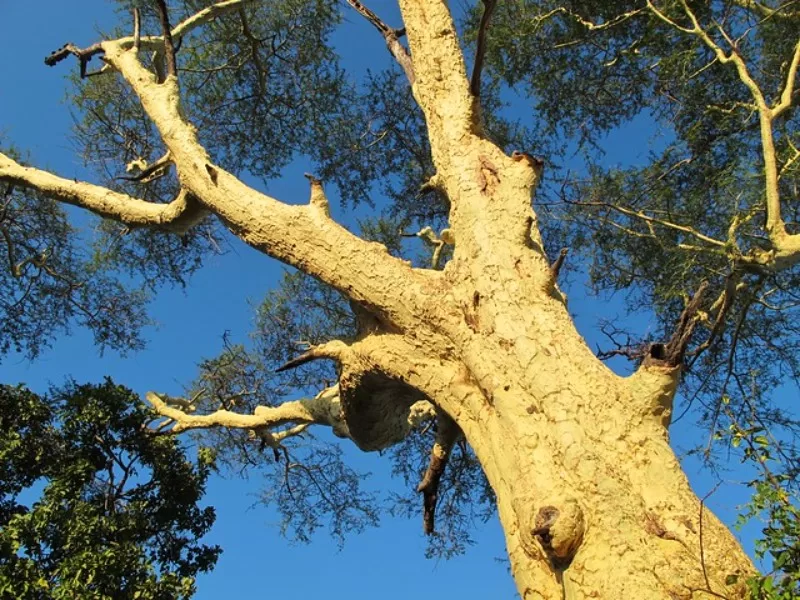
Yellow fever tree
4. Commiphora
Commiphora grows across the Serengeti but is most common in the east. It is recognised by its papery blue or yellowish bark and small round leaves, and its roots, bark and berries are used in local medicine for ailments such as rashes and stomach aches.
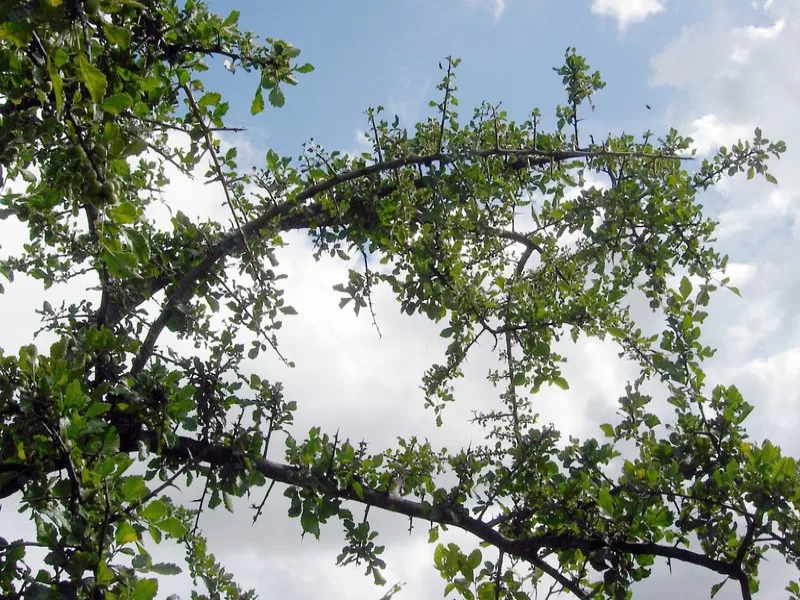
Commiphora
5. Wild date palm
The wild date palm is common along riverbanks and swamps in the Serengeti. Its fruit is edible, if not especially tasty, and its sugary sap can be made into palm wine. The tree also gives good shade for resting lions.
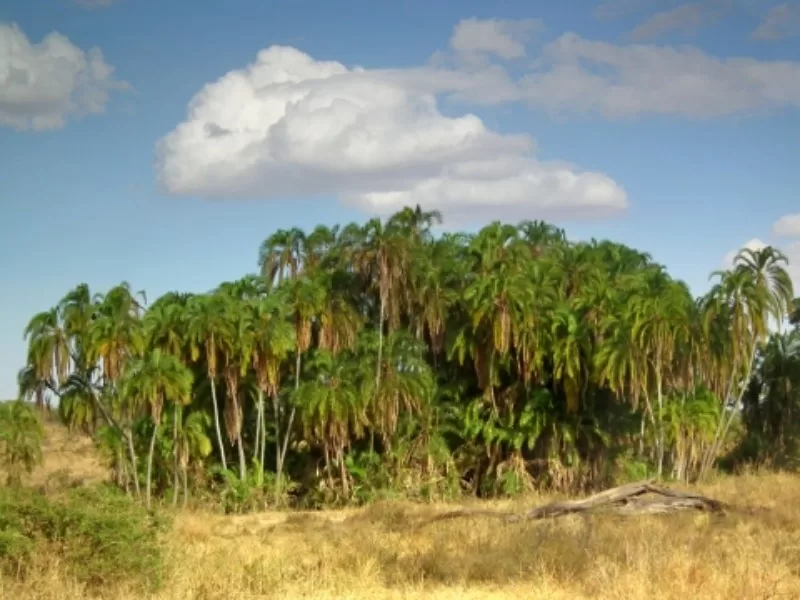
Wild date palm
6. Whistling thorn
The whistling thorn houses ants, giving them food and shelter, and takes its name from the whistling sound the ants make. It is an odd-looking tree, with hard, hollow spheres at the base of its thorns where the biting ants live.
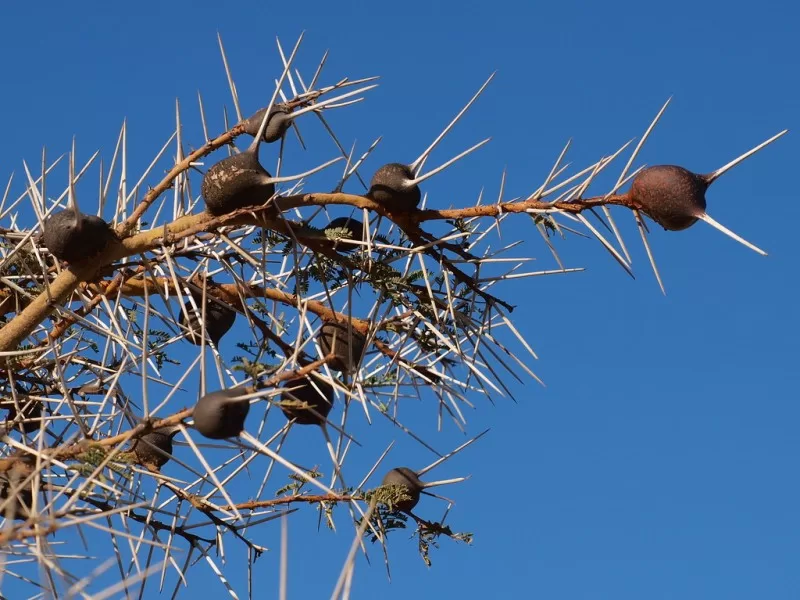
Whistling thorn
Add the Serengeti to your list; a trip here is one you will remember.
If you loved reading this story, then subscribe to our blog here (it will ask to verify your email) to get inspiring travel stories and trivia delivered to your email. Stories about wildlife trivia, cultural experiences, curated luxury hotel lists, underrated places to travel, polar journeys and much more.