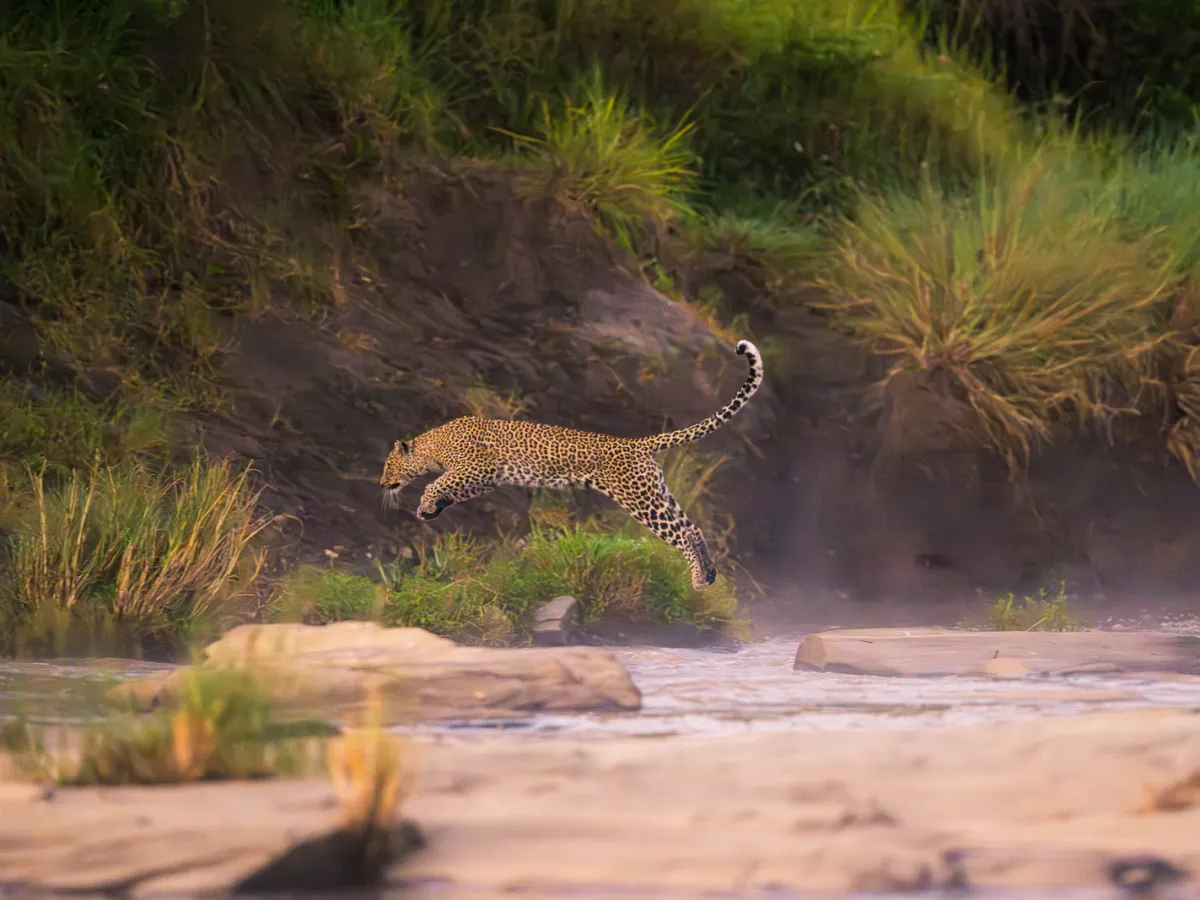
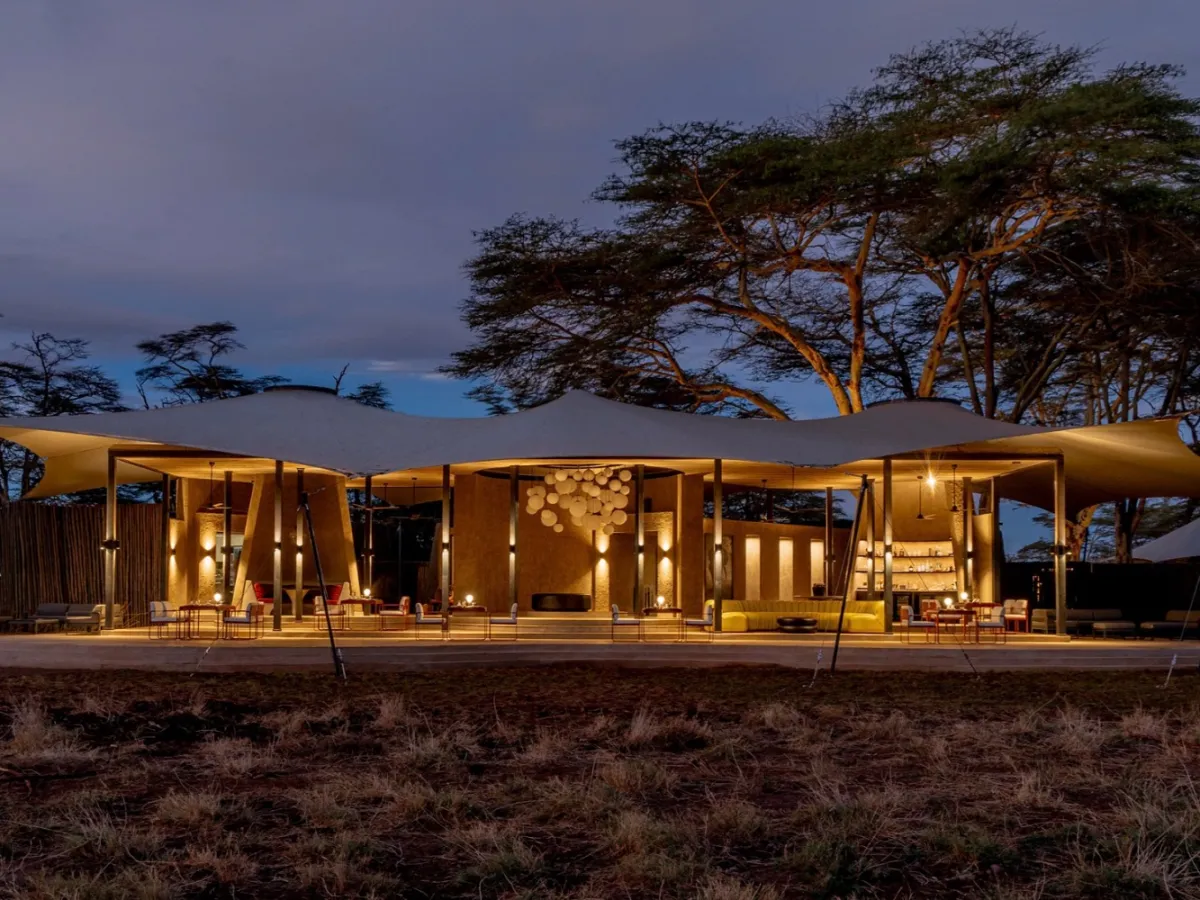
Africa is famous for the traditional 4×4 game drive in a sturdy Land Cruiser, but in the rush you miss many of the smaller things. Those are best experienced on a walking safari, which opens up a new side of the wildlife. On foot you can feel, smell and take in flora and fauna that a vehicle passes by — and by fauna we do not mean the big cats, but smaller creatures like chameleons, birds and insects that also make up the ecosystem. You are guided and guarded by local guides on these trails. Some of them run through big-cat country, but there is nothing to fear as long as you are in safe hands. Here are some of the best walking safaris in Africa.
Chief’s Island, Botswana
Chief’s Island is the largest island in the world’s largest delta, the Okavango. This safari is not only on foot; you can also explore the waterways in a traditional dug-out canoe, the mokoro. It offers excellent game viewing and a good chance of rare birds, along with fine landscapes and animals such as hippo, elephant, zebra and wildebeest. On the north-western tip of the island is the Mombo Concession, the most famous game-viewing area in the region.

Kruger, South Africa
Only a small part of Kruger National Park is open to vehicles, but many walking safaris offer good chances to see the wildlife. In the far north, the Nyalaland Trail is arguably the best guided walk in Kruger, through country with large buffalo and elephant herds and fine flora, including baobabs. Private reserves in the Eastern Cape, KwaZulu-Natal and Sabi Sands also offer bush walks. Zambia is another popular option, with excellent dry-season walking safaris and cosy camping along the way.

Masai Mara, Kenya
The Masai Mara is one of the best-known safari parks anywhere, and a walking safari here is a fine experience. You may meet elephants, giraffes, zebras, topis, impalas and wildebeest, and now and then a lion. The walks usually take place in one of the private conservancies, in the company of a local guide who reads the country for you, plant and animal alike.

Serengeti, Tanzania
One of the best safari destinations in the world, the Serengeti is home to the Big Five and the great migration. Walking across its rolling grasslands is a fine experience, and the wealth of wildlife makes it popular. For a quieter walk, head to the Loliondo Game Controlled Area or the Ikorongo Game Reserve, where Maasai guides lead you on bush walks. The open plains make wildlife easy to spot, and the Serengeti has a wide range of places to stay, from lodges to comfortable camps.

Ruaha, Tanzania
Ruaha is often called Africa’s best-kept secret, since only about 1 per cent of visitors to Tanzania make it here. The multi-day walks suit hardened adventurers, with rugged terrain and rocky outcrops, but those who come are rewarded with fine scenery and varied wildlife. Ruaha has some of the largest elephant herds in Africa, along with lion, leopard and cheetah, and you can also see buffalo, zebra, giraffe, kudu and roan antelope. The peak season is May to November, when the watercourses fill with hippos and crocodiles. The birding is excellent, especially in November, when more than 570 species can be found. There is a range of places to stay, from lodges to tented camps.
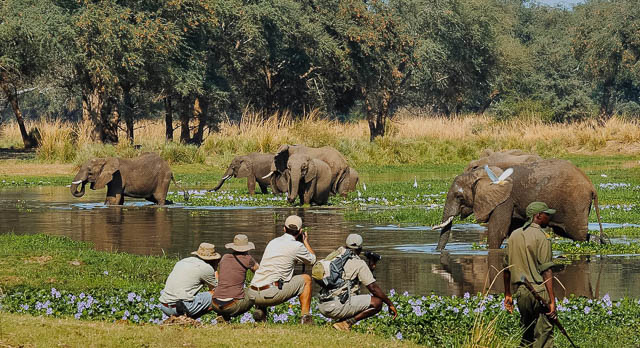
Selous, Tanzania
Covering more than 50,000 square kilometres, over three times the size of the Serengeti, this is one of the largest game reserves in the world, and a UNESCO site. It is home to a wide range of species, from the Big Five to giraffe, hippo, elephant and antelope. Walking safaris have run in Selous since the 1980s, with many options. The highlight is the Rufiji River, which forms a series of linked lakes and channels; a walk along it brings you close to large crocodiles, elephants and birds such as storks and spoonbills. Guided walks last from a few hours to several days, with expert guides and armed rangers. There is accommodation near the Rufiji, in the form of safari lodges.

South Luangwa, Zambia
The walking safari began here in the 1950s, and South Luangwa still keeps the feel of those early days. Instead of the large lodges common elsewhere, it has small, intimate camps. It has one of the densest leopard populations in Africa, and the Big Four (rhino is found only in North Luangwa), along with Thornicroft’s giraffe and rare wild dog. It gives you a taste of deep, wild Africa on foot, through thick bush and along lakes and rivers that draw buffalo and elephant, and predators such as lion and leopard.

Bwindi, Uganda
Bwindi is known for its mountain gorillas, with nine habituated groups in the mountains. The treks vary in length, elevation and group size, so you can choose one to suit you. The Uganda Wildlife Authority runs the Gorilla Habituation Experience, visiting the gorilla families in the Rushaga sector, where you can spend four hours watching them closely and help support their survival. Over a few days in the Bwindi Impenetrable Forest, you can also see monkeys, birds and other wildlife.

Amber Mountain, Madagascar
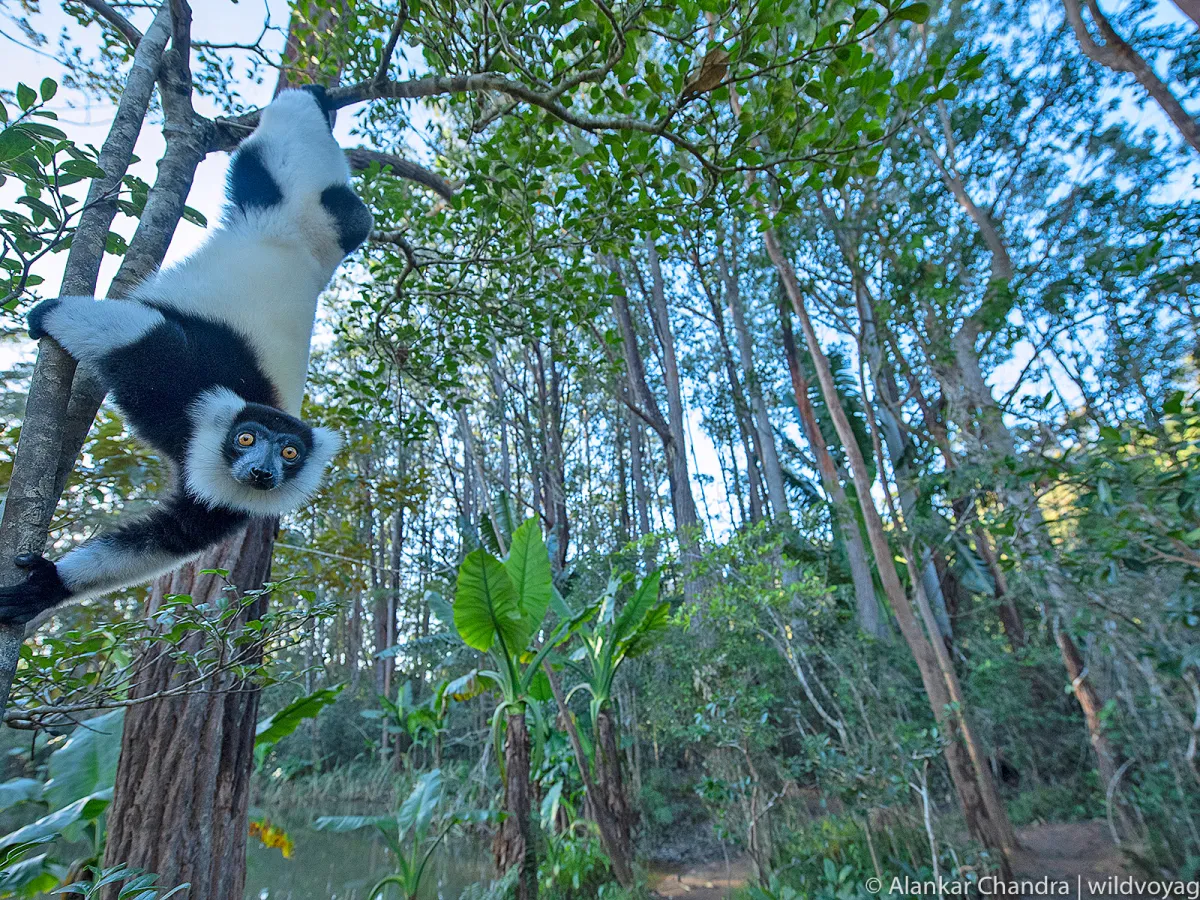
The Amber Mountain National Park is known for its landscape of lakes and waterfalls, supporting varied wildlife and plants, much of it found nowhere else. Its forest trails are a treat for walkers. Along them you can see tree boas, leaf-mimic chameleons, leaf-tailed geckos, pill millipedes and butterflies. No trip to Madagascar is complete without seeing its lemurs, and seven species, including Sanford’s brown lemur and the crowned lemur, can be spotted along the trail. You can stay nearby and get a taste of rural Malagasy life in the village of Joffreville.

We hope you enjoyed this list of walking safaris across Africa. If the idea appeals, ask for a walking safari when you plan your trip — it will give you the kind of stories you will want to tell for years.
If you loved reading this story, then subscribe to our blog here (it will ask to verify your email) to get inspiring travel stories and trivia delivered to your email. Stories about wildlife trivia, cultural experiences, curated luxury hotel lists, underrated places to travel, polar journeys and much more.