Enquire
Home  /  Uganda  /  Bwindi Impenetrable National Park
Gorilla rainforest · Uganda

Bwindi Impenetrable National Park

A dense, ancient rainforest holding nearly half the world's mountain gorillas.
Getting there
Long drive from Kampala/Entebbe, or fly to Kisoro/Kihihi airstrips
Best for
Mountain gorilla trekking — the single greatest reason to come to Uganda
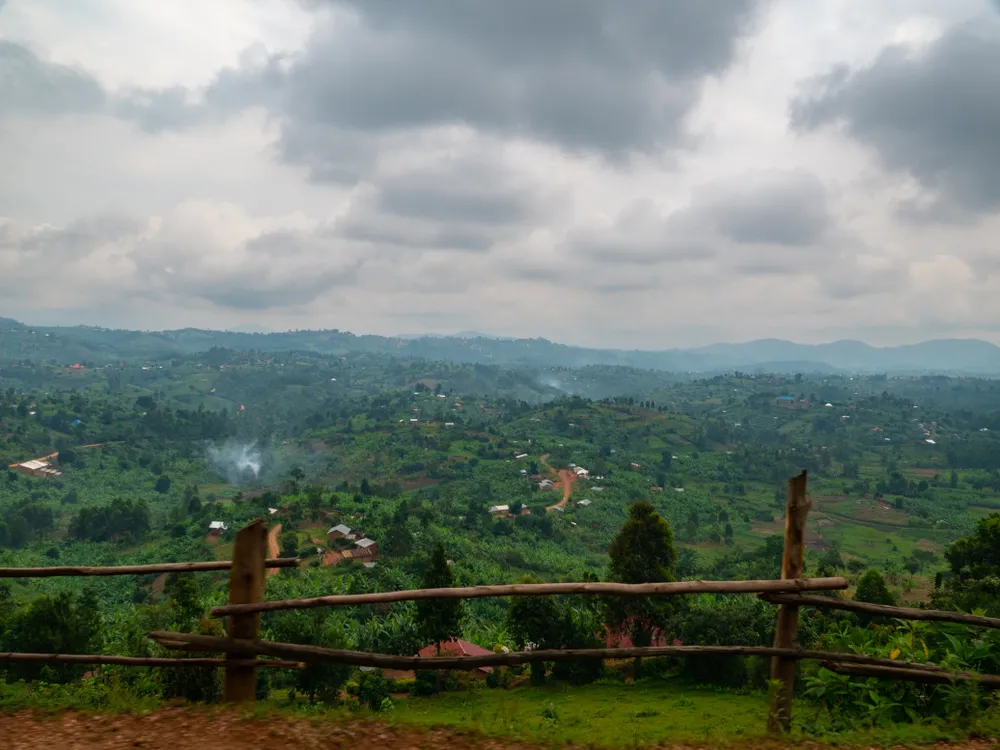
The land
Steep, ancient montane and lowland rainforest in the southwest
Good to know
Trekking is permit-limited, ranger-led and physically hard — book permits early
What it is
Bwindi is the great mountain-gorilla forest — steep, tangled, ancient, and worth every hard step.
Bwindi Impenetrable Forest is exactly what its name promises: a dense, ancient rainforest of tangled undergrowth and plunging slopes in Uganda's southwest, and home to nearly half the world's remaining mountain gorillas. Trekking to a habituated family — on a permit, with rangers, sometimes for hours through mud and steep forest — for one hour in their presence is among the most moving wildlife experiences on earth. A UNESCO World Heritage site of exceptional biodiversity, Bwindi is the reason most travellers come to Uganda, and it does not disappoint.
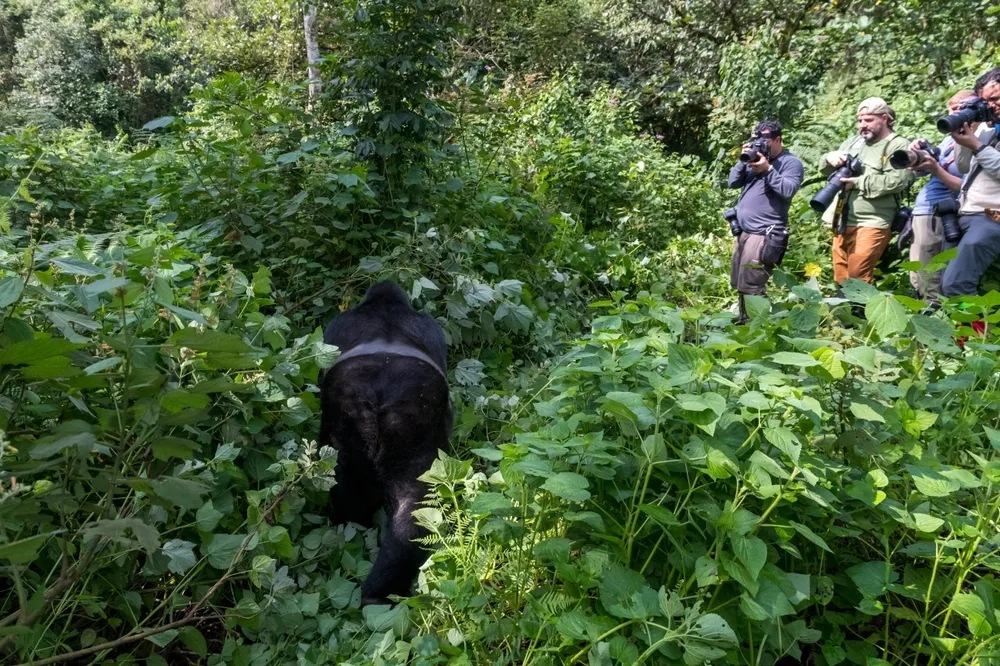
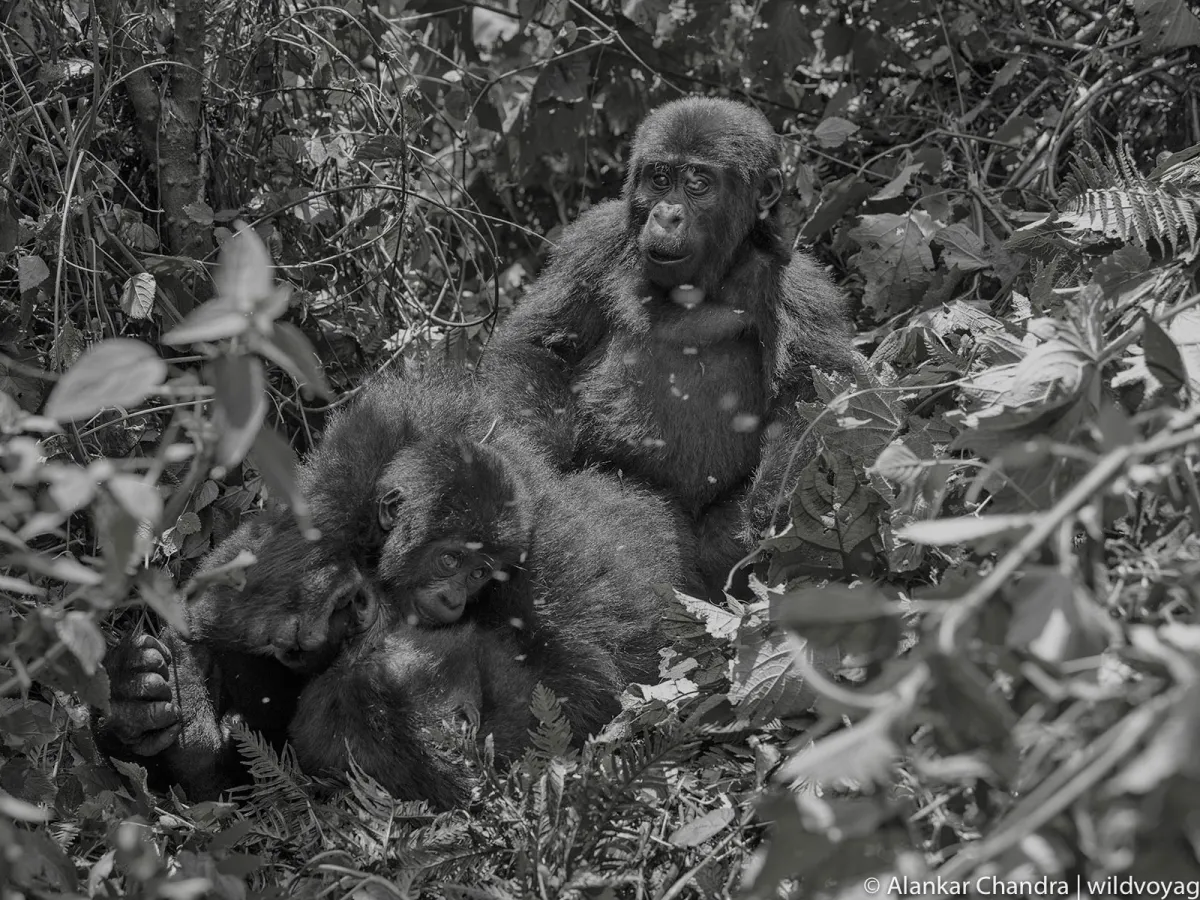
PhotoA silverback mountain gorilla resting in dense Bwindi undergrowth.
The reason to come

An hour with the gorillas

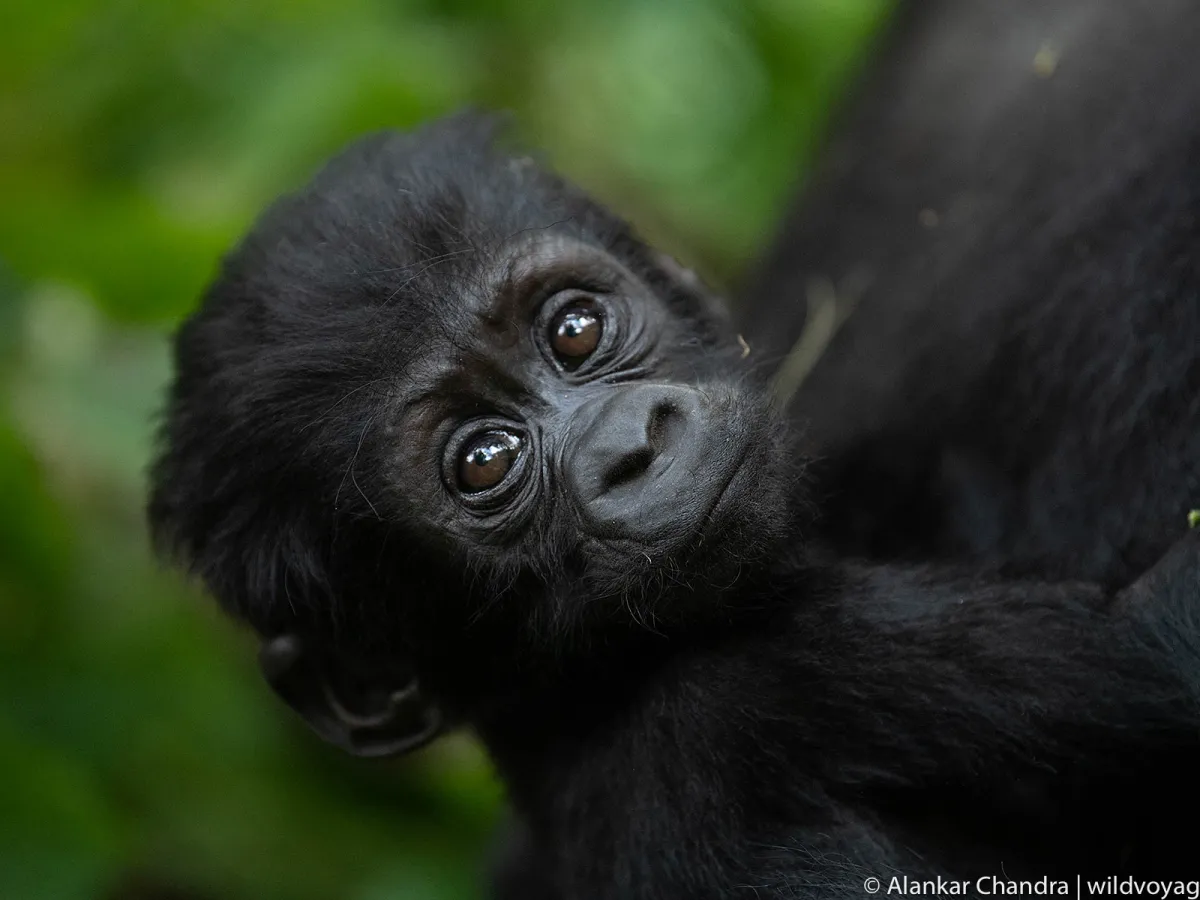
Tracking a mountain gorilla family through Bwindi and sitting with them for a permitted hour — a silverback at rest, youngsters tumbling, the whole group at ease a few metres away — is the experience the trip is built around. It is wild, intimate and unforgettable, and the effort to reach them is part of what makes it matter.

The gorillas

Nearly half the world's mountain gorillas live here, in several habituated families across four trekking sectors.

The trek

Hours on foot through steep, muddy forest — demanding, ranger-led, and deeply rewarding.

The forest

One of Africa's most biodiverse rainforests — birds, other primates and ancient trees beyond the gorillas.

Worth knowing

Trekking is permit-limited and ranger-led, sectors differ in difficulty, and a reasonable level of fitness matters. The permit is the scarce thing — book it, and the right sector, well ahead.
Earned, not handed over

Why the effort is the point.

A gorilla trek can be short or it can be a long, steep, muddy haul — you take what the forest and the family's movements give you. That uncertainty and effort are part of what makes the hour count, in a way no enclosure or easy sighting ever could. Bwindi rewards those who come prepared to work for it.
PhotoTrekkers climbing a steep, muddy trail in Bwindi forest.
When to come — honestly

Drier trails, but always rainforest.

June – September
Best
The long dry season — firmer trails and easier trekking, though Bwindi is rainforest and rain is always possible. The busiest, so book permits early.
December – February
Best
The short dry season, again the best trekking conditions, warm and comparatively dry.
March – May & October – November
Good
The wet seasons — muddier, harder trails, but lush, fewer trekkers and the gorillas present year-round.
Bwindi can be trekked all year, and the gorillas are always there. The dry seasons make the steep trails far more manageable; the wet seasons are greener and quieter but harder underfoot. Either way, expect the possibility of rain.
Forest, gorillas and neighbours

Conservation at the edge

Bwindi's gorillas have recovered because the forest is protected and trekking gives them economic value — a share of permit revenue goes to the communities living right against the park boundary. That link between gorillas and local livelihood is the heart of why it works.

The forest is an island surrounded by some of the densest rural population in Africa, and the pressure on its edges — land, firewood, crop-raiding — is constant. The trekking economy is what keeps the balance tilted toward protection.

We secure your permit and the right sector early, base you close to your trailhead, and run the trek with the rangers who know the families — so the hard day delivers its hour.
Beyond the obvious

Three ways to read Bwindi.

PhotoGorilla trekking

Gorilla trekking

The trek to a habituated family and a permitted hour in their presence — the heart of it.
PhotoGorilla habituation

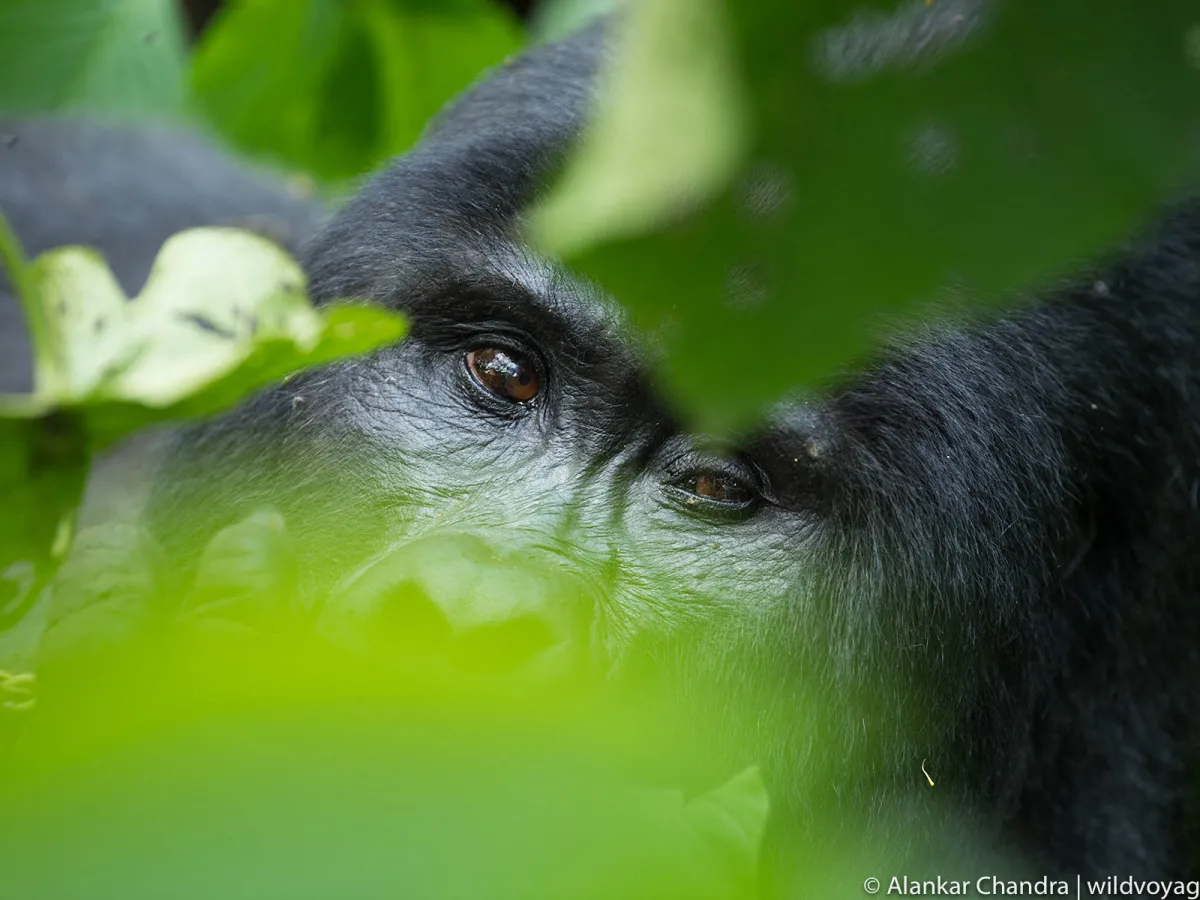
Gorilla habituation

In some sectors, a longer experience with a family still being habituated, for the committed.
PhotoForest birding

Forest birding

Bwindi's exceptional birdlife, rich in Albertine Rift endemics, for the patient.

Why Wild Voyager

We plan Uganda around the permits.

Gorilla and chimp permits are issued in small daily numbers and sell out months ahead — the scarce thing that makes or breaks a Uganda trip. In Bwindi Impenetrable National Park that means securing the permit and the right sector early, basing you at the correct trailhead, and trekking with the rangers who track the families.

We hold your permits, not a middleman

We secure the gorilla, chimp and park permits directly and early — the scarce thing everything else hangs on — so your trek is locked in, not left to chance.

We base you in the right place

Bwindi has four trekking sectors, far apart and different in difficulty, and the wrong base means a punishing pre-dawn transfer. We match your permit, sector and lodge so your trailhead is close and the day starts right.

We guide for wildlife, not a checklist

Our guides and the park rangers work the forest and the plains for real encounters — they would rather earn you one great sighting than rush a list.
Wildlife you may see
Primates

Track mountain gorillas
in Bwindi.

Bwindi is the great mountain-gorilla forest, and the reason most come to Uganda. We secure the permit, the sector and the base, and build the trip around it.

Plan a Uganda trip
Field notes, now and then.

Where to go · When to go · Wildlife in season

A few times a year, never more. Unsubscribe anytime. See our Privacy Policy.