A few lion populations in East Africa have taken to climbing trees and resting in the branches, which is unusual and a real treat to see. These are ordinary lions that have picked up the habit, not a special type with different claws or build. Watching one climb, or drape itself along a branch, is a memorable sight.
To see them for yourself, our Tanzania wildlife tour is a good way in.
Where to see tree-climbing lions
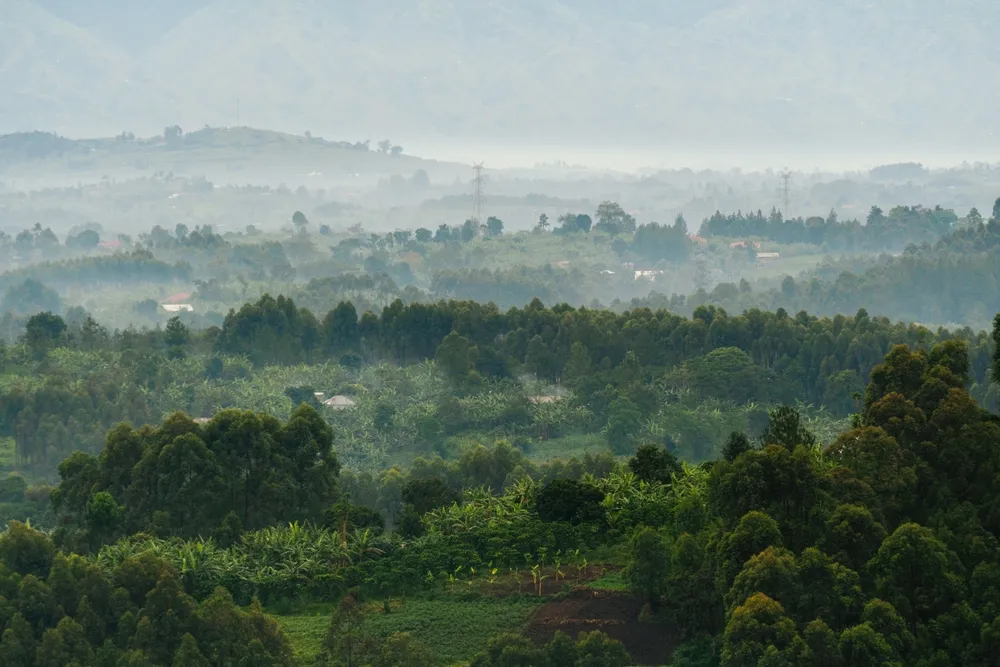
Queen Elizabeth National Park, Uganda
- Queen Elizabeth National Park, in western Uganda, has a wide range of wildlife and over 600 bird species.
- Its lions are known for resting high in the trees, especially in the Ishasha sector in the south, where a well-known population is often seen up in the branches.
Queen Elizabeth National Park
- Best time: the dry season, June to September.
Lake Manyara National Park, Tanzania
- Lake Manyara National Park, in northern Tanzania, is named for the shallow lake at its heart and packs a lot of wildlife into a small area.
- It is one of the few places where lions regularly climb trees.
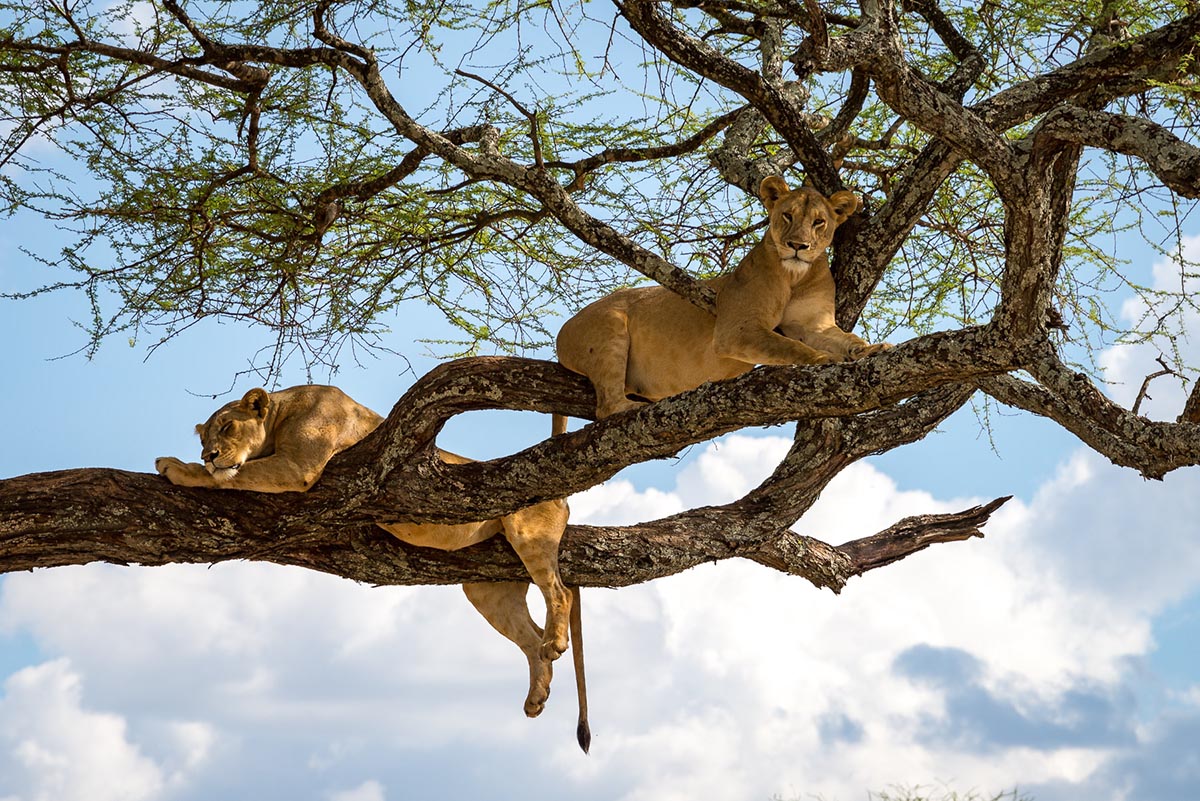
- In the heat of the afternoon you may see them resting on the branches of acacia trees. They blend in well, so look carefully; they usually come down only to hunt.
- Best time: the dry season, July to October.
Serengeti National Park, Tanzania
- Serengeti National Park, in northern Tanzania, is famous for its plains, its wildlife and the great migration.
- Some of its lions climb trees, most often around Ndutu. The habit was once rare here but has become more common.
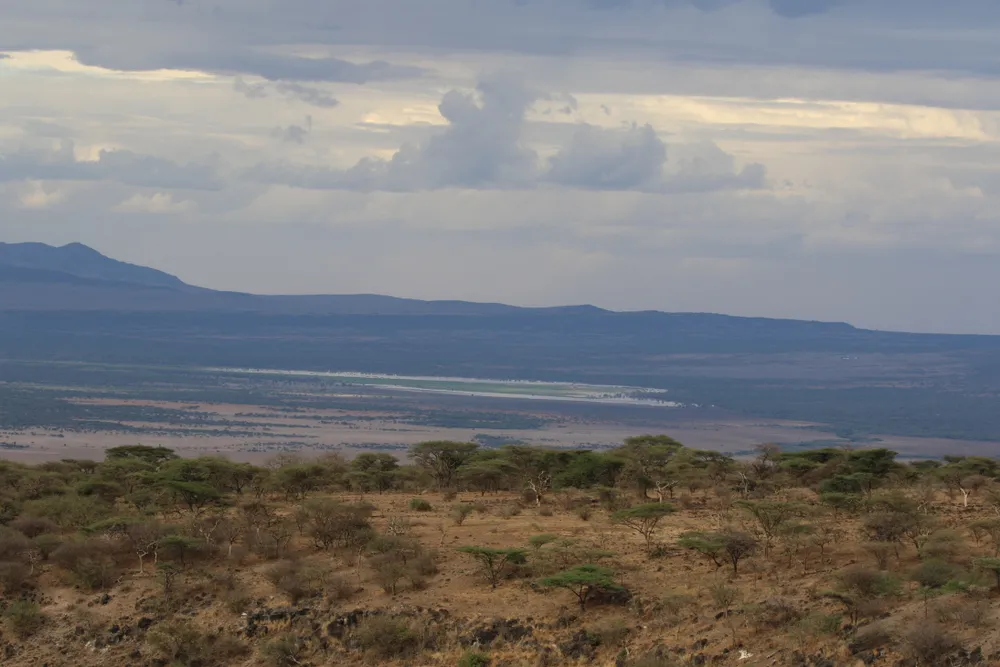
Serengeti National Park
- On safari you may see them up in the trees during the hot afternoons, looking for shade.
- Best time: the dry season, June to October, is best for general game viewing.
Why lions climb trees
No one is certain why they do it. The likeliest reasons are to escape biting insects and the heat on the ground, and to get a better view of prey moving across the plains. In other respects these are normal lions.
How they live
Hunting
Tree-climbing lions hunt on the ground like any others, working in twos and threes to get close before rushing prey such as antelope, zebra and wildebeest.
Prides
They live in prides of related females, their cubs and a few resident males. The lionesses do most of the hunting and hold the territory; the males defend the pride. Within it, interactions range from cubs play-fighting to serious disputes over territory.
Safari tips
Choosing a guide
A good guide makes the difference. Ours know the country and the animals, and shape each drive around what you want to see, with safety first.
What to pack
- Comfortable clothing
- Sturdy footwear
- Binoculars and a camera with a zoom lens
- Power bank and chargers
- Sun protection (sunscreen, lip balm, sunglasses)
- Insect repellent and a basic first-aid kit
- Reusable water bottle
- Lightweight backpack
Safety
Follow your guide’s instructions, stay in the vehicle unless told otherwise, and keep a respectful distance. That keeps the trip safe and enjoyable.
Other wildlife nearby
These same areas hold plenty else: hyena, leopard and a range of other mammals, along with rich birdlife. There is far more to see than the lions alone.
Tree-climbing lions are one of the more unusual sights on an African safari. Pick the right park and season, go with a good guide, and you have a strong chance of seeing them.
Queen Elizabeth National Park